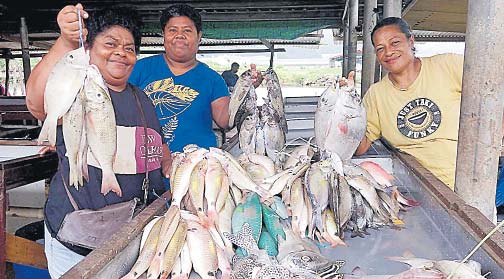
In a new development in the case of the Sudanese family poisoning, the Sheikh Zayed Prosecution announced its decision to release the fish shop owner and the chef accused in the incident. This decision came after the completion of investigations that showed there was insufficient evidence to convict the accused, raising questions about the safety of procedures followed in such cases.
The details of the incident date back to last week when a Sudanese family suffered from poisoning after consuming a meal from one of the specialized fish shops. Family members were transported to the hospital for treatment, causing panic in the local community, especially in light of the recent recurrence of food poisoning incidents.
Details of the Incident
After receiving a report from the Sudanese family indicating that they had been poisoned, the relevant authorities conducted the necessary tests on the food consumed. The results revealed the presence of toxic substances in the meal, prompting the prosecution to open an investigation into the incident. As the investigations progressed, the shop owner and chef were summoned for questioning.
Despite societal pressures, the prosecution decided to release the accused, as the investigations did not provide conclusive evidence against them. This decision sparked mixed reactions among citizens, with some considering it a reflection of the judicial system's weakness in dealing with food poisoning cases.
Context and Background
Food poisoning cases are considered sensitive issues in Egyptian society, as similar incidents have recurred in recent years. These incidents have raised significant concerns among citizens about the safety of food available in markets and restaurants. In this context, civil society organizations have called for stricter monitoring of food establishments to ensure consumer safety.
It is worth noting that food poisoning can have serious health implications, especially for vulnerable groups such as children and the elderly. Therefore, addressing this issue requires a concerted effort between government entities and civil society to ensure food safety.
Impact and Consequences
The prosecution's decision to release the accused may affect public trust in the judicial system, as many feel that justice has not been served in this case. Additionally, this decision may encourage some shops to compromise on food safety standards, increasing the risk of food poisoning in the future.
On the other hand, this incident may lead to increased awareness among consumers regarding the importance of choosing reliable places to eat, thereby enhancing the culture of food safety in society.
Impact on the Arab Region
Food poisoning issues are a common problem in many Arab countries, where incidents of poisoning are on the rise due to weak food monitoring. Therefore, addressing this issue in Egypt could serve as a model for other Arab countries on how to handle food safety matters.
In conclusion, hope remains for improving food safety standards in Egypt and other Arab countries to ensure the protection of citizens' health and prevent future poisoning incidents.