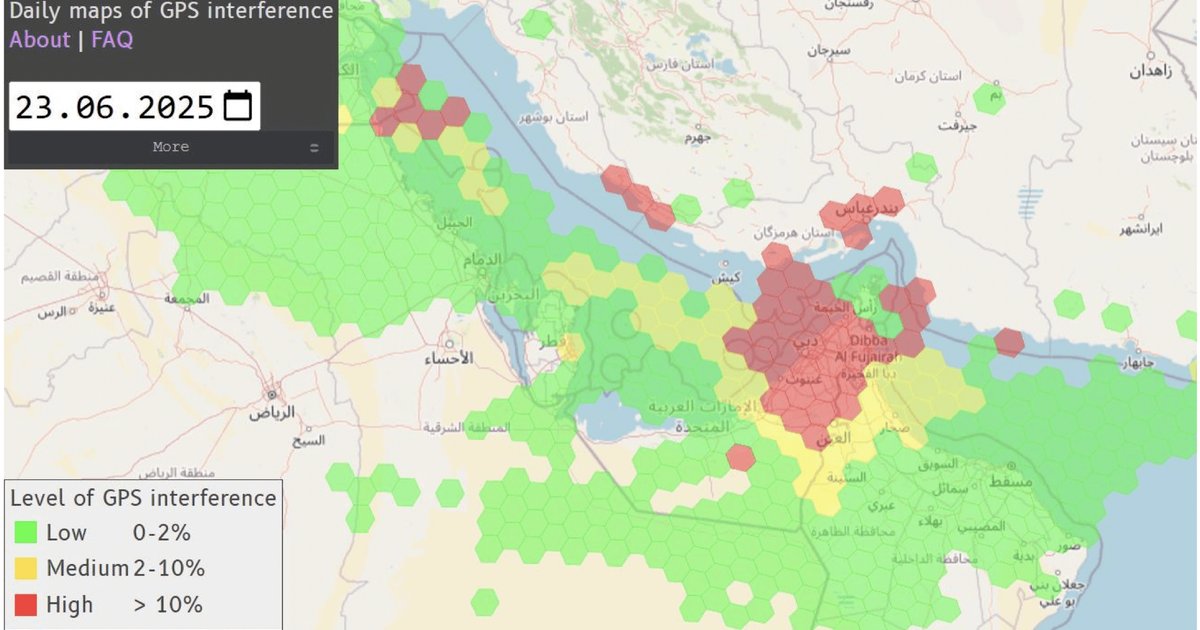
Multiple sources have announced the renewal of the ceasefire in the Hormuz region, raising questions about its impact on regional conditions. This announcement comes at a sensitive time that requires stability in the area, where international relations are experiencing increasing tensions.
The Hormuz region is considered one of the most important maritime corridors in the world, through which approximately 20% of the world's total oil passes. The ceasefire comes at a time when concerns are rising about escalating conflicts in the region, especially amid tensions between major powers.
Details of the Event
The ceasefire was announced following intensive negotiations between the concerned parties, leading to an agreement aimed at reducing military tensions. Negotiators indicated that this step is essential to ensure the safety of maritime navigation and protect the economic interests of the involved countries.
The ceasefire includes a commitment from the parties not to engage in any hostile actions, allowing room for diplomacy to intervene and resolve existing disputes. This step has been welcomed by the international community, which considers stability in Hormuz vital for global security.
Background & Context
Historically, the Hormuz region has witnessed numerous armed conflicts, as it has been the focus of major powers due to its strategic importance. In recent years, tensions have escalated between Iran and Western countries, leading to increased fears of a military conflict in the region.
The current ceasefire comes at a time when international pressure on Iran to comply with nuclear agreements is increasing, which may affect its position in negotiations. Additionally, the situation in Iraq and Syria adds further complexity to the conditions in the region.
Impact & Consequences
The renewal of the ceasefire in the Hormuz region may contribute to alleviating military tensions, but at the same time, it could open the door for more diplomatic negotiations. This step is expected to influence global oil prices, as any escalation in the region could lead to a significant increase in prices.
Moreover, the ceasefire may strengthen the position of some countries seeking to achieve stability in the region, potentially leading to new alliances or a reassessment of relations among major powers. If the ceasefire continues, it could contribute to improving the economic conditions in the involved countries.
Regional Significance
The Hormuz region is a vital gateway for Arab countries, through which large quantities of oil and gas pass. Any military escalation in the region could directly affect the economies of these countries, making the current ceasefire crucial for maintaining regional stability.
Furthermore, stability in Hormuz may enhance cooperation among Arab countries in the fields of energy and security, potentially opening new avenues for regional collaboration. Ultimately, the ceasefire represents an opportunity for peace, but continuous efforts are required to ensure its sustainability.