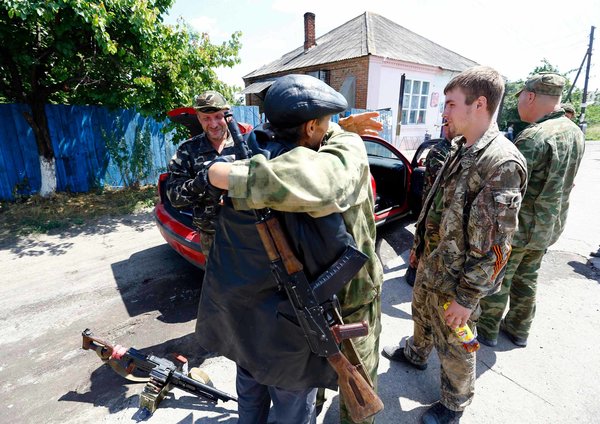
Clashes have renewed in Ukraine, with reports of violent confrontations between Ukrainian forces and Russian-backed separatists in the east of the country. This comes at a sensitive time, as fears of a larger escalation in the ongoing conflict, which has persisted for years, are increasing. The recent clashes indicate a rise in military tensions, raising alarms within the international community regarding the stability of the region.
These events coincide with official statements from both sides, where the Ukrainian government has reaffirmed its determination to regain control over areas held by separatist forces. In contrast, Russia has expressed its continued support for the separatists, complicating the situation further. These dynamics suggest that the conflict may enter a new phase of escalation, especially with winter approaching.
Details of the Recent Clashes
In recent hours, reports have indicated mutual shelling between Ukrainian forces and separatists in areas such as Donetsk and Luhansk, where heavy weaponry has been utilized. This escalation has resulted in a number of casualties, exacerbating the suffering of civilians in the region. The Ukrainian government has confirmed that it will continue its military operations until full stability is achieved.
On the other hand, images circulating on social media have shown widespread destruction in the affected areas, reflecting the scale of the humanitarian suffering resulting from the conflict. Some observers have noted that these clashes could be a precursor to larger military actions by Russia, particularly with the increasing military buildup along the border.
Background & Context
The history of the conflict in Ukraine dates back to 2014, when Russia annexed the Crimean Peninsula, leading to the outbreak of war in eastern Ukraine between government forces and Moscow-backed separatists. Since then, the region has seen numerous peace attempts, most of which have failed. The current situation reflects the continuation of this complex conflict, which involves many political and economic factors.
Over the years, many countries and international organizations have attempted to mediate the conflict, but these efforts have not yielded tangible results. The ongoing clashes reflect the political instability in the region and heighten concerns about the implications of the conflict for European security.
Impact & Consequences
The escalation of clashes in Ukraine could lead to serious repercussions at both regional and international levels. These events are likely to result in increased Western sanctions against Russia, which could significantly impact the Russian economy. Furthermore, the continuation of the conflict may create a new humanitarian crisis, as civilians suffer from the consequences of war.
Moreover, these events may affect relations between Russia and Western countries, intensifying tensions. Should the escalation persist, European nations may find themselves in a difficult position, needing to make decisions on how to address the volatile situation.
Regional Significance
For the Arab region, the conflict in Ukraine may have indirect effects on security and stability. Increased tensions in Europe could impact energy prices, which is a significant concern for oil-producing Arab nations. Additionally, any escalation in the conflict could lead to an increased flow of refugees, placing additional pressure on neighboring countries.
In conclusion, the situation in Ukraine remains a matter of international concern, as the global community must work diligently to find lasting solutions to the conflict and avoid further escalation that could lead to dire consequences.