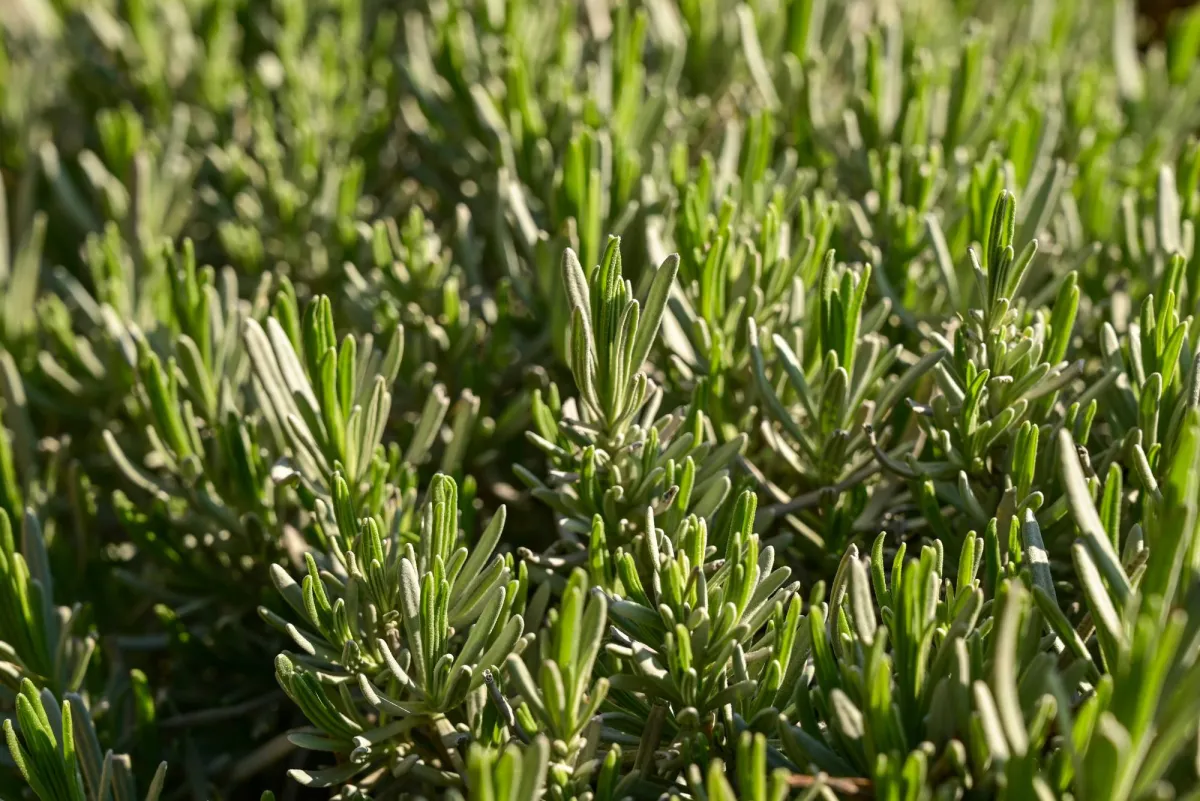
Research shows that reducing salt consumption and replacing it with herbs is a simple yet effective step in lowering blood pressure. Sodium is directly linked to hypertension, and when salt is reduced in food, the body begins to eliminate excess fluids, which eases pressure on arterial walls and improves circulation, according to the medical site "Verywell Health."
Consuming high amounts of sodium leads to fluid retention in the body, increasing blood volume and raising pressure within blood vessels. When sodium is reduced, the kidneys work to eliminate these fluids, contributing to lower blood pressure within a few days. Studies indicate that reducing salt can lower systolic pressure by about 4 to 5 points within a week, and the decrease can reach around 8 points within a month.
Details of the Findings
The role of herbs extends beyond flavor compensation; some types contain beneficial health properties. For instance, basil, rosemary, and garlic contain compounds that help dilate blood vessels and improve blood flow. Other herbs such as thyme, coriander, ginger, and turmeric contribute to reducing inflammation and enhancing arterial flexibility, positively impacting blood pressure.
Despite their benefits, herbs alone cannot be relied upon to treat hypertension. A healthy lifestyle is required, which includes a balanced diet that reduces fats and processed foods, regular physical activity, and limiting smoking and alcohol consumption.
Background & Context
Many people consume sodium levels that far exceed health recommendations. Research suggests that reducing sodium by 1000 milligrams daily may lower blood pressure by about 3 to 5 points, while a reduction of 2000 milligrams yields better results. Therefore, it is advisable to rely on herbs as a healthy and sustainable alternative to salt.
Many are aware of the basic rules of healthy nutrition, such as increasing vegetable intake, reducing added sugars and sodium, and relying on legumes and whole grains. However, our food choices are not determined by knowledge alone; they are influenced by multiple factors, including psychological state and stress levels.
Impact & Consequences
A recent study reveals that a simple daily habit could significantly improve the quality of our diet: spending more time in nature. Activities such as gardening, walking in parks, or even caring for houseplants represent different forms of interaction with the natural environment and may be associated with improved dietary habits and healthier choices.
Researchers from Drexel University and Wake Forest University School of Medicine employed a comprehensive research methodology that combined quantitative and qualitative data to create a holistic view of the relationship between nature interaction and diet quality. The results showed a clear statistically significant relationship between the extent and frequency of nature interaction and the quality of the diet.
Regional Significance
In the Arab region, where rates of hypertension are noticeably increasing, these recommendations can be beneficial in improving public health. Raising awareness about the importance of reducing salt and replacing it with herbs can help mitigate health risks associated with high blood pressure, thereby enhancing quality of life.
In conclusion, replacing salt with herbs is a simple step that can make a significant difference in public health, prompting individuals to adopt healthy and balanced dietary habits.