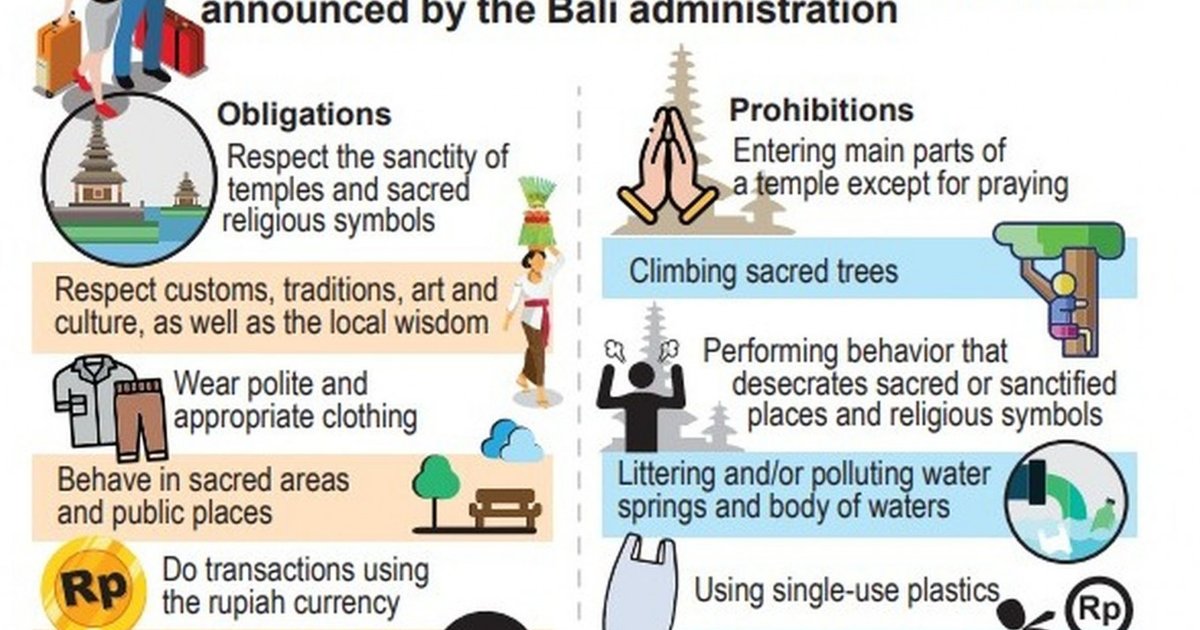
The Indonesian Tourism Industry Association (GIPI) in Bali has unveiled a new plan aimed at restructuring tourism management on the island, starting the visitor experience from the moment they arrive at Bali Airport. The association's president, Ida Bagus Agung Partha Adnyana, emphasized that the goal is to provide an integrated experience for visitors, encompassing all aspects of their journey from arrival at the airport to their departure.
Agung explained that tourism in Bali is not just about the number of visitors, but about offering a unique experience that makes them want to return. He noted that visitors are looking for a comfortable and safe travel experience, and any shortcomings in providing these services could lead to them not returning.
Details of the Initiative
The new plan seeks to manage the visitor experience comprehensively, focusing on several aspects, including the quality of services provided, and ensuring safety and comfort for visitors during their stay. Agung also pointed out that tourism in Bali should go beyond mere numbers, and the focus should be on how to enhance the visitor experience.
The plan is set to include dividing Bali's destinations into different regions, such as quiet areas, cultural zones, entertainment spots, and adventure locations, which will help distribute visitors and reduce congestion. Efforts will also be made to improve the cleanliness of tourist destinations, with the goal of ensuring that visitors do not see any waste during their visit.
Background & Context
Bali is considered one of the most popular tourist destinations in Indonesia, attracting millions of visitors annually. However, the island has faced significant challenges related to congestion and waste, which have impacted the visitor experience. Thus, this plan comes as a response to these challenges, aiming to improve the quality of tourism and ensure its sustainability in the future.
Historically, Bali has heavily relied on tourism as one of its main sources of income, but with the increasing number of visitors, it has become essential to rethink how to manage this industry to ensure its sustainability. Studies have shown that visitors prefer destinations that offer comfortable and safe experiences.
Impact & Consequences
If this plan succeeds, it could significantly enhance the visitor experience, potentially increasing the number of return visitors to Bali. Additionally, improving service quality and cleanliness could contribute to enhancing Bali's reputation as a distinguished tourist destination. This is expected to lead to increased tourism revenues, which would support the local economy.
However, implementing this plan requires cooperation among all stakeholders, including local government, tourism companies, and local communities. There must be joint efforts to ensure that the desired goals are achieved.
Regional Significance
Bali's experience in restructuring tourism could serve as a model for many tourist destinations in the Arab region. With the increasing number of Arab tourists traveling to destinations like Dubai and Marrakech, it becomes essential to enhance the visitor experience to ensure their return. The lessons learned from Bali can assist in developing more effective tourism strategies in Arab countries.
In conclusion, the GIPI plan in Bali represents an important step towards improving the tourism experience, reflecting the significance of focusing on service quality and visitor experience in the global tourism industry.