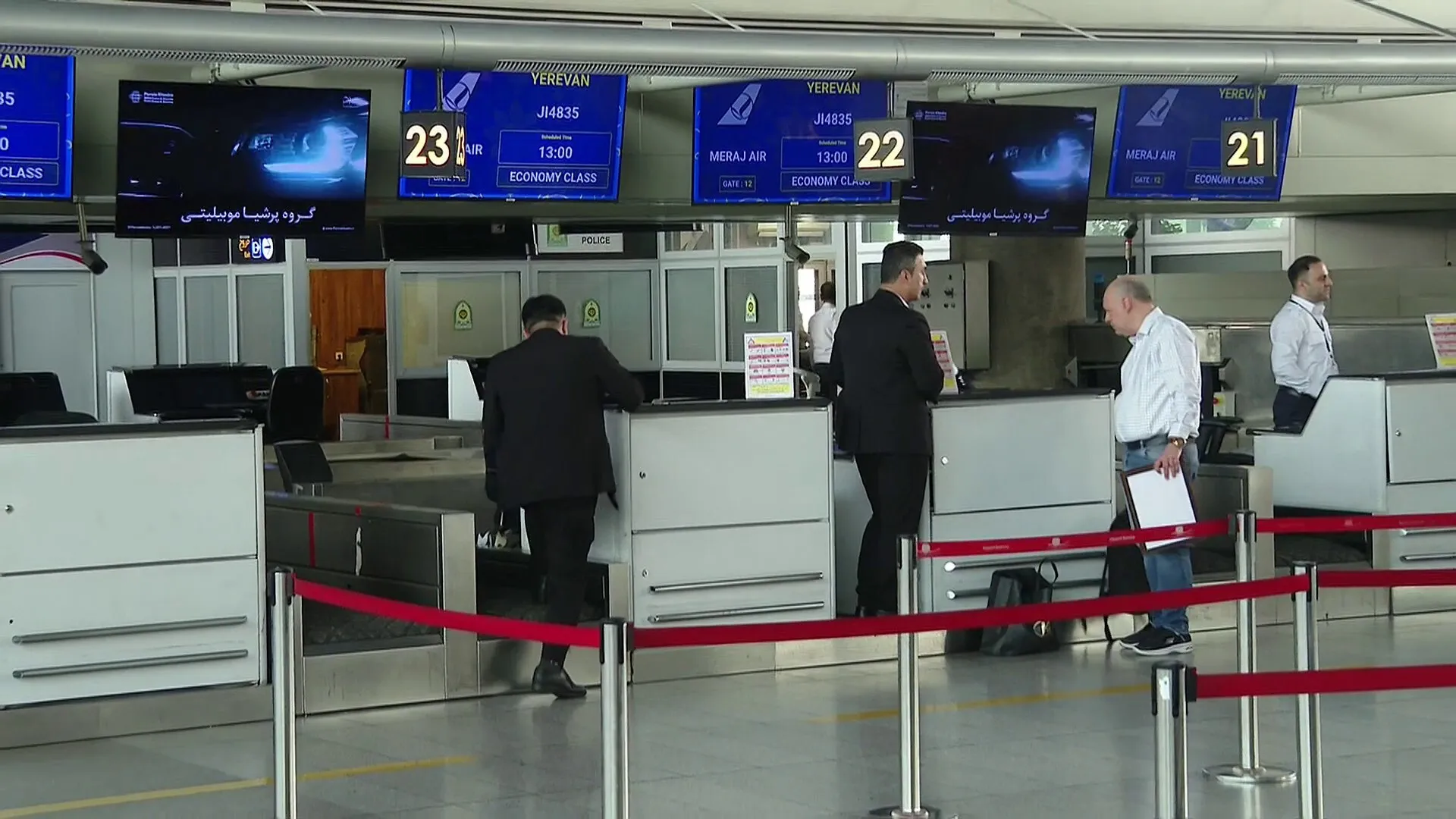
Iranian airlines have resumed their flights at Imam Khomeini International Airport, the largest in the country, after a suspension of about 58 days due to the war launched by the United States and Israel against Iran on February 28.
Air traffic gradually began last Saturday, with flights covering regional and international destinations such as Medina, Istanbul, Muscat, China, and Russia. The airport director confirmed to Al Jazeera that they are ready to welcome passengers and airlines, noting that current operations are limited to local companies.
Details of the Event
The management of Imam Khomeini International Airport reported that ongoing discussions are being held with foreign airlines to encourage them to return, with expectations that these companies will start operating at the airport soon. Al Jazeera's correspondent also noted that flights have commenced at 10 to 11 airports, some of which handle domestic flights while others are international.
The Iranian civil aviation sector has been significantly affected during the war, leading to a near-total suspension of international flights and the rerouting of global airlines to alternative paths. According to the Iranian Civil Aviation Organization, 20 aircraft have been destroyed and are no longer usable, while the infrastructure at airports remains operational at approximately 95%.
Background & Context
This move comes at a sensitive time for Iran, as the government seeks to restore economic activity following a period of political and military tensions. Iran began gradually reopening its airspace on the 19th of this month in four phases, starting with transit flights, followed by domestic flights, culminating in a full resumption of international airports.
The Iranian authorities aim to minimize the losses incurred by the sector, asserting that 130 civil aircraft are still ready to operate as airports resume services. However, foreign companies remain hesitant to return to Iranian airports amid the uncertainty surrounding the political and negotiating landscape between Tehran and Washington.
Impact & Consequences
The resumption of flights is seen as a positive step towards restoring economic activity in Iran, as many sectors rely heavily on air travel. Additionally, the resumption of flights could enhance tourism and trade, contributing to an overall improvement in the economic situation.
Nevertheless, challenges persist, as the security and political situation may affect foreign companies' ability to return to the Iranian market. Restoring confidence in Iranian airspace will require significant efforts from the Iranian government to persuade international companies to come back.
Regional Significance
The return of flights in Iran holds particular importance for the Arab region, as it may influence travel and trade dynamics between countries. The resumption of air travel could strengthen economic ties between Iran and Arab nations, especially those with close trade relations.
In conclusion, all eyes are on how the situation in Iran will evolve and its impact on air travel and tourism in the region. The resumption of flights represents a new beginning, but political and economic challenges remain.