Retail sales in the United States recorded an increase of 0.4% in February, indicating an improvement in consumer spending, which is a positive sign before the escalation of potential military tensions in Iran. This rise comes at a sensitive time, as economists closely monitor the impact of geopolitical crises on the U.S. economy.
According to data released by the U.S. Department of Commerce, this increase in sales reflects a rise in demand for essential goods, such as food and clothing, suggesting that consumers remain optimistic despite global economic challenges.
Details of the Event
The figures show that retail sales experienced a significant increase, with sales of automobiles and vehicles rising by 1.2%, which greatly contributed to the overall numbers. Sales at department stores and restaurants also saw an uptick, reflecting consumers' willingness to spend on experiences and services.
However, future forecasts may be uncertain, as many analysts indicate that potential military escalation in Iran could lead to rising oil prices, which may negatively affect consumers' purchasing power. Additionally, any disruptions in supply chains could impact the availability of goods in the market.
Background & Context
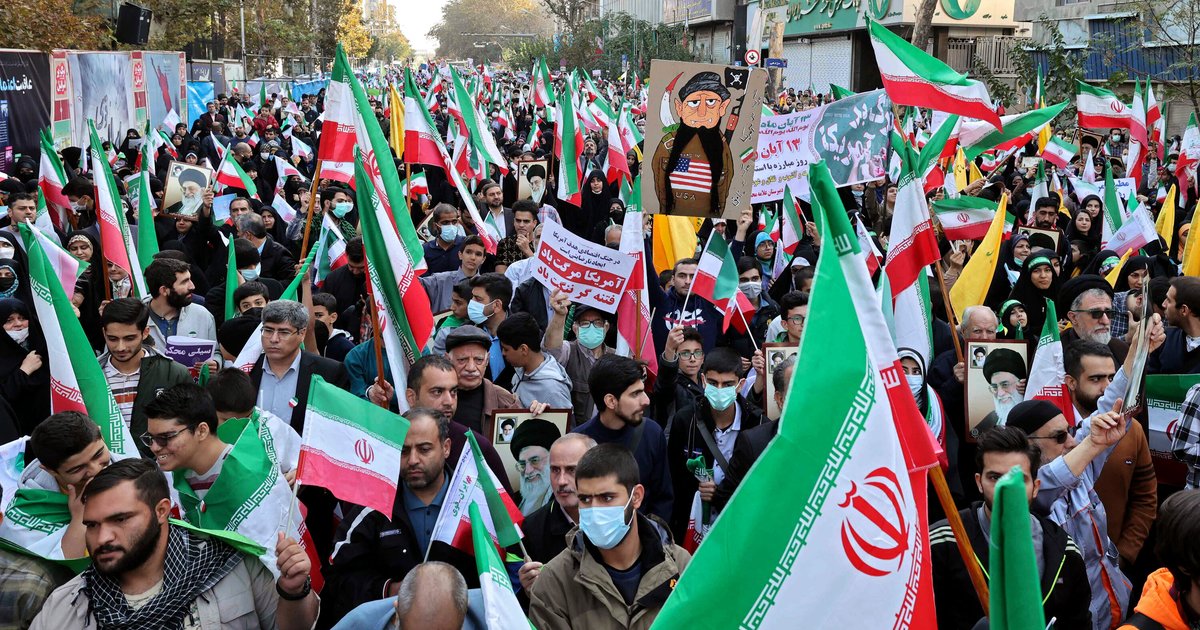
The region has been experiencing increasing tensions for some time, with fears of a military conflict in Iran that could affect regional and global stability. In recent years, Iran has been at the center of numerous political and economic crises, making it a focal point in international politics.
Historically, the United States and Iran have been in a state of continuous tension, especially following the U.S. withdrawal from the nuclear agreement in 2018. These tensions could lead to negative impacts on the U.S. economy, particularly given its significant reliance on Iranian oil in the global market.
Impact & Consequences
If tensions continue to escalate, their impact on the U.S. economy could be substantial. Any increase in oil prices is expected to raise transportation and production costs, which may negatively reflect on prices in stores. Furthermore, any disruptions in supply chains could lead to shortages of certain goods, affecting consumer choices.
Moreover, a decline in confidence in the economy could lead to reduced consumer spending, which is considered a key driver of economic growth. Therefore, any military escalation could result in a slowdown in U.S. economic growth.
Regional Significance
The Arab region is part of the potential impacts of tensions in Iran. Rising oil prices could affect the economies of oil-producing Arab countries, such as Saudi Arabia and Iraq, which may reflect on their public budgets. Additionally, any military conflict could lead to refugee flows and increased security tensions in the region.
Ultimately, it remains to be seen how events will unfold in the coming days and weeks. The stability of the markets largely depends on how the involved parties manage these tensions and their ability to avoid military escalation.