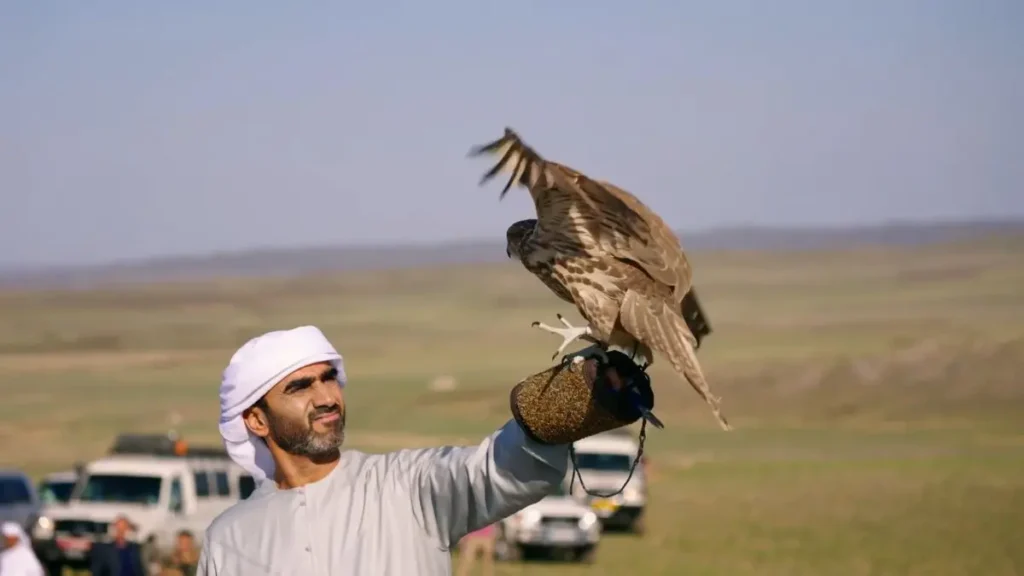
The 'Haddad' program has significantly contributed to returning falcons to their natural environments, aiding in the preservation of their species from extinction. The program, which aims to enhance environmental awareness, represents an important step in biodiversity conservation efforts in the region.
Falcons are considered a symbol of heritage and culture in many Arab countries, holding a special place in people's hearts. In recent years, there has been a noticeable decline in falcon populations due to overhunting and habitat loss. Therefore, the 'Haddad' program represents a beacon of hope for enthusiasts of these birds and for the environment in general.
Event Details
Al-Thubaiti explained that the program includes a series of activities and efforts to rehabilitate falcons, focusing on providing suitable environments for them. The falcons are also trained to return to their natural habitats after a period of care. The program relies on collaboration with a group of experts and researchers in the field of wildlife.
The activities also include organizing awareness campaigns aimed at spreading knowledge about the importance of preserving falcons and their environments. Many events have been implemented with wide participation from the local community, reflecting people's interest in environmental protection issues.
Background & Context
Historically, falcons have been used in hunting, making them an integral part of Arab heritage. However, environmental changes and urban expansion have led to the degradation of their habitats. Therefore, programs like 'Haddad' are essential for preserving this heritage and providing safe environments for falcons.
Falcons are raptors that play an important role in the ecosystem, helping to control prey populations. By preserving these birds, we can ensure the sustainability of biodiversity in the region.
Impact & Consequences
The 'Haddad' program serves as a model in wildlife conservation, demonstrating how collaboration between the community and stakeholders can lead to positive outcomes. The success of the program may encourage the launch of similar initiatives in other areas of wildlife.
Furthermore, returning falcons to their natural habitats can contribute to enhancing eco-tourism, benefiting the local economy. Falcons attract tourists interested in nature and wildlife, underscoring the importance of their conservation.
Regional Significance
Efforts to conserve falcons are part of broader initiatives to preserve biodiversity in the Arab world. Amid increasing environmental challenges, such initiatives represent a step towards achieving environmental sustainability.
The success of the 'Haddad' program could inspire other countries in the region to adopt similar strategies, contributing to wildlife protection and enhancing environmental awareness among future generations.