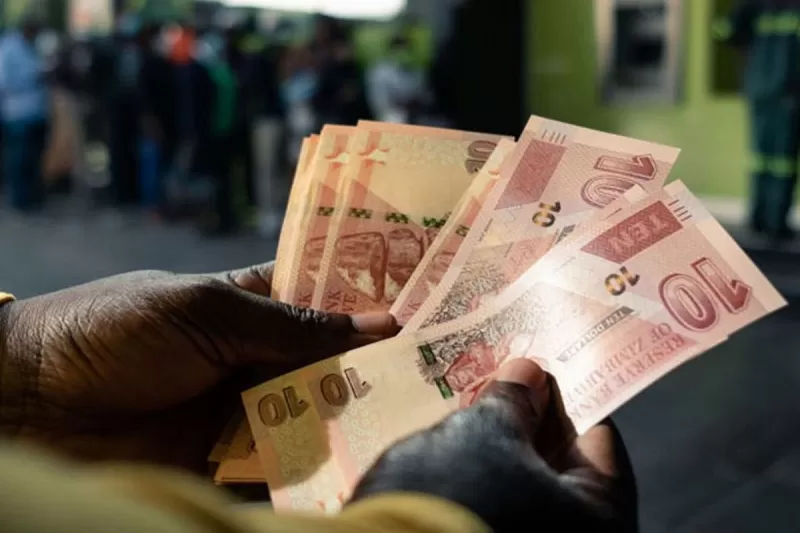
New economic forecasts indicate that 10 African countries will top the list of nations with the highest inflation rates by 2026. This trend arises at a time when many countries are suffering from global economic disruptions that directly affect the stability of commodity and service prices.
These nations include a range of economies facing multiple challenges, including political crises, corruption, and resource shortages, complicating the economic situation. These factors are expected to exacerbate economic conditions, negatively impacting the lives of citizens.
Event Details
Reports predict that inflation rates in some of these countries will exceed record levels, placing additional pressure on governments to control prices. Under these circumstances, concerns are growing regarding the ability of governments to provide basic goods to their citizens, which may lead to worsening social crises.
Inflation is considered one of the most prominent economic challenges facing African nations, as it erodes citizens' purchasing power and increases poverty rates. Studies have shown that countries experiencing high inflation rates often face difficulties in attracting foreign investments.
Background & Context
Historically, many African countries have faced recurring economic crises, with high inflation rates being part of these crises. For instance, some countries like Zimbabwe and Namibia have experienced periods of hyperinflation, affecting their economic and social stability.
These situations are also influenced by climate changes affecting agricultural production, leading to food shortages and rising prices. Additionally, political crises and armed conflicts play a significant role in exacerbating economic conditions in these nations.
Impact & Consequences
High inflation rates are expected to increase social tensions in the affected countries. Citizens are struggling with rising living costs, which may lead to protests and demonstrations against governments. In this context, governments must take swift and effective measures to mitigate the impact of inflation on citizens.
Moreover, these conditions may affect trade relations between African countries and others, as foreign investments may decline due to economic instability. Therefore, effective strategies are required to address these challenges.
Regional Significance
Inflation rates in African countries are of particular importance to the Arab region, as many Arab nations have trade ties with African countries. Consequently, any negative impacts on the African economy could reflect on Arab markets.
Furthermore, economic crises in African nations may lead to increased migration to Arab countries, placing additional pressures on these nations in areas such as education and health.
In conclusion, the current situation in African countries requires close monitoring by the international community, as high inflation could have widespread implications affecting regional stability.