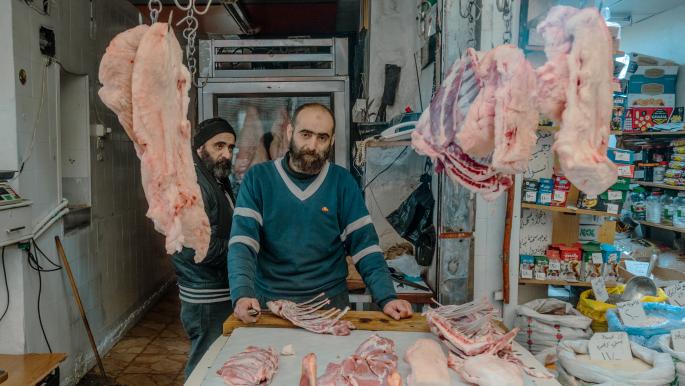
Red meat prices in Damascus continue to rise after the end of Eid al-Fitr, despite expectations that prices would decrease with the seasonal drop in demand. This unexpected increase raises concerns among consumers, who find themselves facing new challenges in securing their basic food needs.
Reports indicate that prices have surpassed record levels, making access to red meat nearly a luxury for many families. At a time when prices were expected to decline, the deteriorating economic situation in the country seems to be exacerbating the crisis.
Details of the Situation
In recent days, markets in Damascus have observed a noticeable increase in red meat prices, with the price per kilogram reaching levels not seen in years. This rise came after a period of high demand during Eid al-Fitr, when citizens traditionally purchase meat as part of the celebration.
However, the end of the holiday was supposed to lead to a decrease in prices, yet the opposite has occurred. Meat traders justify this increase by citing rising production and transportation costs, along with a decline in citizens' purchasing power.
Background & Context
Syria has been living under the weight of a suffocating economic crisis for years, worsened by ongoing conflict and economic sanctions. These conditions have led to a decline in living standards and an increase in poverty rates, making access to basic food items a significant challenge for many families.
Historically, red meat has been considered a staple in the Syrian diet, but with rising prices, many are forced to seek cheaper alternatives. This shift in consumption patterns reflects the economic challenges facing the country.
Impact & Consequences
The rise in meat prices has negative implications for public health, as it may lead to a deficiency in essential proteins for many families. Additionally, this situation could increase social pressures, as citizens feel frustrated by their inability to secure their basic needs.
Moreover, the continued rise in prices may exacerbate economic and social crises, increasing public discontent and affecting stability in the country. This could potentially lead to popular protests or social movements expressing citizens' grievances.
Regional Significance
The meat crisis in Damascus is part of a broader crisis affecting many Arab countries, where food markets are experiencing similar price hikes. This situation reflects the economic challenges facing the region as a whole, including armed conflicts, political crises, and economic sanctions.
The rising prices of essential food items in Arab countries could lead to worsening poverty and increased unemployment rates, threatening social stability in the region. Under these circumstances, it becomes imperative for governments to take urgent measures to alleviate the crisis and improve living conditions for citizens.
In conclusion, the rise in meat prices in Damascus is not just a local crisis but an indicator of the economic challenges facing the Arab region. The current situation requires a swift response from governments and the international community to ensure food security and social stability.