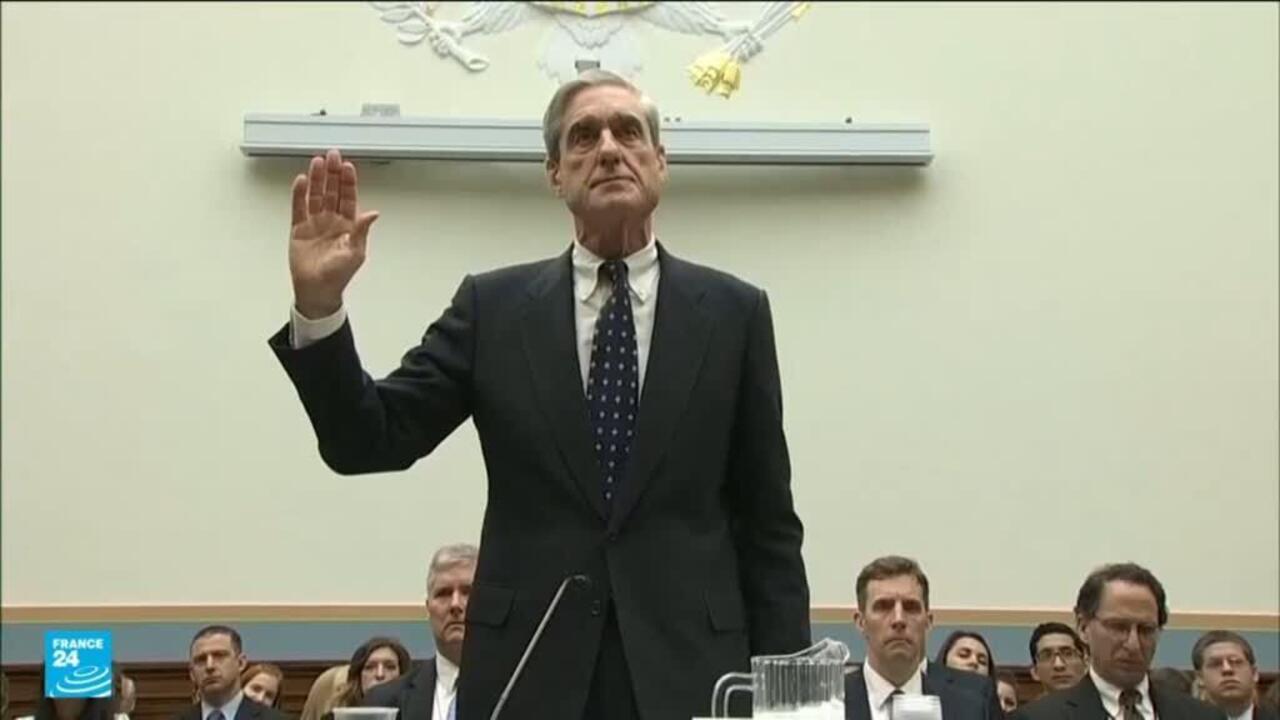
Robert Mueller, the former director of the Federal Bureau of Investigation (FBI), passed away yesterday at the age of 81, as reported by the New York Times based on a statement from his family, which did not disclose the causes of his death. Mueller was renowned for overseeing high-profile investigations into allegations of Russian interference in the 2016 U.S. presidential elections, a central issue in American political discourse for several years.
During his tenure at the FBI, Mueller was responsible for several important investigations, but the probe into Trump's relationship with Russia was the most controversial. The initial results of the investigation reinforced claims of Russian interference in the elections, leading to numerous discussions and investigations from Congress and legal bodies. The findings of Mueller's investigation sparked extensive debate among supporters and opponents of the administration at the time, with some viewing the report as evidence of collusion.
Some considered the results of Mueller's investigation as a dismantling of Trump's political strategies, which led Trump to declare on multiple occasions that he was a victim of a "witch hunt." Interestingly, many Americans view Mueller's investigations as giving rise to a more complex issue, further increasing political polarization in the country. This represents a significant challenge to national security, as matters related to Russian interference in U.S. elections have become a recurring topic in public debates.
Despite all the controversy surrounding the outcomes of his investigations and their impact on American politics, Mueller's passing will not merely signify an endpoint, but his influence may manifest in the future plans of Congress and various political parties. There are concerns that the news of his death could improve circumstances for Trump, who is known for his adherence to controversial political stances.
In addition to the political implications, Mueller's death may raise new questions about the FBI's ability to tackle impending security threats, whether domestic or foreign. On a broader level, the investigation into Russian interference serves as a lesson for many countries in the Arab region about the importance of political stability and defending sovereignty against external threats.
In the Arab context, issues of foreign intervention in the internal affairs of states are sensitive matters, and historical models have illustrated how foreign intervention can lead to instability. Arab countries must remain vigilant regarding these risks and work to enhance a robust political framework that helps address these challenges.
The capability of Arab regimes to protect their democracies, especially amid growing political climates in many countries, remains fundamental in safeguarding internal stability and preserving national sovereignty.