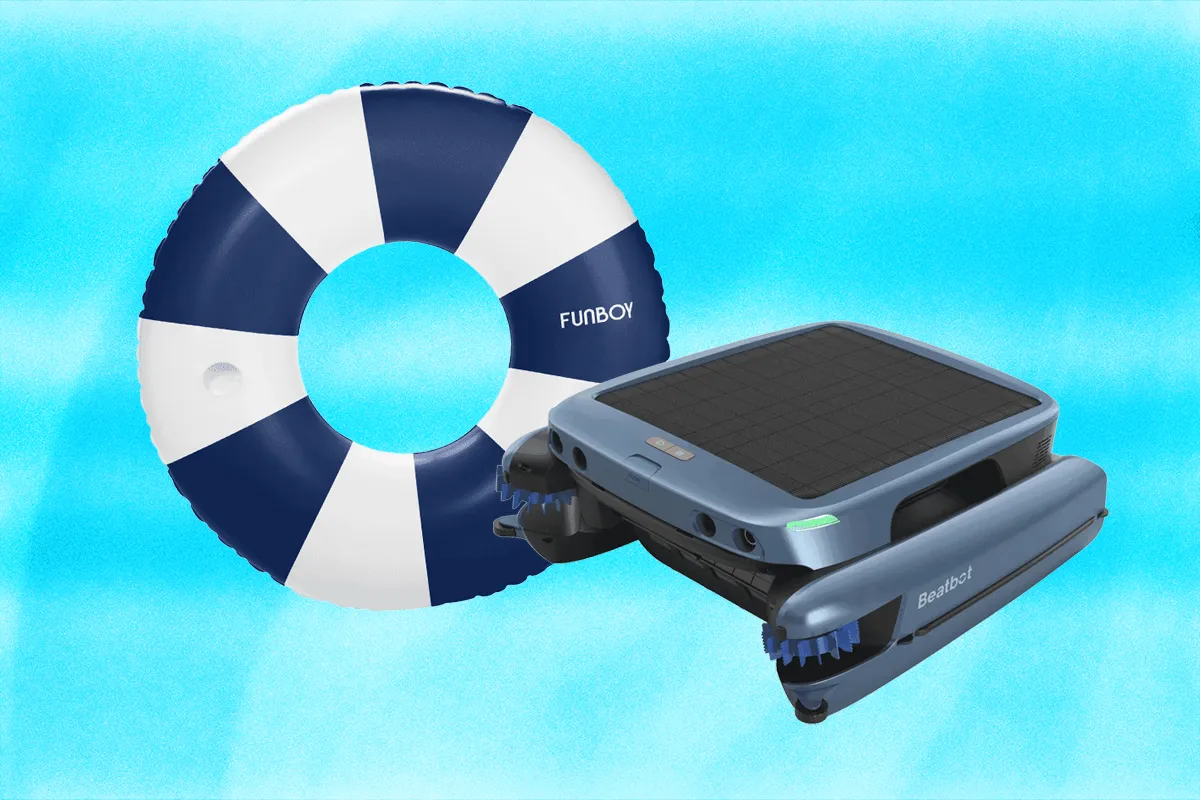
Modern technologies are fundamentally transforming how homeowners care for their swimming pools, with intelligent robots and internet-connected water sensors replacing the strenuous physical labor previously required to maintain pool cleanliness and chemical balance. This paradigm shift arrives at a crucial moment for the global tourism sector, as escalating flight costs, rising fuel prices, and economic uncertainties push increasing numbers of middle-class families toward extended domestic vacations rather than international travel, making home pool maintenance efficiency more critical than ever.
According to extensive field testing conducted by industry specialists and consumer technology experts, Beatbot devices have emerged as the leading autonomous robots dedicated to pool cleaning, distinguished by their revolutionary ability to operate on integrated solar power without requiring manual charging or electrical cord connections. These sophisticated units feature advanced intelligent sensors that automatically prevent collisions with pool walls and steps, alongside a robust battery life extending up to six hours of continuous underwater operation, and utilize proprietary artificial intelligence algorithms to detect debris, leaves, and obstacles with remarkable precision.
Product Details and Cutting-Edge Technologies
Meanwhile, Belgian company Iopool offers an advanced technical solution for comprehensive water quality monitoring through its compact floating EcO Start device, which continuously tracks water temperature, pH acidity levels, and free chlorine concentrations in real-time, delivering automatic data updates every 15 minutes directly to users' smartphone applications. Unlike traditional testing systems requiring constant manual intervention, battery replacements, and supply restocking, this innovative device employs maintenance-free solid-state technology that operates continuously with virtually zero upkeep requirements throughout the swimming season.
The innovation circle expands beyond maintenance to encompass the leisure and entertainment experience itself, with lifestyle companies like Funboy producing premium inflatable loungers and floating coolers equipped with integrated sun protection canopies, capable of holding up to six cold beverage cans while drifting gracefully on the water surface. Additionally, JBL Flip 7 waterproof speakers present an ideal audio solution for poolside entertainment, offering full IP67 water resistance rated for submersion up to depths of 5 feet for durations of 30 minutes, ensuring uninterrupted music playback during swimming sessions.
Historical and Economic Context
Residential swimming pools have not always featured such technical sophistication and automated convenience; over past decades, routine maintenance relied almost exclusively upon manual skimming nets, vacuum hoses connected to filtration systems, and traditional pH testing strips requiring visual color matching, demanding considerable daily time investment and physical effort from homeowners. However, with the rapid technological advancement in the Internet of Things, machine learning algorithms, and domestic robotics sectors over the past five years, pioneering companies began developing comprehensive automated solutions offering unprecedented convenience, precision, and operational efficiency for private pool owners.
This technological evolution occurs against a backdrop of significant global economic transformation, as recent industry reports indicate substantial year-over-year increases in international airline ticket prices and regional fuel costs, compelling budget-conscious families to seek alternatives to expensive external tourism and resort vacations. The concept of staycations has consequently emerged as a rapidly growing global phenomenon, wherein individuals strategically invest in upgrading their residential outdoor facilities rather than spending substantial disposable income on travel accommodations, effectively transforming private properties into personalized luxury retreats.
Lifestyle Impact and Sustainability
The significance of these emerging technologies extends far beyond mere personal convenience to encompass broader domains of environmental sustainability, resource conservation, and long-term economic efficiency for residential properties. Solar-powered robotic cleaners significantly reduce household electricity consumption compared to traditional pump-driven cleaning systems, while precise digital chemical monitoring systems prevent unnecessary water waste resulting from repeated pool draining and refilling cycles caused by algae outbreaks or chemical imbalances. Furthermore, the capability to monitor and maintain pool conditions remotely through intuitive smart applications grants property owners greater temporal flexibility and peace of mind in managing their leisure time and vacation schedules.
Moreover, market projections indicate substantial double-digit growth in the smart pool technology sector during the coming five years, opening new commercial horizons for innovative startups specializing in aquatic robotics, Internet of Things sensors, and automated water treatment systems. With the introduction of complementary entertainment devices like advanced Spyra water guns operating under high-pressure hydraulic systems, the integrated home entertainment ecosystem now effectively rivals external recreational facilities in terms of amusement value and user satisfaction.
Regional Opportunities and Applications
These advanced technologies acquire particular importance and relevance throughout the Arab region, where private swimming pools constitute an essential architectural element in luxury homes and desert villas due to the intensely hot climatic conditions prevailing throughout most of the calendar year. In Gulf Arab states specifically, where summer temperatures regularly exceed forty degrees Celsius, these automated devices can contribute significantly to water and energy conservation, representing a critical operational consideration in arid regions historically suffering from acute water resource scarcity and high desalination costs.
The widespread proliferation of such smart technologies also supports the emerging domestic tourism sector across Middle Eastern countries, where cultural preferences encourage hosting extended family gatherings and social entertainment in private residential settings rather than public venues. With these sophisticated maintenance technologies readily available, the home-based vacation experience transforms into a genuinely attractive alternative that successfully combines luxury amenities with operational efficiency and environmental responsibility.