Hezbollah has revealed that it carried out several rocket attacks aimed at Israeli soldiers close to the Lebanese-Israeli border. In a statement, the group indicated that its fighters targeted groups of Israeli soldiers at the "Al-Marj" site opposite the town of Markaba, in the "Jalal Al-Hamr" area south of Addais village, as well as in the area known as the Taybeh Project.
This military escalation comes at a sensitive time, with tensions in the region continuing to rise. This attack is the latest in a series of hostilities on both sides, as Israel reported multiple "explosions" in the center of the country, stating that air raid sirens were triggered following an Iranian rocket attack.
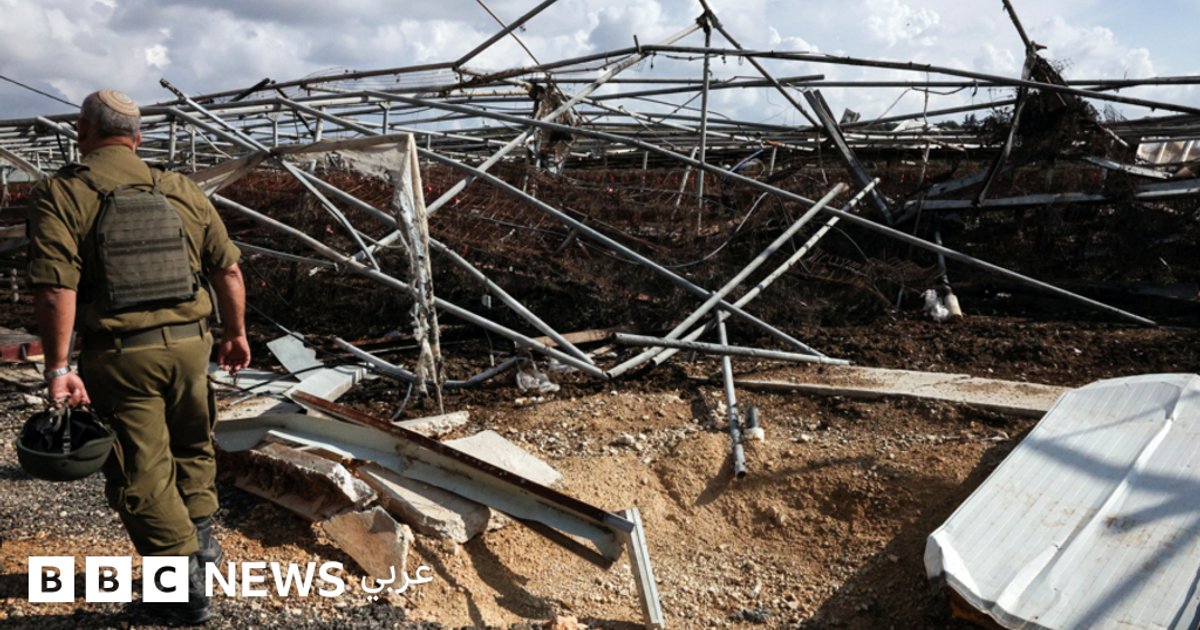
Following this, the Israeli channel "Kan" showed an image of what appeared to be a crater near a parking lot without accurately specifying the location, while the "Times of Israel" revealed, based on emergency services reports, that no injuries had been reported as a result of these incidents.
Historically, the region has witnessed repeated conflicts between Hezbollah and Israel. Hezbollah, which receives support from Iran, has engaged with Israeli forces since its inception in the 1980s. Part of the tensions can be traced back to the ongoing Arab-Israeli conflict, which has lasted for decades and continues to significantly affect the policies of regional powers.
The complexities in the political and military equation in the region are increasing, especially with the growing Iranian influence and its support for armed groups like Hezbollah. These factors have impacted Israeli defense strategies and intensified military operations against what it perceives as threats along its borders. Furthermore, military movements by both sides highlight the escalation in the cold war between resistance forces and the international community, potentially dragging the region into a cycle of violence and instability.
An analysis of current events suggests that mutual attacks may lead to increased tensions, necessitating urgent diplomatic moves from the international community. Israel relies heavily on accurate intelligence analyses aimed at enhancing its national security, while Hezbollah seeks to expand its influence and sway in the region, posing a significant challenge to stability in Lebanon and along the Israeli borders.
As major powers strive to seek peaceful solutions to end conflicts in the region, questions remain open regarding future security conditions and the implications of military escalation between Hezbollah and Israel. Both diplomatic and security pathways must be integrated as part of the enduring solutions to recurring crises.
Although no injuries have been reported so far, the escalation between the two parties is increasing anxiety among local populations on both sides of the border, raising fears of the potential outbreak of large-scale fighting that may lead to significant damage.
In conclusion, all involved parties must remain vigilant, as any miscalculation in military strategies could lead to dire consequences.