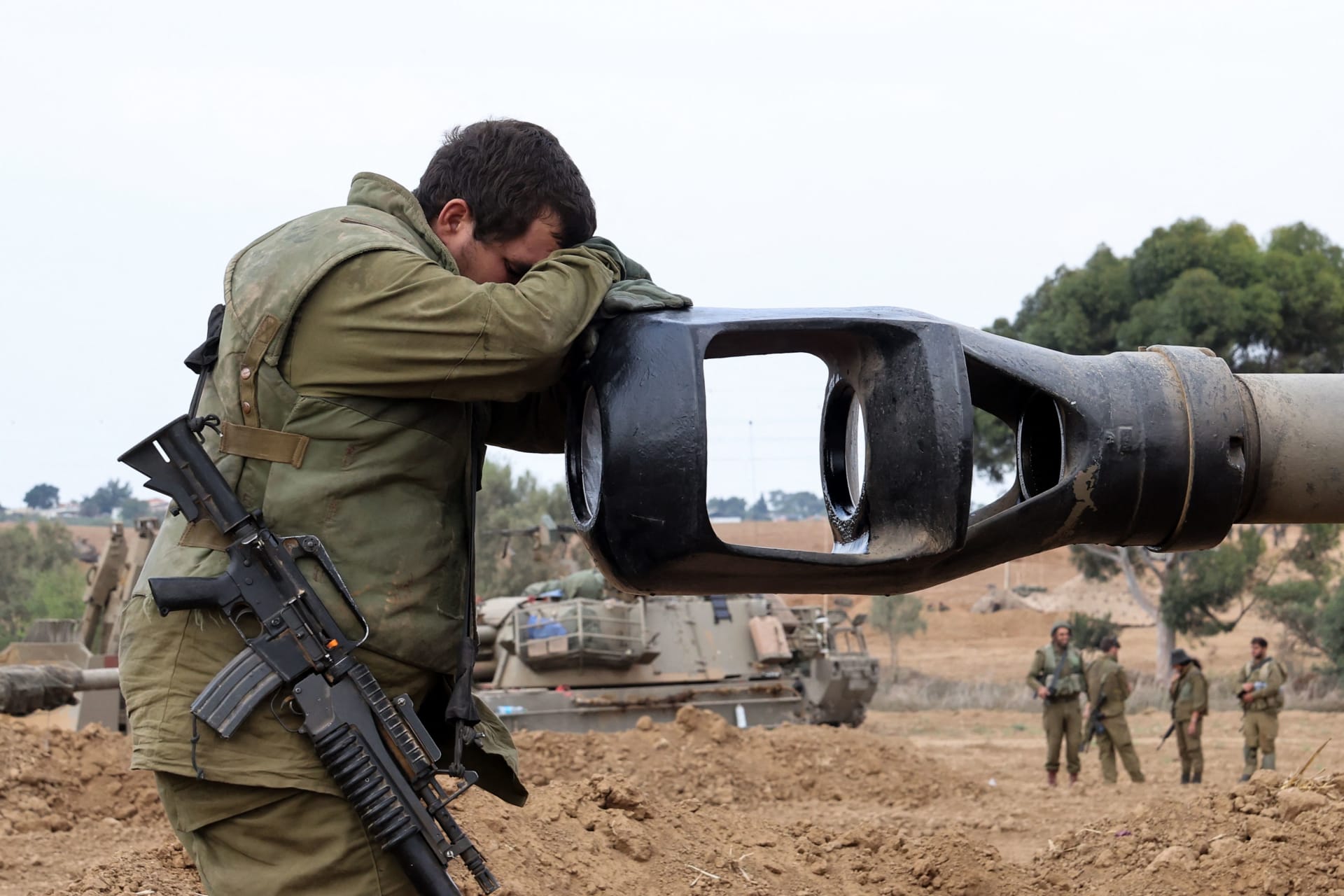
Rocket attacks on Israel persist, with the country experiencing missile strikes for the fifth time since Thursday morning. In this context, prominent Israeli researcher Danny Citrinowicz from the Institute for National Security Studies at Tel Aviv University confirmed that the current situation on the twenty-sixth day of the war with Iran has become more complex for Israel, warning of the implications this may have for the future.
Citrinowicz, regarded as an expert on Iranian affairs, pointed out that the current circumstances reflect new challenges facing Israel, as security risks increase with the ongoing conflict. His warning comes at a sensitive time, as rocket attacks from armed groups escalate, raising concerns about regional stability.
Details of the Incident
The rocket strikes on Israeli territory occur amid rising tensions between Iran and Israel, as both countries exchange accusations and hostilities continue. Reports indicate that these attacks are part of an Iranian strategy to pressure Israel, complicating the security landscape in the region.
At the same time, the Israeli military faces challenges in countering these attacks, as both internal and external pressures mount. Citrinowicz noted that any agreement reached in the future could be seen as a victory for Iran, further complicating the situation for Israel.
Background & Context
Historically, relations between Iran and Israel have been marked by increasing tensions, especially since the Iranian Revolution in 1979. Since then, Iran has been viewed as Israel's arch-enemy, as Tehran seeks to enhance its influence in the region by supporting armed groups such as Hezbollah and Hamas.
The current war against Iran is not new; it is part of a long-standing conflict between the two nations. Recent years have seen a rise in hostilities, exacerbating the security situation in the region. Additionally, tensions between Iran and Western countries, particularly the United States, play a significant role in complicating this conflict.
Impact & Consequences
The implications of the current situation could be far-reaching, potentially affecting regional stability overall. If the attacks continue, Israel may be compelled to take more severe military actions, which could lead to a greater escalation of the conflict.
Any agreement reached among the involved parties could be perceived as a victory for Iran, which may bolster its position in the region and increase its influence. This could raise concerns among neighboring Arab countries, which fear the effects of this conflict on their security and stability.
Regional Significance
The current situation in Israel directly impacts neighboring Arab countries, as fears of escalating tensions grow. Arab nations grappling with internal conflicts may find themselves in a difficult position should hostilities between Iran and Israel intensify.
Furthermore, any escalation in the conflict could lead to an influx of refugees into neighboring countries, increasing the economic and social burdens on these nations. Under these circumstances, Arab countries must be prepared to face the challenges that may arise as a result of this conflict.
In conclusion, the current situation in Israel requires close monitoring and ongoing analysis, as events are rapidly evolving and could lead to significant changes in the regional landscape.