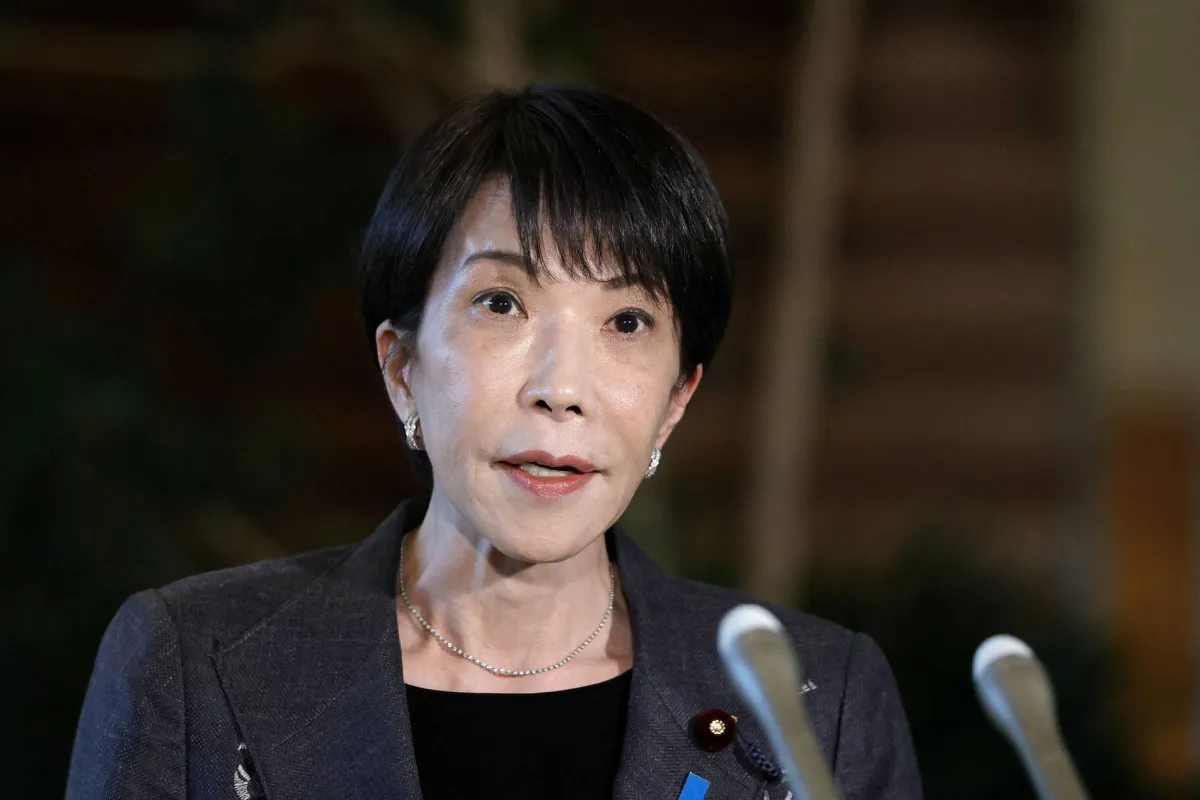
Kenneth Rogoff, former chief economist at the International Monetary Fund, urged Japanese Prime Minister Sanae Takaitchi to respect the independence of the central bank, warning of the implications of rising bond yields. This warning was issued during a meeting of Japan's Council on Economic and Fiscal Policy, where Rogoff emphasized the importance of maintaining market confidence in the country's financial resources.
Currently a professor at Harvard University, Rogoff delivered his warnings at a meeting held on March 26, where he was invited to share his views on the economic policies adopted by the Japanese government. He stated that he would not be surprised if the yields on long-term Japanese government bonds rose to 3% or higher in the coming years due to increased government spending financed by debt in areas such as defense.
Details of the Meeting
In the meeting minutes, Rogoff pointed out that having an independent institution to set financial forecasts could help Japan maintain market confidence. He stressed that the independence of the central bank is even more crucial, warning that any government intervention in interest rate hike decisions could lead to increased market anxiety, further raising long-term interest rates.
On the other hand, Takaitchi, who supports loose monetary and fiscal policies, expressed her dissatisfaction with the Bank of Japan's plans to raise interest rates from their current low levels. Despite the bank indicating its readiness to raise rates again, some analysts believe that political opposition may lead to a postponement of this action.
Context and Background
The Japanese government, under Takaitchi's leadership, is seeking to boost economic growth by providing fuel support and considering freezing sales tax on food items. These measures could lead to an increase in Japan's already massive debt. The government is also contemplating adjusting its financial targets, which critics view as a step that could undermine current financial indicators.
In this context, yields on Japan's benchmark 10-year government bonds have risen to their highest level in 27 years, reaching 2.43%, reflecting investor concerns about the expansive fiscal policy and rising inflationary pressures.
Implications and Effects
Olivier Blanchard, a professor emeritus at the Massachusetts Institute of Technology, voiced his opposition to the idea of freezing the tax, emphasizing the need to focus on structural reforms instead. He warned that the current situation, where interest rates on debt remain below the growth rate, will not last long, necessitating Japan to take serious steps towards achieving a primary budget surplus.
Blanchard noted that interest rates will return to higher levels, requiring the Japanese government to reassess its financial strategies to avoid future crises.
Impact on the Arab Region
Global financial markets, including Arab markets, are affected by changes in monetary policies of major countries like Japan. Rising interest rates in Japan could lead to capital flows towards safer markets, impacting investments in the Arab region.
In conclusion, the current economic situation in Japan requires close monitoring by policymakers, as any changes in monetary policies could significantly impact the global economy.