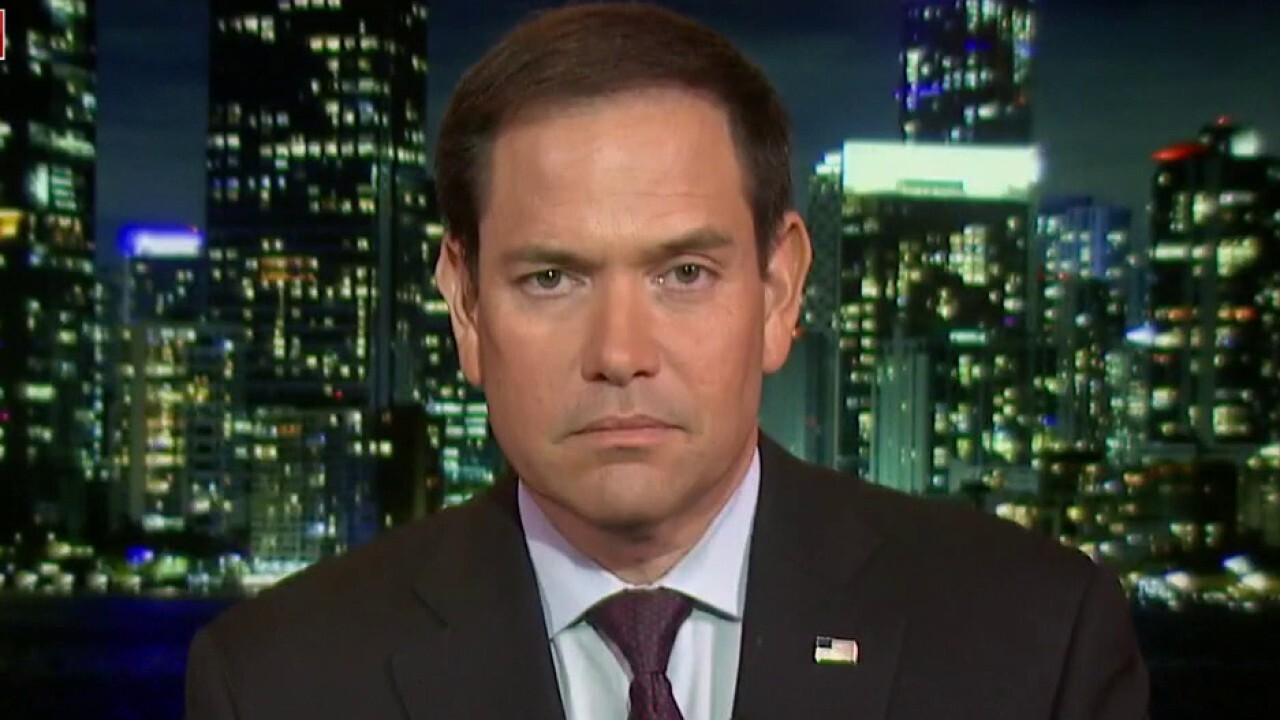
A heated political confrontation unfolded between U.S. Senator Marco Rubio and Estonian Prime Minister Kaja Kallas, focusing on the West's patience towards Russia amid escalating tensions. This discussion reflects growing concerns over Moscow's actions in the region.
During a hearing of the U.S. Senate Foreign Relations Committee, Rubio emphasized the need for the West to take a firm stance against Russia, stating that it is time to define the limits of patience. In response, Kallas asserted that Estonia and other European countries require a strong response to face Russian challenges.
Details of the Event
This confrontation comes at a sensitive time, as fears of escalating conflict in Ukraine are rising, leading to deep tensions between Russia and the West. Rubio, considered one of the leading voices advocating for strict policies towards Moscow, expressed concern that continued leniency could encourage Russia to take more aggressive steps.
Kallas, representing a country located on Russia's borders, affirmed that European nations need to unify their efforts to confront security threats. She pointed out that patience may run out, but there must be a clear strategy for dealing with Russia, which includes strengthening military defenses and providing support to Ukraine.
Background & Context
Historically, Russian-Western relations have experienced numerous fluctuations, especially following Russia's annexation of Crimea in 2014. Since then, Western countries have taken several steps to impose sanctions on Moscow, but these measures have not prevented Russia from continuing its aggressive policies.
Estonia is one of the countries that has directly suffered from Russian threats, making its position in these discussions more significant. The Estonian government is always seeking to enhance cooperation with NATO and other European nations to ensure its security.
Impact & Consequences
The implications of this discussion extend beyond political borders, reflecting the increasing anxiety in Europe over the escalation of Russian threats. If the situation remains unchanged, it could lead to greater military escalation in the region, threatening security stability in Europe.
These discussions may also influence American policies towards Russia, as some members of Congress seek to adopt firmer stances. Such pressures could potentially lead to increased military support for Ukraine and enhanced economic sanctions against Moscow.
Regional Significance
While attention is focused on the Russian-Ukrainian conflict, developments in Russian-Western relations may impact the Middle East. Russia plays a pivotal role in several conflicts in the region, including in Syria and Libya.
If tensions between Russia and the West escalate, it could affect Arab countries' strategies in dealing with Russia, particularly in military and economic cooperation. It is crucial for Arab nations to closely monitor these developments, as any escalation could lead to shifts in the balance of power in the region.
In conclusion, the confrontation between Rubio and Kallas underscores the importance of the Western stance towards Russia amid increasing challenges. It is clear that patience may run out, but how the West responds to this challenge will determine the future of international relations in the coming years.