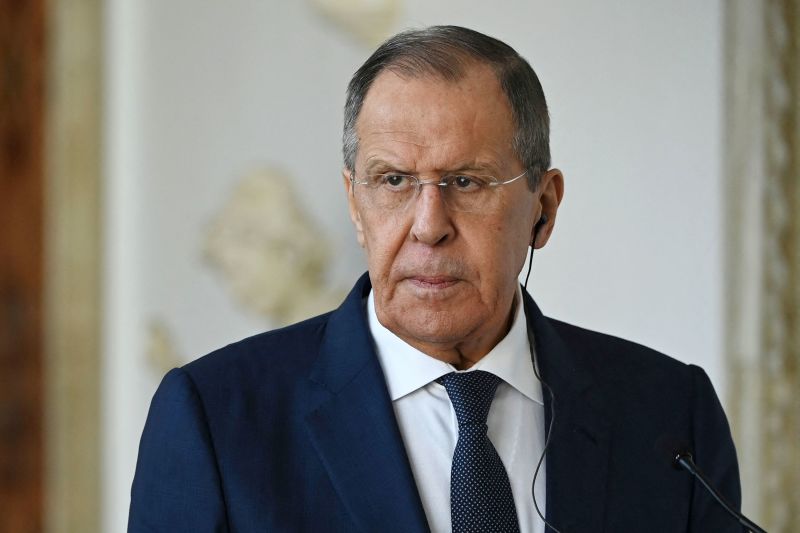
Russian Foreign Minister Sergey Lavrov has accused the United States and Israel of attempting to obstruct normalization efforts between Iran and its neighbors. These statements were made in the context of harsh criticisms directed at President Donald Trump, who claimed he is "not interested in international law." Such remarks raise questions about the future of relations in the region and the influence of major powers on its trajectories.
In his remarks to reporters, Lavrov noted that American statements reflect an approach that disregards international laws and exacerbates chaos in international relations. He also argued that these practices aim to hinder any attempts at rapprochement between Iran and regional countries, complicating the situation in the Middle East.
Details of the Event
Lavrov's comments come at a sensitive time when the region is witnessing significant political shifts, as Iran seeks to improve its relations with some of its neighbors, including Gulf nations. Some of these countries have expressed a desire to open channels of dialogue with Tehran, in an effort to ease the tensions that have plagued the region over the past years.
On the other hand, the United States continues to exert pressure on Iran through economic sanctions, complicating normalization efforts. Lavrov indicated that these pressures aim to obstruct any progress in relations between Iran and regional countries, which contradicts the interests of peace and stability in the Middle East.
Context and Background
Over the years, relations between Iran and its neighbors have been strained due to various issues, including the Iranian nuclear program and Tehran's support for armed groups in the region. However, some countries in the Arab Gulf have begun to reassess their policies towards Iran, especially in light of the geopolitical changes that have occurred in the region.
Historically, relations between Iran and Arab countries have been influenced by regional conflicts, but there are indications that some nations are seeking to open channels of dialogue with Tehran. This shift may be driven by a desire for regional stability and a reduction in tensions.
Consequences and Impact
The continued pressures from the United States and Israel on Iran could exacerbate the situation in the region, increasing the likelihood of new conflicts. Furthermore, these pressures may affect the efforts of Arab countries to improve their relations with Tehran, reflecting the complexity of the political landscape in the Middle East.
Moreover, the Russian statements suggest that Moscow may play a larger role in supporting normalization efforts between Iran and its neighbors, potentially altering the balance of power in the region. This could open the door to new alliances and reshape relations between Arab countries and Iran.
Impact on the Arab Region
The relations between Iran and Arab countries are considered sensitive issues that affect security and stability in the region. Any progress in normalization efforts could contribute to reducing tensions, but at the same time, external pressures may hinder these efforts.
Thus, the Arab stance on these developments will be crucial in determining the future of relations with Iran. It is essential for Arab nations to adopt balanced policies that take into account their national interests and work towards achieving regional stability.
In conclusion, the relations between Iran and its neighbors remain a focal point of significant interest, especially in light of the Russian and American statements. Understanding these dynamics will aid in shaping future Arab policies towards Iran.