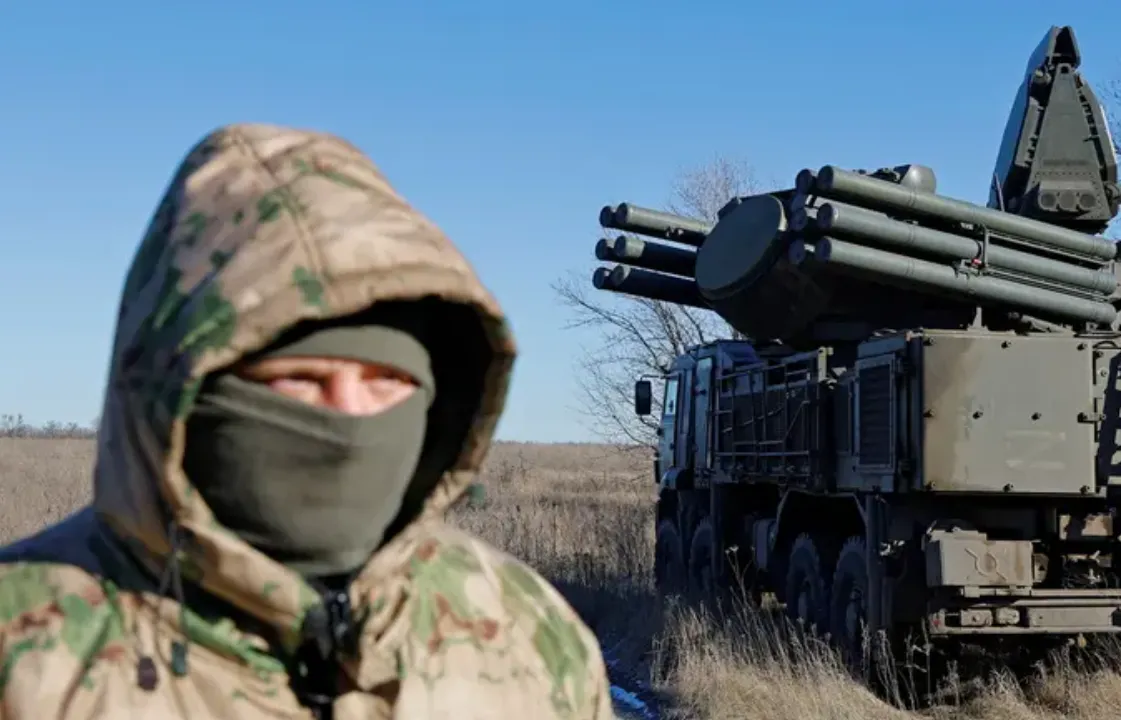
The Russian Ministry of Defense reported on Wednesday that its forces have fully taken control of the Luhansk region in eastern Ukraine, which is one of the four regions Moscow announced it annexed in 2022. This move comes as Kyiv and Western nations continue to reject this annexation, deeming it an illegal seizure.
It is noteworthy that Russia had already controlled over 99% of Luhansk's territory before the official announcement of complete control. The ministry also confirmed that it had taken control of the village of Verkhnya Pysarivka in the Kharkiv region and the village of Boikiv in the Zaporizhia region of southeastern Ukraine.
Details of the Event
The Luhansk region is considered one of the focal points of the ongoing conflict between Russia and Ukraine, having witnessed fierce battles since the onset of the conflict in 2014. The complete control of the region strengthens Russia's strategic position in eastern Ukraine and complicates peace efforts sought by the involved parties.
In a related context, British Prime Minister Keir Starmer announced that the United Kingdom will host a meeting involving over 30 countries, aimed at ensuring maritime safety in the Strait of Hormuz. This meeting comes at a sensitive time as tensions in the region continue to escalate.
Background & Context
Historically, the Luhansk region has been part of Ukraine since its independence from the Soviet Union in 1991. As tensions escalated between Russia and Ukraine, Russia began supporting separatists in the region, leading to the outbreak of armed conflict. In 2022, Russia announced the annexation of four Ukrainian regions, including Luhansk, which provoked strong international reactions and was deemed illegal by most countries.
The Russian military movements in Luhansk are part of a broader strategy aimed at enhancing Russian influence in the region, raising concerns among Western nations that seek to support Ukraine in the face of this expansion.
Impact & Consequences
The Russian control of Luhansk represents a turning point in the conflict, potentially leading to an escalation of military tensions in the region. This development may also affect future negotiations between Russia and Ukraine, complicating peace efforts.
Moreover, control over Luhansk could strengthen Russia's position in any future negotiations, potentially weakening Ukraine and its allies. This situation could lead to changes in regional dynamics and increase polarization between East and West.
Regional Significance
The Arab region is indirectly affected by the geopolitical tensions arising from the Russian-Ukrainian conflict. Increased tensions in Europe may impact energy prices and global markets, reflecting on Arab economies that heavily rely on oil and gas exports.
Additionally, the conflict may open avenues for Arab countries to expand their relations with either Russia or the West, depending on their strategic interests. Ultimately, the situation in Ukraine remains a focal point for the world, as concerns grow over its implications for regional and international security and stability.