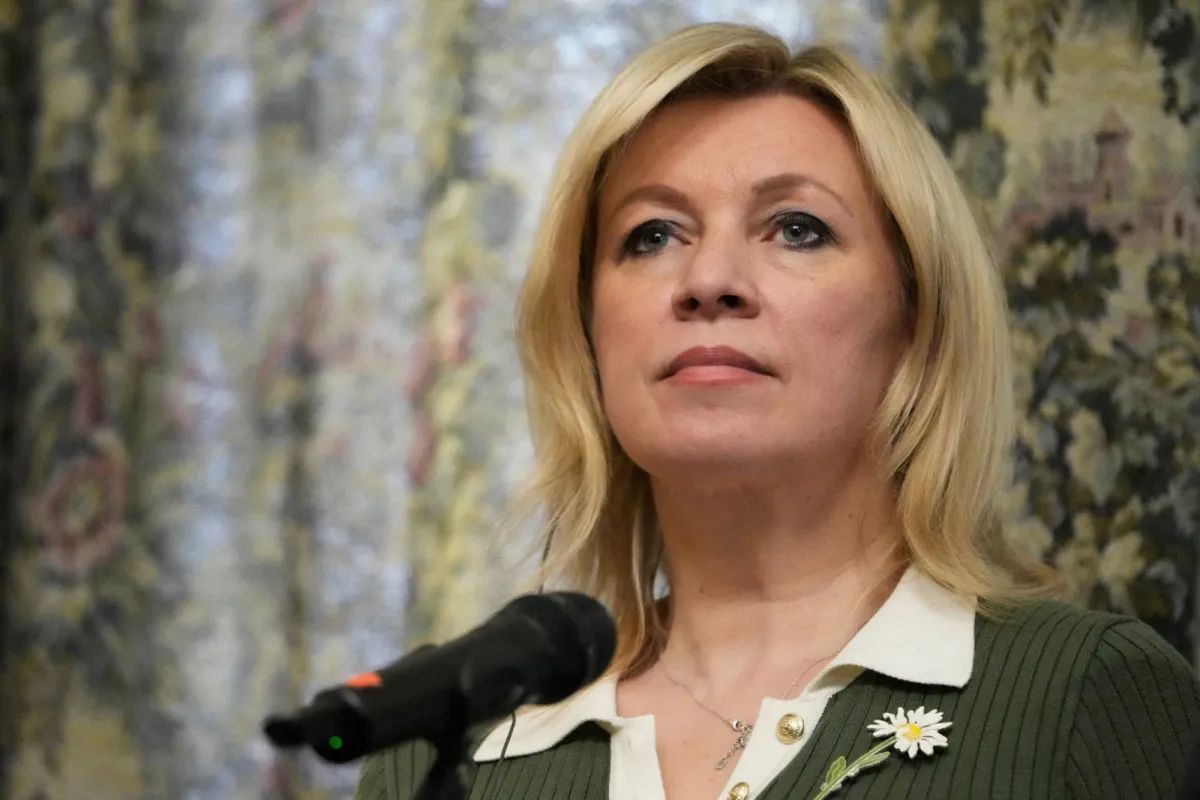
The Russian Foreign Ministry denied on Wednesday the accuracy of Ukrainian reports suggesting a collaboration between cyber hackers from Russia and Iran. Spokesperson Maria Zakharova stated that these allegations are just another lie propagated by the Ukrainian regime.
In a statement to Reuters, Zakharova said, "The claims of some kind of cooperation between cyber hackers from Russia and Iran, which you have reported, are another lie in this case, committed by the regime and terrorist groups in Kyiv." She pointed out that Ukraine is conducting widespread cyber attacks against Russia.
Details of the Incident
The Ukrainian reports referenced by media outlets, including Reuters, indicated that cyber hackers from Russia and Iran are collaborating in the field of cybersecurity. An intelligence assessment from Ukraine revealed that Russian satellites conducted detailed scans of military facilities in the Middle East, aiding Iran in targeting American forces.
The assessment, which Reuters reviewed, indicated that Russian satellites carried out at least 24 scans of areas in 11 countries in the Middle East, covering 46 targets, including American military bases. Subsequently, these bases were targeted by Iranian ballistic missiles and drones, indicating a clear pattern of cooperation.
Background & Context
Earlier, the Kremlin denied reports suggesting that Russia provided Iran with satellite images and enhanced drone technologies. Kremlin spokesperson Dmitry Peskov described these allegations as "lies," emphasizing that Moscow has not provided any military or technical support to Tehran.
These statements come at a sensitive time as tensions between Russia and Ukraine escalate, with the war now entering its fifth year. U.S. Vice President J.D. Vance accused European leaders of failing to make sufficient efforts to end the conflict, while Kyiv urged the United States to pressure Russia to halt its invasion.
Impact & Consequences
Concerns are growing over the escalation of cyber attacks amid the ongoing Russian-Ukrainian war, as these attacks are considered part of the ongoing conflict between the two sides. The potential collaboration between Russia and Iran in this area raises alarms among Western countries, which fear its impact on regional and international security.
Analysts suggest that these developments could lead to increased tensions in the region and may prompt Western nations to take stricter actions against Russia and Iran. Furthermore, the continuation of the war in Ukraine could negatively affect stability in Europe, complicating international relations.
Regional Significance
The Arab region is directly affected by these developments, as any escalation in the conflict between Russia and Ukraine could impact energy prices and regional security. Additionally, Iranian-Russian cooperation in cybersecurity may lead to further tensions in the region, especially given the current crises in the Middle East.
In conclusion, the situation in Ukraine and its international connections remain a significant focus, as fears grow over the escalation of the conflict and its implications for security and stability in the region and the world.