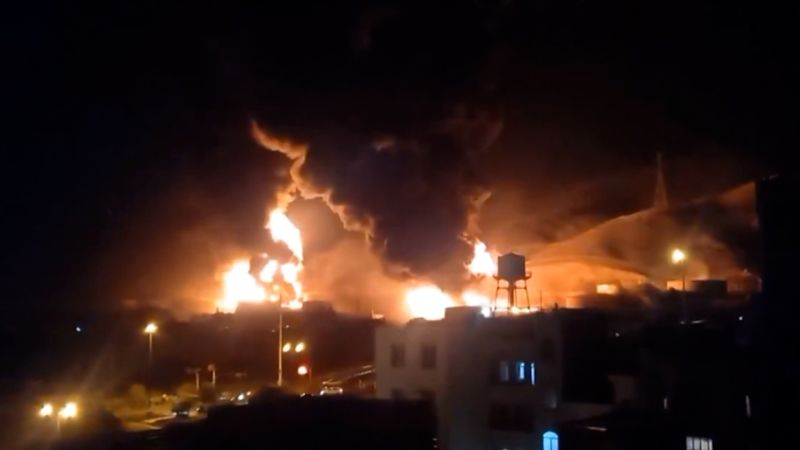
An Israeli newspaper, the Jerusalem Post, reported on Monday evening that Russia has provided Iran with a list containing 55 vital targets related to energy infrastructure within Israel. This revelation occurs at a time when regional tensions are escalating, raising fears of the possibility of precise missile attacks against these targets.
According to an anonymous source close to Ukrainian intelligence, the information obtained by Iran from Russia aims to bolster its military capabilities in the region. This cooperation between Moscow and Tehran is seen as a troubling development, especially given the ongoing crises in the Middle East.
Details of the Event
The list provided by Russia to Iran includes detailed information about critical energy-related sites, making them strategic targets in the event of military conflict. The report indicates that these targets encompass power plants and other vital facilities that play a crucial role in Israel's economic and security stability.
This military collaboration between Russia and Iran comes at a sensitive time, as Iran seeks to enhance its military capabilities in response to Israeli threats. This partnership is viewed as part of a broader strategy aimed at increasing Iranian influence in the region.
Background & Context
Historically, the relationship between Russia and Iran has experienced numerous fluctuations; however, military cooperation between the two countries has significantly increased in recent years. This shift occurs against the backdrop of Western sanctions imposed on Iran, prompting it to seek new allies. Russia, for its part, aims to strengthen its influence in the Middle East by supporting its traditional allies.
This move is part of Moscow's strategy to enhance its presence in the region, particularly amid rising tensions between Iran and Israel. Recent years have seen an uptick in Israeli military operations against Iranian targets in Syria, complicating the security landscape in the area.
Impact & Consequences
This cooperation between Russia and Iran could lead to heightened tensions in the region, as Israel may perceive a greater threat from potential attacks on its vital infrastructure. Should any attacks occur, this could drag the region into a wider conflict, impacting regional stability.
Moreover, this collaboration may strengthen Iran's position in nuclear negotiations, as it could leverage this information as a means of pressure against major powers. Consequently, this partnership could have far-reaching implications for both regional and international security.
Regional Significance
These developments are significant for Arab countries, as they may influence their security and military strategies. With the rise in threats, Arab states may seek to bolster their military alliances to counter any potential escalation from Iran or its allies.
This cooperation could also prompt some Arab nations to reassess their policies towards Iran, potentially leading to new alliances or shifts in regional relations. Ultimately, the situation in the region remains complex and requires careful monitoring by all involved parties.