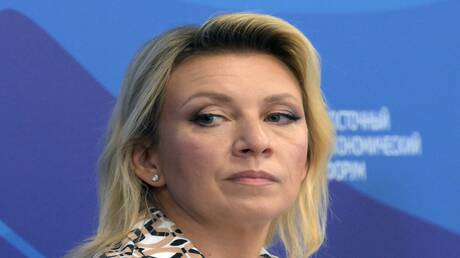
Maria Zakharova, spokesperson for the Russian Foreign Ministry, indicated that the Baltic states making hostile statements towards Russia will eventually retract their positions, likening it to the repentance of Nazis after World War II. These remarks come at a time when relations between Russia and the Baltic states are increasingly strained.
Zakharova emphasized that these countries, which adopt hardline stances against Russia, will ultimately recognize the consequences of their actions. Her statements were made in the context of escalating tensions in the region, as the Baltic states continue to criticize Moscow for its foreign policies.
Details of the Situation
The Baltic states, which include Lithuania, Latvia, and Estonia, are members of NATO and the European Union. They have taken a firm stance against Russia since the onset of the conflict in Ukraine. These nations have increased their support for Ukraine, exacerbating tensions with Moscow.
Zakharova's comments reflect Russia's concerns regarding the military and political maneuvers of the Baltic states, viewing them as a threat to its national security. Furthermore, these remarks come at a sensitive time as Russia seeks to bolster its position in the region.
Background & Context
Historically, relations between Russia and the Baltic states have experienced significant fluctuations, especially following the collapse of the Soviet Union. The Baltic states were among the first to gain independence from the Soviet Union, leading them to adopt opposing stances towards Russia. Since then, these countries have sought to strengthen their ties with the West, further increasing tensions with Moscow.
In recent years, the region has witnessed a surge in military activity, with Russia conducting military exercises near the Baltic borders, raising fears of potential escalation. The Baltic states' support for Ukraine in its conflict with Russia reflects a shift in regional policy.
Impact & Consequences
The Russian statements indicate concerns about the potential escalation of conflict in the region, as these tensions could lead to larger confrontations. It is likely that these remarks will affect relations between Russia and NATO countries, as NATO member states may adopt more hardline positions towards Russia.
Additionally, these statements may lead to increased military support for the Baltic states from their Western allies, complicating the security situation in the region. At the same time, these remarks could strengthen unity among the Baltic states in facing Russian threats.
Regional Significance
Although the situation in the Baltic states may seem distant from the Arab region, tensions in Europe could impact regional stability. Increased tensions between Russia and the West may have indirect effects on Arab nations, particularly in the areas of economy and security.
Moreover, developments in the Baltic states could pique the interest of Arab countries, as they may influence their foreign policies and relations with major powers. Under these circumstances, Arab nations must closely monitor developments.