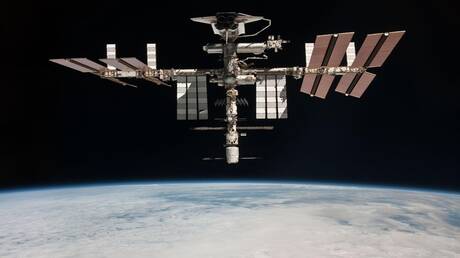
In a significant step reflecting technological progress in space exploration, Russian astronaut Sergey Kud-Sverchkov announced that the crew of the International Space Station has started utilizing Russian-developed AI software. This initiative is part of efforts to enhance efficiency and effectiveness in daily operations aboard the station.
The software is an integral part of a comprehensive program aimed at improving the functional performance of astronauts in space, providing advanced tools for data analysis and task management. It is expected that this technology will help accelerate procedures and reduce human errors, thereby enhancing the safety and security of the crew.
Details of the Announcement
During a press conference, Kud-Sverchkov explained that the use of AI will enable astronauts to focus on more complex tasks, as the software will handle routine operations. He also noted that this technology was developed in collaboration with several Russian research institutions, reflecting Russia's commitment to enhancing its capabilities in the field of space.
The new software includes a suite of applications that assist in monitoring the vital systems of the station, analyzing scientific data, and managing the task schedule. This development comes at a time when the International Space Station faces multiple challenges, including the need to improve efficiency amid limited resources.
Background & Context
The International Space Station was established in 1998 and is considered one of the largest international scientific projects, involving several countries, including the United States, Russia, Europe, and Japan. Over the years, the station has witnessed numerous technological advancements, but the use of AI represents a qualitative shift in how space operations are managed.
Historically, Russia has been a pioneer in space exploration, having launched the first satellite and the first human into space. However, the economic and political challenges faced by the country in recent years have necessitated the search for innovative solutions to enhance its capabilities in this field.
Impact & Consequences
The implementation of AI at the International Space Station is expected to have a significant impact on the future of space exploration. This technology could open new avenues for scientific research, allowing scientists to collect and analyze data more quickly and accurately.
Furthermore, this initiative may foster international cooperation in the field of space, as other countries might adopt similar technologies to improve their space operations. The success of this software could also encourage greater investments in space technology, benefiting the global economy.
Regional Significance
As many Arab countries are moving towards developing their own space programs, Russia's experience with AI could positively influence these initiatives. Arab nations can learn valuable lessons from this experience to enhance their technological capabilities in space.
Additionally, collaboration with leading countries in this field, such as Russia, could accelerate the development of Arab space programs, thereby enhancing the region's standing on the international stage.
The use of AI software at the International Space Station represents an important step towards the future, potentially improving efficiency and enhancing safety for astronauts. These developments are not only pivotal for space but also carry broader implications for international cooperation and technological advancement.