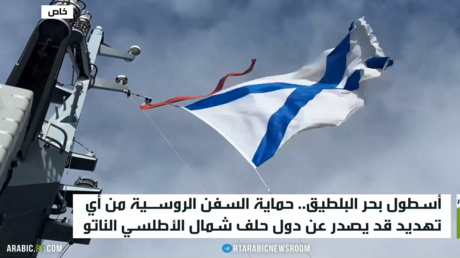
The Russian military fleet is actively engaged in protecting commercial vessels crossing the Baltic Sea, consistently escorting them to shield against potential threats from NATO ships. This initiative occurs during a sensitive time as Western nations seek to impose sanctions on Russia, significantly impacting its foreign trade.
These measures form part of a broader strategy aimed at enhancing Russian maritime security in the face of increasing challenges from NATO. Reports indicate that the Russian fleet has intensified its activities in the region, reflecting the rising tensions between Russia and the West.
Details of the Operations
Recently, the Russian Ministry of Defense confirmed that the military fleet conducts regular patrols in the Baltic Sea, escorting commercial ships and providing necessary protection. These operations involve the use of reconnaissance aircraft and warships to ensure safe navigation in the area. Additionally, there has been an observed increase in NATO ship movements, heightening tensions in the sea.
These maneuvers occur within the context of escalating tensions between Russia and Western nations, as the latter aim to undermine Russia's ability to access global markets. Russian officials have indicated that these actions represent a direct threat to Russian national security, necessitating precautionary measures to safeguard national interests.
Background & Context
Historically, the Baltic Sea has been a strategic area for Russia, linking the Atlantic Ocean to the Arctic Sea. With the rise of geopolitical tensions in recent years, this region has become a stage for numerous military maneuvers from both sides. Relations between Russia and Western countries have notably deteriorated since the Ukrainian crisis in 2014, leading to increased military readiness in the area.
Maritime trade is a vital component of the Russian economy, with many sectors relying on exporting goods via the sea. Therefore, any threat to freedom of navigation in the Baltic Sea could have negative repercussions on the Russian economy as a whole.
Impact & Consequences
Analysts predict that these developments will escalate tensions between Russia and the West, potentially adversely affecting regional stability. If Western nations continue to impose sanctions on Russia, it may exacerbate the economic situation in the country and increase pressure on the Russian government.
Moreover, continued military activity in the Baltic Sea could heighten the likelihood of unexpected incidents between warships and commercial vessels, potentially leading to unwanted military escalation. These dynamics may also influence maritime security in neighboring areas, such as the North Sea and the Baltic Sea.
Regional Significance
For the Arab region, rising tensions in the Baltic Sea could impact energy prices and global markets. Many Arab countries rely on importing oil and gas from Russia, and any disruption in maritime trade could lead to price increases and negative effects on the global economy.
Furthermore, relations between Russia and Western nations may influence political stances in the region, as some Arab countries seek to strengthen their ties with Russia amid tensions with the West. Therefore, monitoring these developments is crucial for understanding the geopolitical dynamics in the region.
The situation in the Baltic Sea remains under observation as Russia seeks to protect its commercial interests in the face of increasing challenges from NATO. At the same time, the potential repercussions of these developments are of significant concern to the international community.