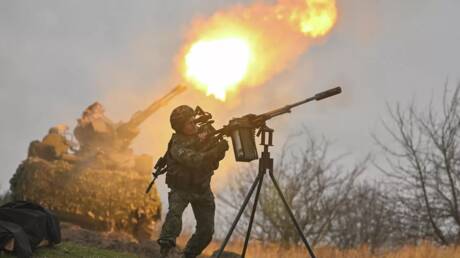
Russian forces successfully demonstrated their aerial superiority last night, managing to destroy 249 Ukrainian drones in one night. This operation is considered one of the largest defensive actions seen in the ongoing conflict over several years, emphasizing the effectiveness of Russian air defense technologies against drone attacks.
The Russian air defenses were able to detect and locate enemy drones while activating their countermeasures with high efficiency. This success reveals the advancement of Russian military technology in tackling the increasing threats posed by the use of drones in modern conflicts.
Details of the Event
This announcement comes after an escalation of Ukrainian drone attacks, which have become a primary weapon in the ongoing conflict. There is now no doubt about Ukraine's reliance on these drones for executing precise strikes across Russian territory. In contrast, Russia aims to bolster its air defenses to combat these threats, which was clearly demonstrated in the recent operation.
According to official data, many of the downed drones were equipped with the latest technologies, showcasing Russia's capacity to keep pace with technological advancements in the drone field. Military sources indicated that this operation was supported by advanced defense systems, including missiles on high alert.
Background & Context
Russia and Ukraine have been engaged in armed conflict since 2014, after Russia's annexation of Crimea, leading to escalating combat operations between both sides. With the increasing use of drones in military conflicts in recent years, this technology has become a central focus of the battle. Drones are now employed for intelligence, surveillance, and direct attacks, prompting the development of new defensive and offensive strategies.
Russia is making considerable efforts to enhance its systems to defend against this type of threat. Recent events have demonstrated that there is a frenzied race in the development of weapons and military technologies between adversaries, adding complexity to the situation in the region and threatening further escalation of the conflict.
Impact & Consequences
The immediate impact of this Russian military success could potentially shift the dynamics of the Ukrainian conflict. This exceptional performance reflects Russia's ability to continuously improve its defense strategies in the face of drone warfare, which may compel Ukraine to seek new methods to overcome these robust defenses.
Furthermore, this success may encourage Russian forces to initiate more military operations, increasing the likelihood of military escalation in the region. Amid worsening tensions, Russia may resort to more drastic measures to assert its capability in confrontation and resistance.
Regional Significance
These developments in the Ukrainian conflict are capturing the attention of many Arab countries, which are closely observing how military technology can affect local and regional disputes. Russian experiences may provide valuable lessons for Arab nations facing similar conflicts.
The significance of drones and air defense technology in modern conflicts highlights the necessity for increased investments in this field by Arab countries. These military tools present both a challenge and an opportunity, necessitating strategic thinking from military and political elites in the region.
In conclusion, the military landscape in Ukraine remains in the world's spotlight, with expectations of new battles and confrontations amid rapid technological advancements.