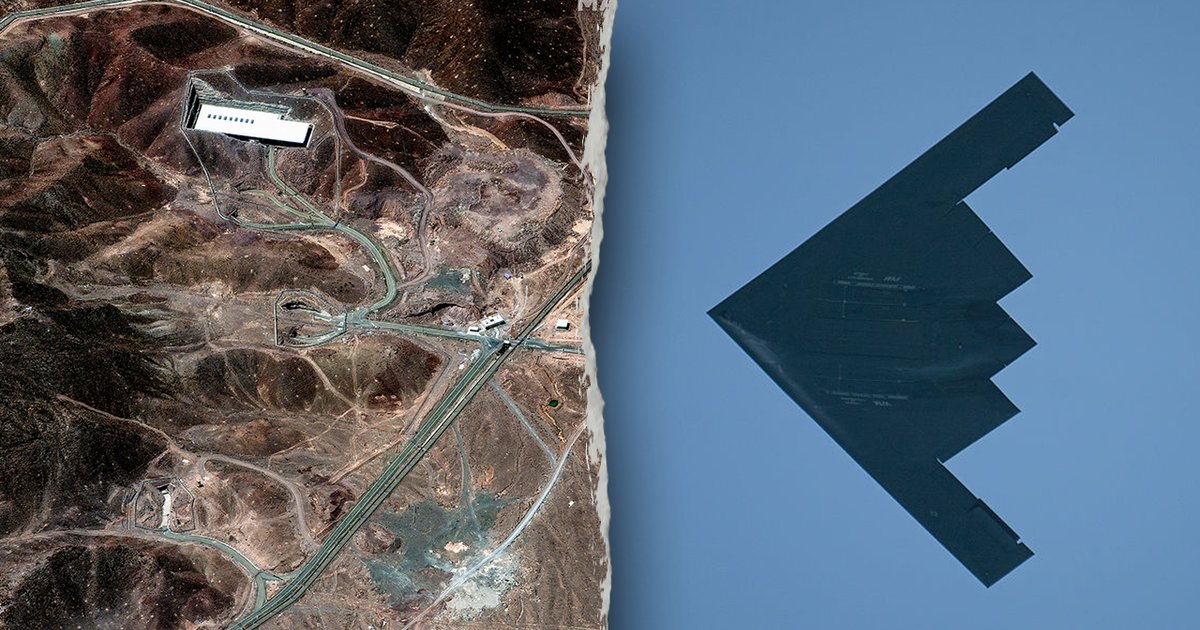
Satellite images captured from the "Sentinel-2" platform on April 3, 2026, show clear damage at a fortified complex in the Iwanki area southeast of Tehran, following intense bombardment. An analysis conducted by the open-source unit of Al Jazeera revealed that two main sections of the complex were affected, one in the northern part and the other in the southwestern part.
Comparing images before and after the attack, taken from March 19 to April 3, shows that several buildings have undergone significant changes, with signs of direct targeting. The images also indicate that the attacks were gradual, as a photo from March 22 showed limited damage before the affected area expanded further by April 3.
Details of the Incident
In a related context, other satellite images taken on April 6, 2026, revealed severe damage at a complex belonging to the Air Defense Command of the Khatam al-Anbiya headquarters east of Tehran, due to intensive targeting. The analysis between images from March 27 to April 6 showed significant changes in the central sector of the complex, where several buildings and facilities have lost their features.
The images also documented recent damage at Mehrabad Airport, which was targeted by Israeli strikes resulting in the destruction of two aircraft and severe damage to the airport. The analysis comparing images before and after the attack revealed clear signs of fire at the site previously occupied by the two aircraft, with two adjacent burned areas.
Background & Context
Additionally, satellite images taken on March 6 revealed extensive damage at Hamadan Air Base, one of Iran's main bases, following strikes targeting it during the American-Israeli war. The analysis between images from February 25 and March 6 showed clear signs of bombardment on the main runway and taxiways, indicating disruptions to takeoff and landing operations.
It is noteworthy that Iran had rushed to develop the base amid the American buildup before the war, as satellite images showed development works that included air defense facilities and the expansion of the fighter jet hangar area.
Impact & Consequences
This data suggests that Hamadan Air Base had undergone readiness and expansion activities before the war, only to be struck, affecting its core operational structure. On the fortieth day of the war, U.S. President Donald Trump announced his approval to halt bombings for two weeks, conditional on Iran's agreement to fully and immediately open the Strait of Hormuz.
Concerns are rising over escalating tensions in the region, as reports indicate that continued bombardment could exacerbate security conditions in Iran and intensify conflicts in the region.
Regional Significance
This military escalation in Iran may directly impact the situations in neighboring Arab countries, as fears grow regarding the repercussions of the war on regional security. Furthermore, continued bombardment could lead to an influx of more refugees into neighboring countries, increasing pressures on these nations.
In conclusion, the situation in Iran remains under observation, as developments indicate that the war may last longer than expected, placing the region in a state of instability.