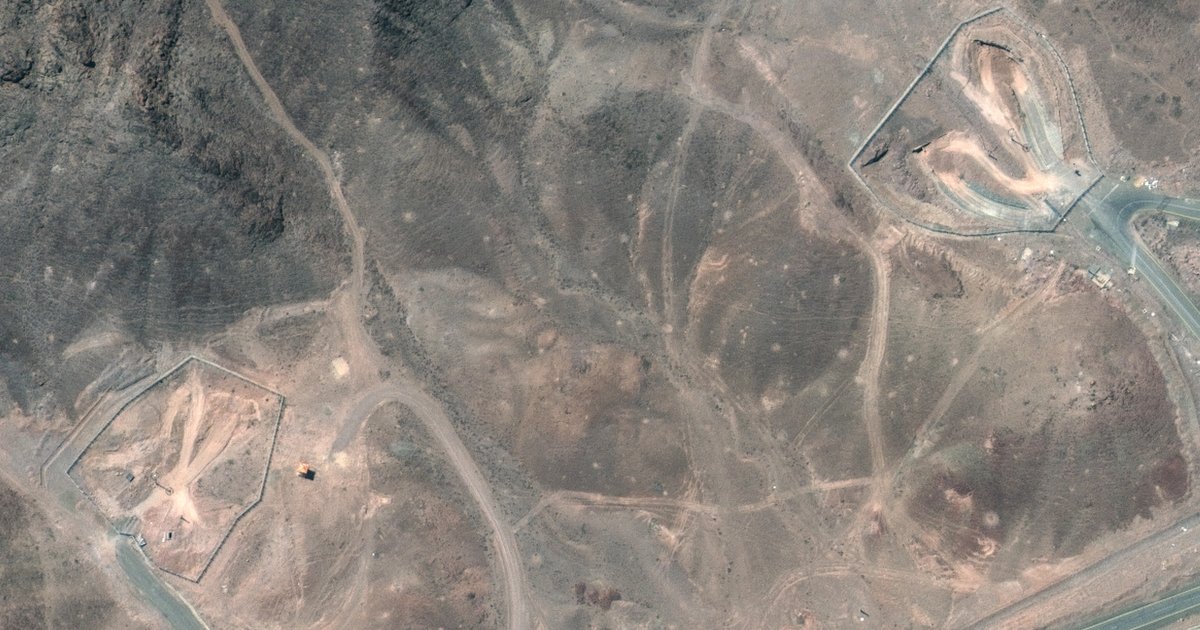
Satellite images taken on March 28 reveal extensive damage at the yellowcake facility in Ardakan, Iran, which is considered a cornerstone of Iran's nuclear fuel cycle. This facility, also known as the Shahid Rezai Najad site, was targeted in an Israeli attack, resulting in the destruction of two main buildings at the site.
Analysis of the images showed the destruction of the main uranium processing building, along with another building considered an auxiliary facility for processing operations. The Israeli army spokesperson announced on March 27 that a strike targeted the central infrastructure at the site, which is the only one of its kind in Iran.
Details of the Incident
The attack comes as part of a series of Israeli strikes targeting Iranian nuclear sites amid escalating tensions in the region. The International Atomic Energy Agency (IAEA) confirmed that Iran informed it about the attack, emphasizing that no increase in radiation levels outside the site has been detected so far. The IAEA's Director General, Rafael Mariano Grossi, called for restraint, warning of the potential risks of any escalation that could lead to a nuclear incident.
Despite the absence of indications of a radiation leak, targeting this facility is considered an unprecedented escalation. Yellowcake, used as the first stage in nuclear fuel production, is a critical link in Iran's nuclear program, increasing the risks if similar nuclear facilities continue to be targeted.
Background & Context
Historically, Iran developed its nuclear program under the supervision of the International Atomic Energy Agency, but tensions with Israel and the United States regarding this program have significantly increased in recent years. Yellowcake, known for its yellowish color, primarily consists of uranium oxides and is used in later stages to convert uranium into chemical forms suitable for final use.
Yellowcake requires refining and chemical conversion processes to remove impurities and convert uranium into compounds usable in nuclear reactors. This makes the targeted facility a vital part of the nuclear fuel production cycle and reflects the importance of maintaining the safety of these sites.
Impact & Consequences
The attack on the yellowcake facility could escalate tensions between Iran and Israel and heighten concerns about regional stability. If military pressures on Iran's nuclear program continue, Tehran may take escalatory steps, threatening both regional and international security.
This attack may also affect negotiations related to the Iranian nuclear agreement, as major powers seek to revive the deal signed in 2015. Any escalation in military operations could complicate these negotiations and further entangle the situation in the region.
Regional Significance
Developments in Iran's nuclear program are of significant importance to Arab countries, raising fears of a nuclear arms race in the region. Israeli attacks on Iranian nuclear facilities may provoke reactions from Arab states, increasing regional tensions.
These events could also prompt some Arab countries to enhance their security and military cooperation to counter potential threats. Under these circumstances, dialogue and regional cooperation become an urgent necessity to maintain stability and security in the region.
The attack on the yellowcake facility in Iran is considered a serious development in the regional conflict, reflecting the escalating tensions between Iran and Israel. As these dynamics continue, the future of regional security remains uncertain.