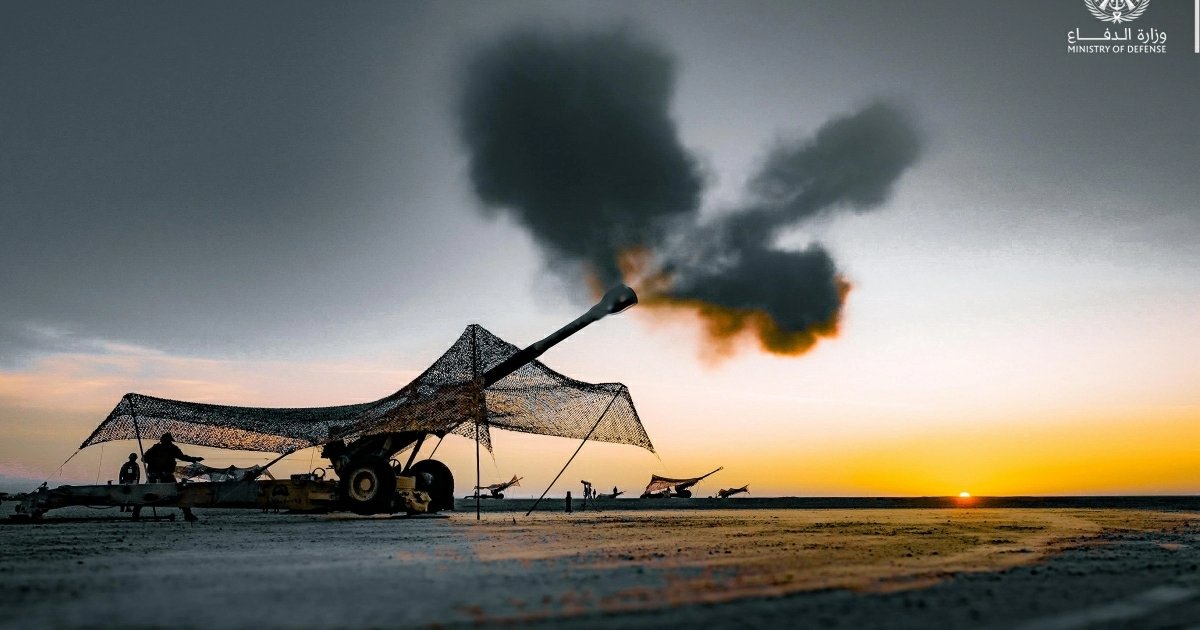
The Saudi Ministry of Defense announced the successful interception and destruction of seven ballistic missiles that were targeting the capital, Riyadh. The official spokesperson for the ministry, Major General Turki Al-Maliki, stated that the operations took place in two separate incidents, with four missiles intercepted in the first operation and three in the second.
These events come at a sensitive time for the region, where military tensions in the Middle East are on the rise. Al-Maliki pointed out that these operations reflect the efficiency and capability of Saudi air defenses in protecting national airspace, showcasing the technological advancements achieved by the Kingdom in this field.
Details of the Incident
In detailing the incident, Major General Al-Maliki explained that Saudi air defenses managed to counter missiles launched from areas outside the Kingdom, without specifying the exact source of these attacks. The interception operations were successfully executed, leading to the destruction of the missiles before they could reach their targets.
This type of attack is part of the ongoing conflict in the region, where some armed groups, including the Houthis in Yemen, target Saudi territory with missiles and drones. These attacks are considered a threat to Saudi national security, necessitating the enhancement of air defense capabilities.
Background & Context
Historically, the Kingdom of Saudi Arabia has witnessed an escalation in missile attacks since the onset of the conflict in Yemen in 2015. The Houthis, who control large parts of Yemen, have used missiles as a means to pressure the Kingdom, prompting Riyadh to bolster its air defenses.
In recent years, Saudi Arabia has invested significantly in air defense systems, such as the American Patriot system, which has proven effective in countering aerial threats. These investments have contributed to reducing the damage caused by missile attacks, reflecting the Kingdom's commitment to protecting its territory and people.
Impact & Consequences
This incident is indicative of rising tensions in the region and may provoke reactions from the Houthis or their allies. Additionally, the success of Saudi air defenses in countering these attacks could enhance the Kingdom's position in international forums, as it can be seen as evidence of its ability to protect its national interests.
On the other hand, these events may increase pressure on the international community to intervene in the Yemeni conflict, as the need for political solutions to end the conflict, which has claimed the lives of thousands of civilians, becomes more urgent.
Regional Significance
The repercussions of this incident extend beyond the Kingdom, affecting regional stability in general. The conflict in Yemen has implications for neighboring countries and may lead to heightened tensions in other nations such as Iraq and Syria.
Moreover, these events could impact relations among Arab states, as there is an increasing need for security cooperation to address common threats. In this context, this incident may strengthen efforts for collaboration among Arab countries in the fields of defense and security.
In conclusion, events in the region remain under scrutiny, as the current situation requires a swift and effective response from all concerned parties to ensure security and stability in the Middle East.