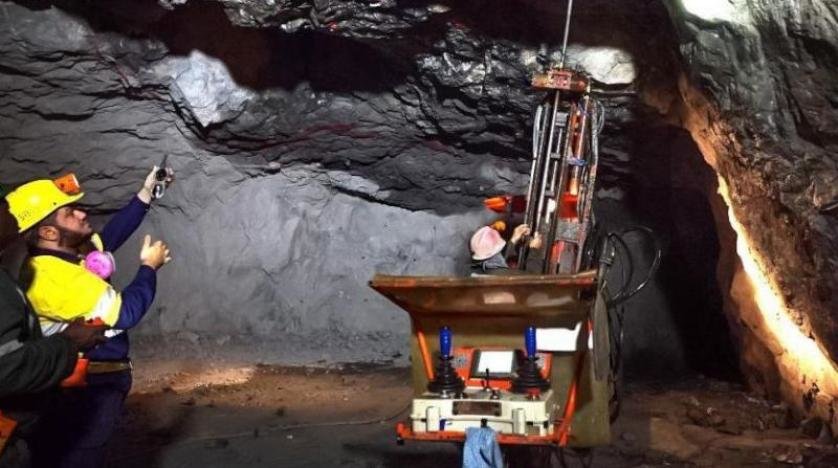
The Ministry of Industry and Mineral Resources in the Kingdom of Saudi Arabia announced the issuance of 38 new mining licenses during February 2023, as part of the government's efforts to enhance and develop the mining sector in line with Vision 2030. This move comes at a time when the sector is witnessing increased interest from both local and international investors.
These licenses are distributed across several regions in the Kingdom, reflecting the diversity of mineral resources that the country possesses. These licenses are part of the ministry's strategy to support investments in the mining sector, which is considered one of the vital sectors in the Saudi economy.
Details of the New Licenses
The new licenses encompass a variety of mining activities, including the extraction of precious metals and industrial minerals. These licenses were granted after meeting the necessary legal and technical requirements, ensuring that companies comply with environmental and developmental standards.
Through this initiative, the Kingdom aims to increase the contribution of the mining sector to the gross domestic product, with the program targeting investments of up to 170 billion Saudi Riyals by 2030. Additionally, these licenses reflect the government's commitment to providing an attractive investment environment for investors.
Background & Context
The issuance of these licenses comes in the context of the ongoing efforts by the Saudi government to enhance economic diversification and reduce dependence on oil. The mining sector has been identified as one of the strategic sectors in Vision 2030, as the Kingdom seeks to better utilize its mineral resources.
Historically, the mining sector in Saudi Arabia has heavily relied on oil extraction, but with the shift towards economic diversification, the government has begun exploring other mineral resources such as gold, copper, and iron. Studies have shown that the Kingdom possesses significant reserves of these minerals, making it an ideal destination for investment in this sector.
Impact & Consequences
The issuance of these licenses is expected to contribute to the creation of new job opportunities and enhance the local economy. Furthermore, increased activity in the mining sector may lead to improvements in infrastructure in the benefiting areas, thereby promoting sustainable development.
Moreover, this step could attract more foreign investments, contributing to enhancing Saudi Arabia's position as a regional hub for mining. With the growing global demand for minerals, the Kingdom is well-positioned to capitalize on these opportunities.
Regional Significance
This move is significant not only for Saudi Arabia but for the entire Arab region. It could serve as a model for other countries seeking to enhance their mining sectors. Additionally, regional cooperation in the mining field could contribute to achieving sustainable development and enhancing economic security.
In conclusion, the issuance of 38 new mining licenses in Saudi Arabia represents a strategic step towards strengthening the mining sector, reflecting the government's commitment to developing this vital sector. This initiative is expected to contribute to achieving the goals of Vision 2030 and enhancing economic growth in the Kingdom.