Azzam Al-Harbi, the head of Early Access Logistics, revealed that air ports in Saudi Arabia play a crucial role in managing current crises, as shipping costs have increased by up to 25% since the beginning of the second quarter of 2026. Al-Harbi attributed this increase to what he termed "war emergency fees" resulting from geopolitical tensions and rising energy prices.
He explained that the Kingdom's airports, such as King Khalid International Airport and King Abdulaziz International Airport, enhance supply chain efficiency, contributing to emergency plans. He also highlighted the importance of linking air and sea transport for the Gulf Cooperation Council (GCC) countries, which helps expedite transit operations and reduce the impact of disruptions.
Event Details
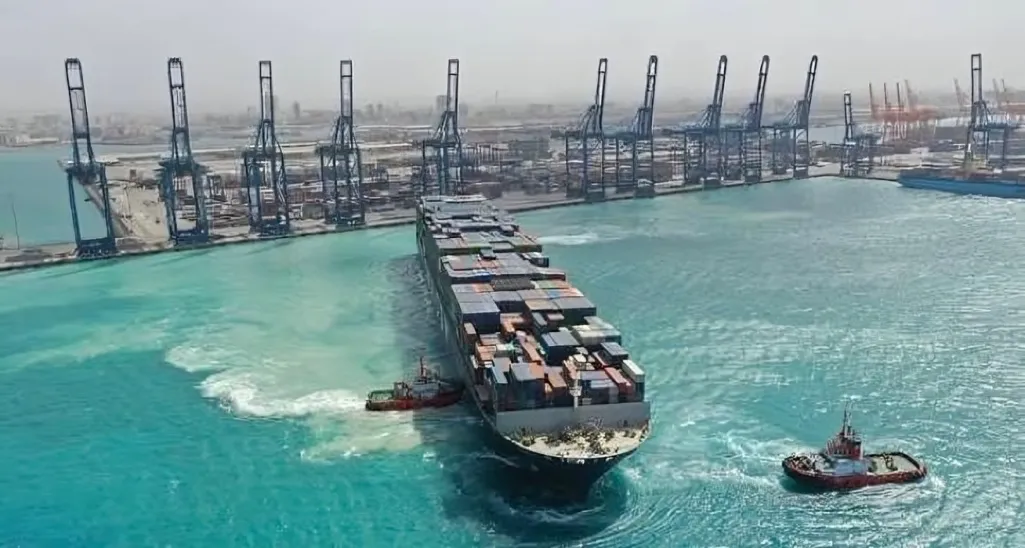
Al-Harbi stated that Saudi Arabia possesses a comprehensive crisis management system, supported by advanced infrastructure and extensive coastlines, which enhances its ability to maintain economic stability and continuity of trade flows. He noted that Jeddah Islamic Port and Jazan Port play a vital role in boosting logistics capabilities, with Jeddah Port having a capacity exceeding 3 million containers, while Jazan Port is considered a key hub for handling energy derivatives and chemicals.
Al-Harbi also confirmed that Saudi ports are emerging as a strategic alternative in response to current shifts in global shipping routes, despite some limited disruptions experienced by Gulf ports.
Background & Context
These statements come at a time when the logistics sector in Saudi Arabia is facing increasing challenges at the regional level, necessitating intensified efforts to enhance the sector's readiness. Reports have shown that the Ministry of Transport and Logistics Services plays a pivotal role in empowering the sector by providing practical solutions and ongoing support for its workers.
Furthermore, Saudi Arabia is striving to enhance its position as a central logistics hub in the region, which requires significant investments in infrastructure and the development of logistics services.
Impact & Consequences
These developments underscore the importance of a rapid response to changes in the global market, as Saudi Arabia seeks to reduce reliance on traditional maritime shipping and enhance air transport as an effective means to meet market needs. This shift reflects the Kingdom's commitment to enhancing its competitiveness in the logistics sector.
Moreover, these strategies may contribute to attracting more foreign investments, thereby boosting the Saudi economy and achieving the objectives of Vision 2030.
Regional Significance
Saudi Arabia is considered one of the largest markets in the region; thus, enhancing its logistics capabilities will positively impact the GCC countries. These developments are expected to improve supply chain efficiency in the region, helping to reduce costs and increase the speed of goods delivery.
In conclusion, it appears that Saudi Arabia is steadily moving towards strengthening its position as a major logistics hub in the region, opening new horizons for economic cooperation among Gulf countries.