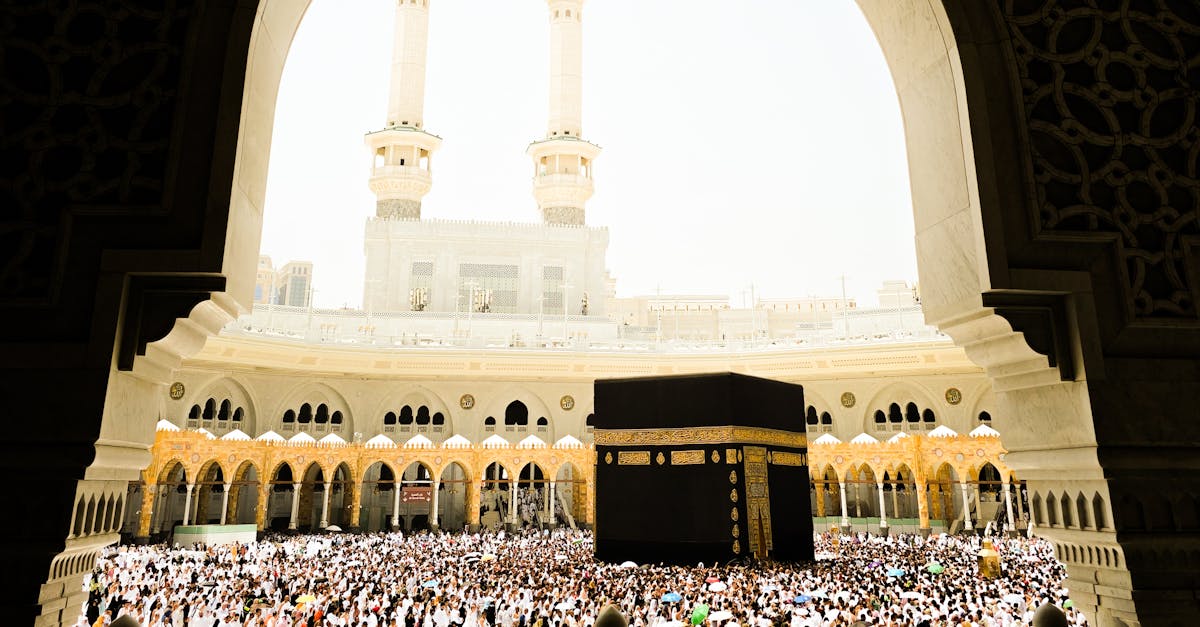
The Kingdom of Saudi Arabia has announced its maximum readiness to welcome over 1.7 million pilgrims during this year's Hajj season. This initiative is part of the Kingdom's efforts to provide the best services for pilgrims, ensuring their safety and comfort while performing their rituals.
Saudi Arabia aims to enhance its infrastructure and logistical services, implementing comprehensive measures that include improving transportation, providing healthcare, and facilitating entry and exit procedures. Security has also been strengthened in the areas surrounding Mecca and Medina to ensure the safety of the pilgrims.
Event Details
This year's preparations include providing a large number of facilities and services, such as housing and transportation, with thousands of housing units allocated to accommodate the pilgrims. Comprehensive health centers have been established to provide necessary medical care, in addition to modern transportation services to facilitate movement between the holy sites.
The Ministry of Hajj and Umrah has also announced plans to provide electronic applications that assist pilgrims in organizing their trips and offering accurate information about prayer times and service locations, making it easier for them to perform their rituals.
Background & Context
This announcement comes at a time when the Kingdom is witnessing a significant increase in the number of pilgrims, following the easing of restrictions related to the COVID-19 pandemic. In previous years, the number of pilgrims was greatly affected by precautionary measures, making this year an opportunity to restore traditional pilgrimage numbers.
Historically, Hajj is one of the five pillars of Islam and attracts millions of Muslims from around the world. Therefore, the Kingdom's success in organizing this event reflects its ability to manage crowds and provide exceptional services.
Impact & Consequences
The significance of Hajj extends beyond the religious aspect, as it also represents a major economic event for the Kingdom. The increase in the number of pilgrims is expected to boost the local economy by increasing demand for tourism and commercial services.
Moreover, the Kingdom's success in organizing Hajj enhances its status as a global religious destination and reflects its commitment to providing the best services to the guests of Allah. This may contribute to attracting more tourists to the Kingdom in the future.
Regional Significance
Hajj is an important event not only for the Kingdom but for the entire Islamic world. Successfully organizing Hajj reflects the ability of Arab countries to manage major events and enhances cooperation among Islamic nations in the field of religious tourism.
This event also illustrates the importance of solidarity among Islamic countries, as Muslims from various nationalities and cultures gather in one place to perform their rituals.
In conclusion, the Kingdom's readiness to receive pilgrims represents a positive step that reflects its commitment to providing the best services, contributing to the enhancement of the local economy and the development of religious tourism.