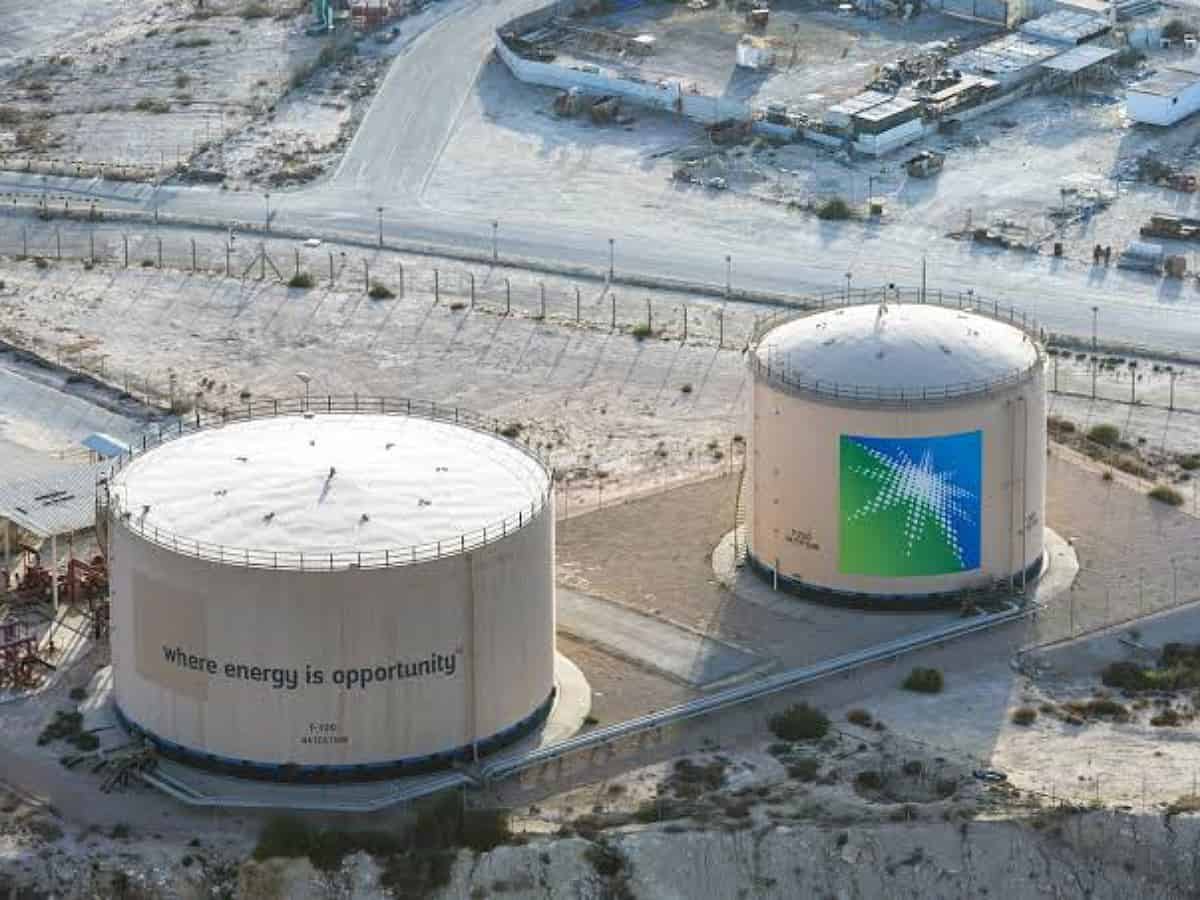
Saudi Aramco has declared that it will continue to suspend liquefied petroleum gas (LPG) shipments during the upcoming month due to damage sustained at its main export facilities in late February. This damage has disrupted supplies of this vital fuel, raising concerns among buyers worldwide.
According to informed sources, the state-owned company has notified buyers that shipments from the Al-Jubail terminal will remain suspended throughout May, while Aramco has refrained from commenting on this information. This move comes at a time when the global market is experiencing rising prices and increasing demand for alternative supplies.
Details of the Incident
Aramco's LPG exports have been halted since the collapse of a support structure at the facility before the onset of the war in the Middle East in February, leading to a rush among buyers seeking alternative supplies. Reports have indicated that the war has resulted in a near-total closure of the main export corridor through the Strait of Hormuz, causing a severe energy shortage in Asia and a crisis in LPG supplies in India, where it is widely used for cooking.
Some individuals have stated that Aramco informed certain buyers that it could not carry out the necessary repairs at Al-Jubail, meaning that even if the Strait of Hormuz were to reopen, there would be no deliveries next month. The company had mentioned on February 26 that scheduled shipments from Al-Jubail would be canceled, without providing further details.
Background & Context
Aramco is a major supplier of propane and butane, both of which are known as liquefied petroleum gas. The incident that occurred in February has caused significant disruption in the oil sector, with the Al-Jubail terminal accounting for approximately 3.5% of total seaborne LPG exports globally, according to analysts at Kpler.
The LPG processing and shipping facilities at Al-Jubail are located on the Arabian Gulf coast near the largest crude oil and petroleum products export terminal in Ras Tanura. These facilities have been subjected to fires during attacks amid the regional conflict, complicating the situation further.
Impact & Consequences
The LPG crisis is significantly affecting global markets, with buyers facing rising prices and supply shortages. The LPG shortage in India serves as an example of the negative impacts that may arise from this crisis, as many in the country rely on this fuel for cooking.
Pressure on energy supplies in the region is expected to continue, especially with ongoing regional tensions. This could exacerbate humanitarian crises in some countries, where populations depend on energy supplies to meet their basic needs.
Regional Significance
The LPG crisis is a critical issue affecting the Arab region, contributing to increased political and economic tensions. The continued suspension of shipments from Aramco may impact trade relations between Arab countries and importing nations.
In conclusion, the LPG crisis represents a significant challenge for many countries, requiring a swift and effective response to ensure supply stability and meet the needs of the population.