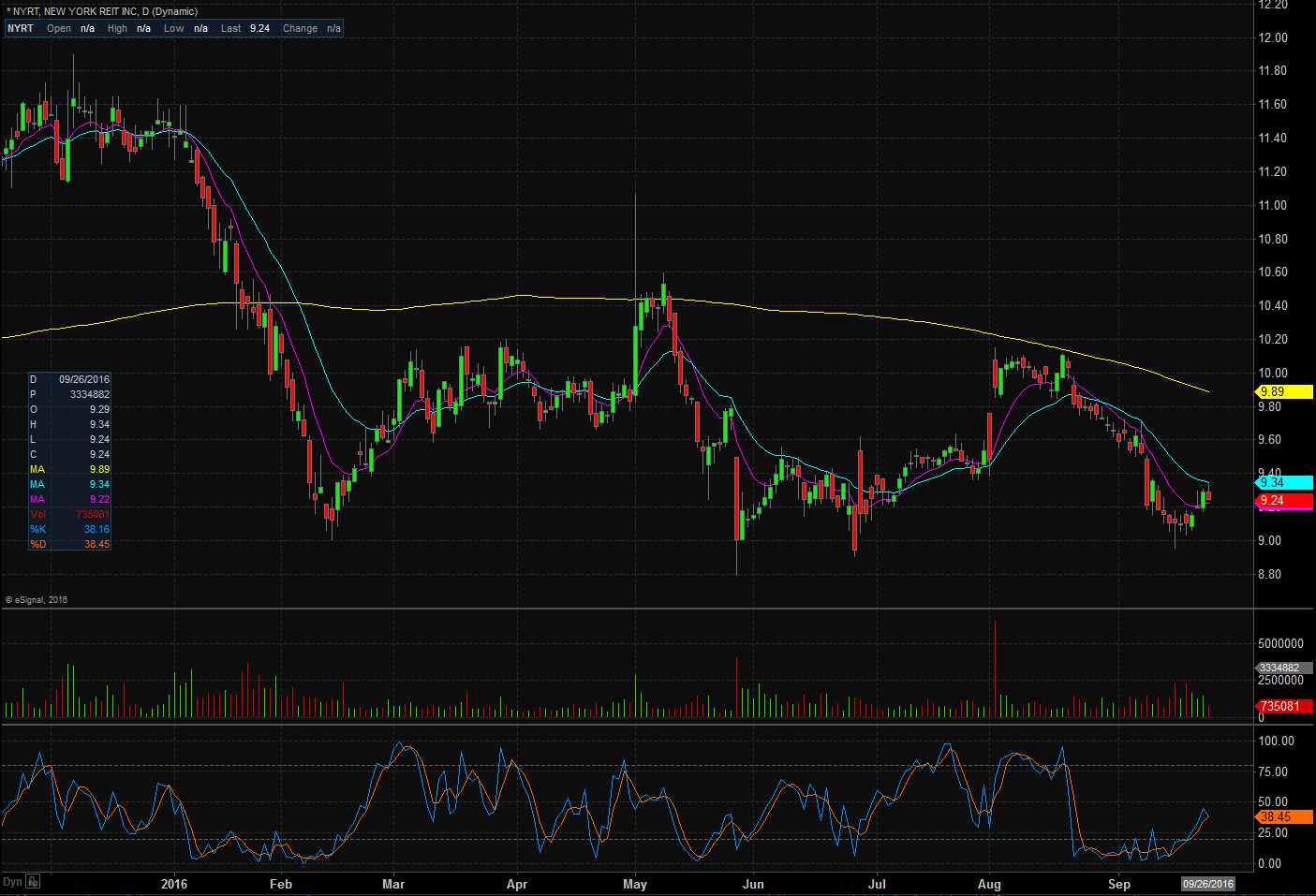
Shares of 4iG Nyrt, considered one of the key economic assets in Hungary, have experienced a sharp decline of 50%, prompting questions about the future of Prime Minister Viktor Orban after 16 years in office. This downturn comes at a sensitive time, as investors are closely watching for potential political changes in the country.
4iG Nyrt is one of the leading companies in the fields of telecommunications and defense and has long been regarded as an economic jewel during Orban's tenure. However, the significant drop in its stock price indicates that investors are beginning to prepare for the possibility of an end to Orban's rule, which, despite his popularity, faces increasing challenges.
Details of the Event
The shares of 4iG Nyrt have notably declined in recent days, losing value rapidly, which reflects investor concerns about the instability of the political situation in Hungary. This decline follows a period of sustained growth in stock prices, making it clear that there are changes in market expectations.
This company is a crucial part of Orban's economic strategy, with the government having invested heavily in developing the telecommunications and defense sectors. However, the drop in stock prices may be a sign that investors are losing confidence in the government's ability to maintain economic stability.
Background & Context
Viktor Orban has held the position of Prime Minister since 2010, during which he has implemented controversial economic policies, including enhancing the role of the state in the economy. These policies contributed to notable economic growth in the early years, but global and domestic economic challenges have begun to negatively impact the economic situation.
In recent years, Orban has faced increasing criticism from the opposition and the international community due to policies perceived as restrictive of freedoms. Such criticisms could lead to a loss of popular support, which would reflect on the stability of the government.
Impact & Consequences
The decline in 4iG Nyrt shares serves as a wake-up call for the Hungarian government, as it could lead to widespread economic consequences. If this trend continues, it may result in a decrease in both foreign and domestic investments, adversely affecting overall economic growth.
Furthermore, a loss of confidence in the government could lead to political unrest, as the opposition may seek to exploit this situation to strengthen its position. Should early elections occur, these dynamics could result in significant changes in the political landscape in Hungary.
Regional Significance
This situation in Hungary could have indirect effects on the Arab region, especially given the increasing economic and political relations between Arab countries and Europe. Political changes in Hungary may impact Arab investments in the region, as investors might hesitate to make investment decisions amid instability.
Moreover, the situation in Hungary could serve as a lesson for Arab countries facing similar challenges in governance and economic stability. It is essential for these countries to learn from European experiences to ensure their stability and sustainable growth.