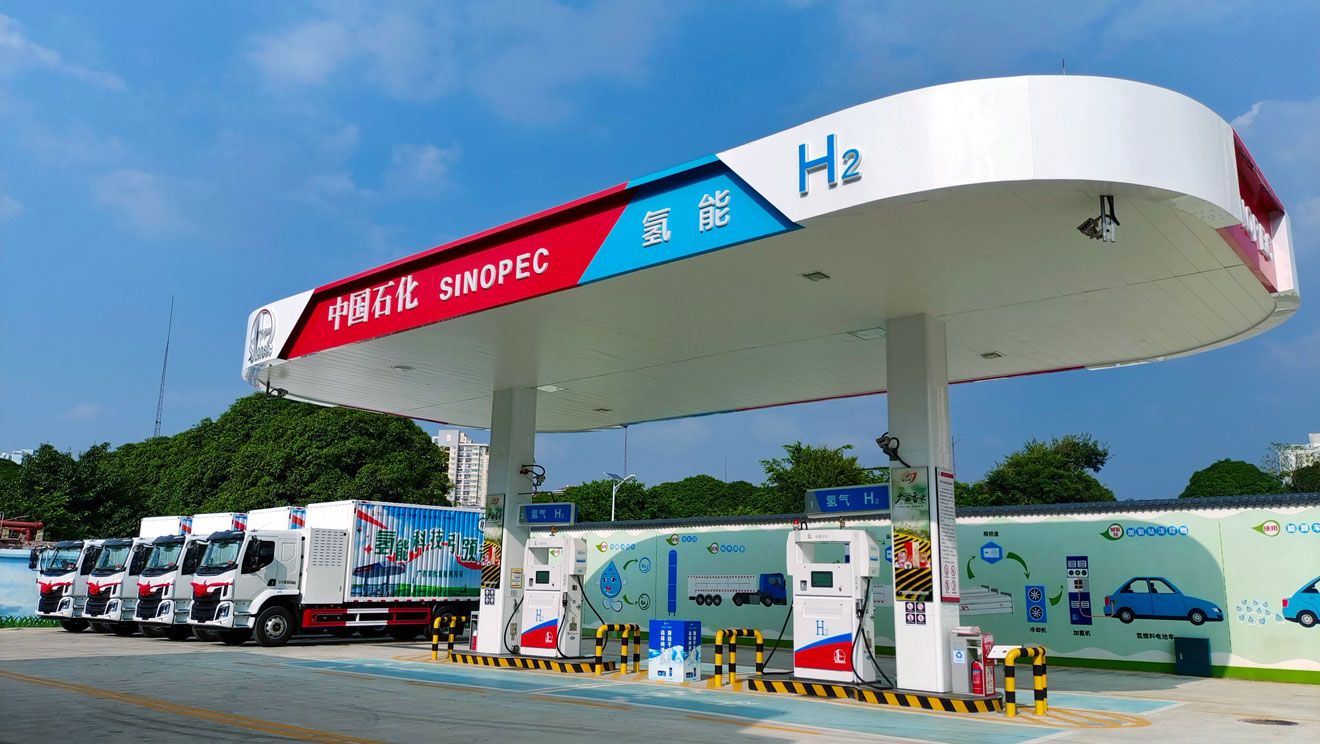
Sinopec, one of the world’s largest oil companies, recorded a significant decline in profits for 2025, revealing that the losses were more severe than anticipated. This downturn came amid weak fuel demand and oversupply in the chemical market, negatively impacting profit margins. Specifically, these pressures have contributed to reducing the economic viability of the company's operations and exposing it to more complex challenges.
This data coincides with reports concerning global market trends, where several reports indicated a decline in global fuel demand, alongside a growing shift towards renewable energy sources and the use of electric vehicles in major countries such as China and Europe. This transition is part of international strategies aimed at reducing harmful emissions, reflecting a positive environmental direction, but causing significant disruption in oil and chemical markets.
Sinopec was established in 2000, and since then, it has managed to strengthen its position as a champion in the oil and gas sector. However, current challenges may put the company in a more defensive position than ever before. Overall, estimates suggest that fuel demand will continue to decline in the short term, raising concerns among investors about potential further volatility that could deeply affect their investments.
This decline in Sinopec's profits should be seen as part of a bigger picture that reflects the global economy, which is undergoing a significant shift in economic power balances. Fluctuations in oil markets may also impact global prices, destabilizing emerging markets that heavily depend on oil exports. For instance, oil-producing countries in the Gulf may be profoundly affected by this decrease, as some of these countries might resort to cutting production to support prices, which could influence financial and social policies in those nations.
Moreover, China is one of the largest fuel consumers in the world, and this decline in fuel demand offers a window into how companies and nations are affected by climate and economic changes. The impacts are not limited to Sinopec as a leading company; they extend to all companies in the energy sector, whether traditional or renewable.
Ultimately, fluctuations in the oil market are tied to complex factors including technological and climatic shifts, alongside global economic policies. Consequently, this calls for investors and business leaders to carefully assess these trends to adapt to the future.
Additionally, this news carries significant implications for the Arab region, particularly for countries that heavily rely on oil exports. These nations should reconsider their economic strategies to reduce dependence on oil as a primary source of revenue and focus on diversification and investment in renewable energy sources as a sustainable alternative, reflecting a global trend towards environmental sustainability. Changes in the oil market can directly affect local economies, demanding a swift and effective response from decision-makers in the region.