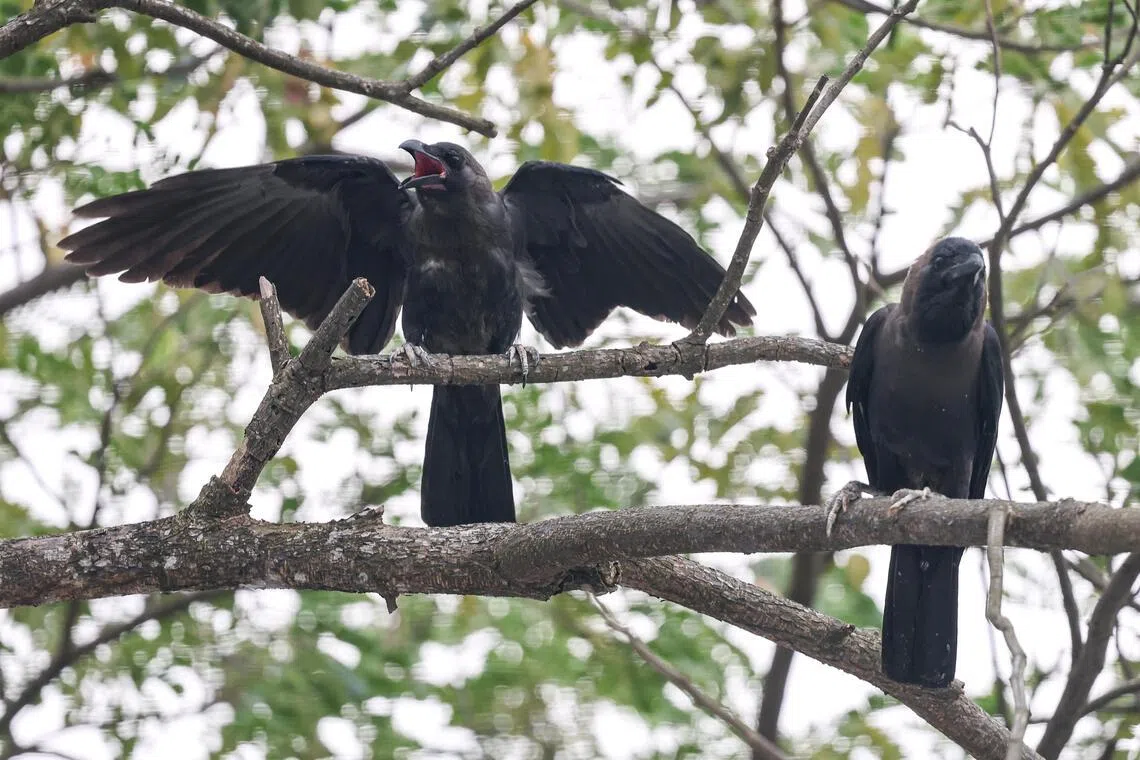
Singapore has experienced a notable increase in crow populations in recent years, with numbers rising by more than 20-fold in less than a decade, reaching 160,000 birds by 2024. This significant rise is causing concern among residents and local authorities, as these birds are considered a species that could negatively impact the environment and ecosystem of the country.
This increase in crow numbers comes at a time when worries are growing about their effects on other wildlife, as well as their potential impact on public health. Crows are known to be carriers of certain diseases, which underscores the importance of addressing this phenomenon seriously.
Details of the Event
Singapore is known for its rich biodiversity, but the large increase in crow numbers could lead to undesirable changes in the ecological balance. Studies have shown that these birds may compete with other bird species for food resources, threatening the survival of local species.
Local authorities have begun taking measures to control the rising numbers, launching awareness campaigns for citizens on how to deal with these birds, in addition to implementing programs to limit their breeding.
Background & Context
Historically, crows have been considered a part of Singapore's ecosystem, but the rapid increase in their numbers can be attributed to several factors, including the availability of food and resources in urban areas. Climate change is also believed to have contributed to the rise in these birds, as conditions have become more favorable for their reproduction.
Moreover, urban expansion in Singapore has led to the destruction of habitats for many other species, giving crows the opportunity to breed more extensively. This dynamic illustrates how human activities can impact ecological balance.
Impact & Consequences
Reports indicate that the increase in crow numbers could lead to negative effects on local agriculture, as they may cause crop damage. Additionally, a large population of crows could result in increased health costs, as these birds can be carriers of certain diseases.
On the other hand, this phenomenon may lead to changes in the behavior of local residents, as some may feel uneasy about the presence of these birds in residential areas. Therefore, addressing this issue requires a balance between environmental conservation and protecting community health.
Regional Significance
Although this phenomenon is occurring in Singapore, it raises questions about how environmental changes could affect ecosystems in Arab countries. With climate change and population growth, Arab nations may face similar challenges in managing wildlife.
Thus, it is crucial for Arab countries to adopt effective strategies for biodiversity conservation and to address environmental challenges sustainably.