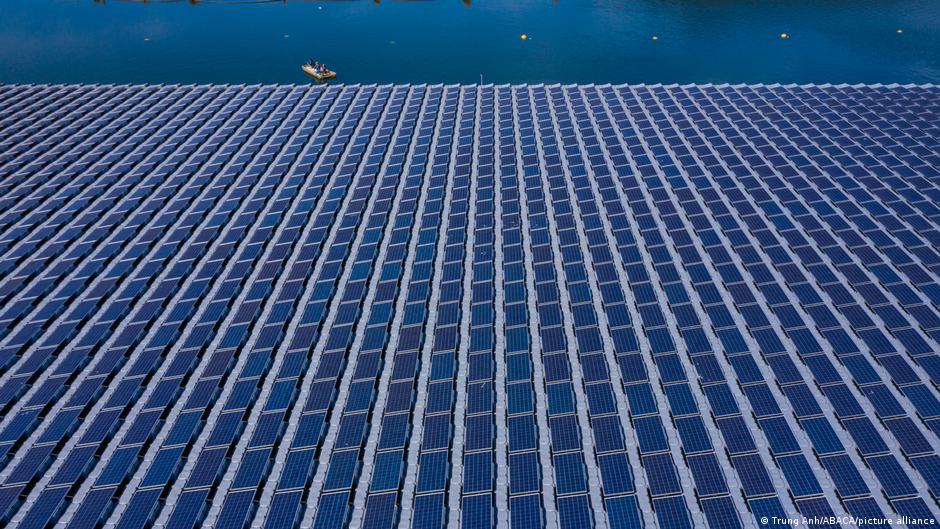
Solar energy has seen rapid growth in recent years, becoming the most efficient and cheapest source of energy globally. According to reports, solar energy has exceeded all expectations, with its global capacity rising from 228 gigawatts in 2015 to 759 gigawatts in 2020, and it is expected to reach 2919 gigawatts by 2025.
This growth reflects a significant shift in how energy is produced, as solar energy now accounts for approximately 10% of total global energy needs, surpassing nuclear energy, which represents 9%.
Details of the Event
China leads the list of countries in solar energy, having added 315 gigawatts of solar panels in 2025, bringing its total capacity to around 1300 gigawatts. Solar energy now contributes to 11% of total electricity in China, helping to reduce the share of polluting coal from 70% to 56%.
The European Union ranks second, with a capacity of 406 gigawatts, covering about 13% of the region's electricity needs. Meanwhile, the share of coal has dropped to 9%, down from a quarter of the energy produced in 2015.
Background & Context
Despite political challenges, the United States remains in third place in solar energy, with a capacity of 267 gigawatts, covering about 8% of its needs. India has also seen remarkable growth, reaching a capacity of 136 gigawatts, which represents 8% of its total electricity needs.
Forecasts indicate that solar energy will become the primary source of energy in the future, with global capacity potentially reaching 9000 gigawatts by 2030, meeting over 20% of global energy needs.
Impact & Consequences
Solar energy is now the most economical option, with production costs decreasing by up to 90%, making it the preferred choice in many regions. In some sunny areas, solar energy can be produced at a price as low as 1 euro cent per kilowatt-hour, while nuclear energy costs range from 14 to 49 euro cents.
This shift in energy sources has profound implications for how homes are heated and electric vehicles are powered, as solar energy supported by rooftop panels can provide savings of up to 80% compared to diesel or gasoline-powered cars.
Regional Significance
In the Arab region, many countries have immense potential to harness solar energy, especially in nations like the United Arab Emirates and Saudi Arabia, as these countries strive to achieve their renewable energy goals. Solar energy can help reduce reliance on fossil fuels and promote environmental sustainability.
In conclusion, the rapid growth of solar energy signifies a radical shift in the global energy landscape, opening new horizons for sustainability and innovation in the energy sector.