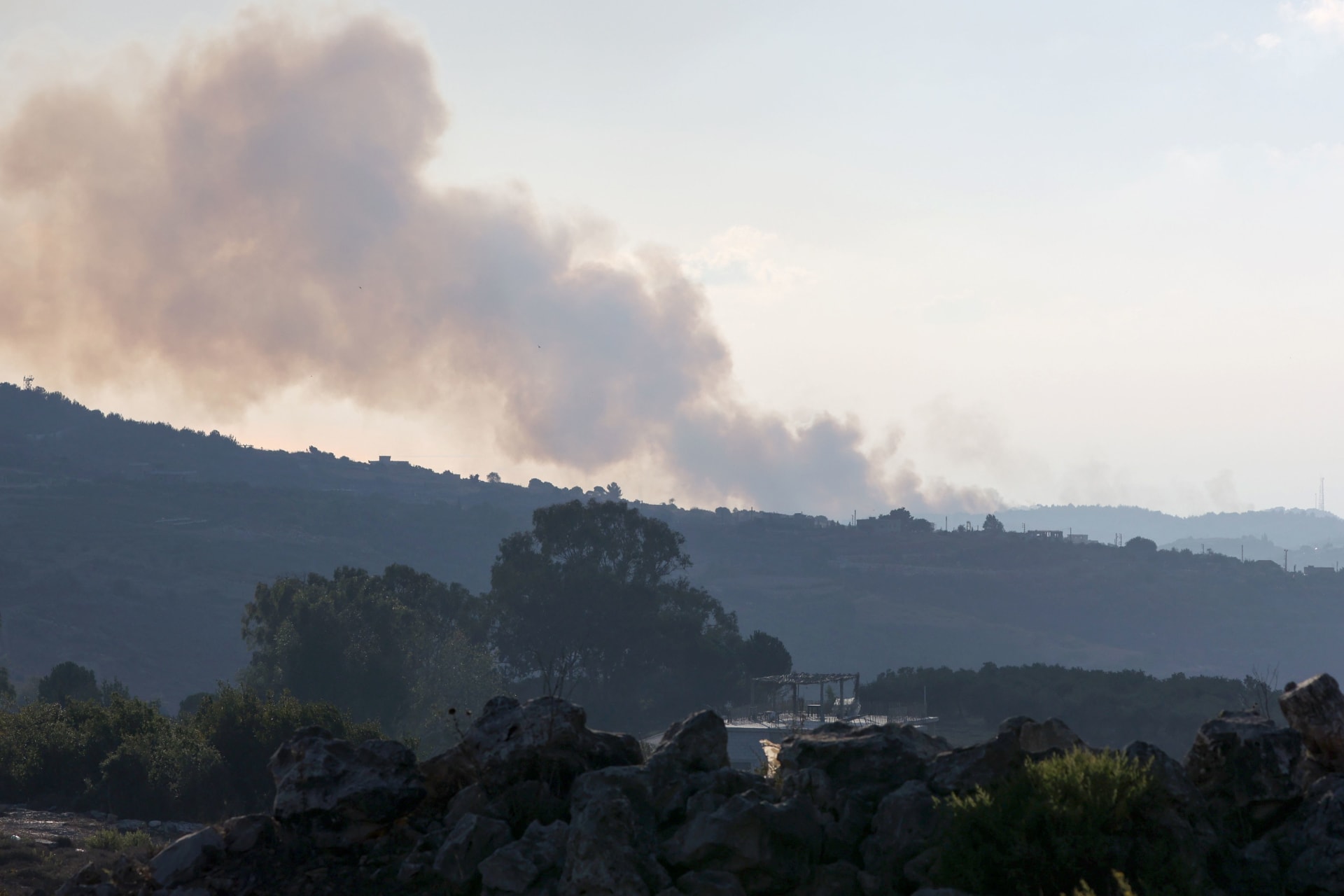
Military sources reported the death of a Lebanese soldier and injuries to two officers and two other soldiers from Battalion 77 due to an anti-tank missile strike during ongoing clashes in southern Lebanon.
This incident comes at a time when tensions in the region are escalating, with repeated clashes reported along the Lebanese-Israeli border between Lebanese forces and armed groups. Hostilities have reportedly increased in recent days, raising concerns about a larger escalation that could impact regional security.
Details of the Incident
The incident occurred in southern Lebanon, where Battalion 77 was on high alert due to rising tensions. An armed group targeted the Lebanese soldier with an anti-tank missile, resulting in one death and four injuries. This incident reflects the fragile security situation in the area and indicates a rise in violence.
Battalion 77 is part of the Lebanese Armed Forces, which plays a vital role in maintaining security and stability in the southern regions. However, the challenges it faces are increasing, particularly with the presence of armed groups posing a direct threat to Lebanese security.
Background & Context
Historically, southern Lebanon has experienced ongoing tensions, especially since the 2006 war between Hezbollah and Israel. Since then, UN peacekeeping forces have been deployed in the area, but tensions have not completely dissipated. Armed groups are present in the region, complicating the security situation further.
These events intersect with broader regional conflicts, where external powers play a role in fueling disputes. The situation in Lebanon reflects the challenges faced by many Arab countries amid political and economic crises.
Impact & Consequences
This incident could lead to heightened tensions between Lebanon and Israel, increasing the risk of a new conflict in the region. Additionally, the continuation of violence may negatively impact internal stability in Lebanon, which is already grappling with severe economic and political crises.
Concerns are growing that these events could have repercussions for regional security, as external powers may exploit the situation to enhance their influence in the area. The escalation of violence could lead to an influx of more refugees into neighboring countries, increasing pressure on those nations.
Regional Significance
The events in southern Lebanon are part of a larger picture of conflicts in the Arab region, where political and economic crises intersect with military tensions. The ongoing violence in Lebanon could affect neighboring countries, such as Syria and Palestine, which are also suffering from their own conflicts.
Moreover, the situation in Lebanon could impact relations between Arab countries, as some nations may take supportive or opposing stances toward the events, further deepening divisions in the region.
In conclusion, the events in southern Lebanon remain under scrutiny, as the international community looks for lasting solutions to recurring crises. The current escalation highlights the urgent need for dialogue and understanding among all parties involved.