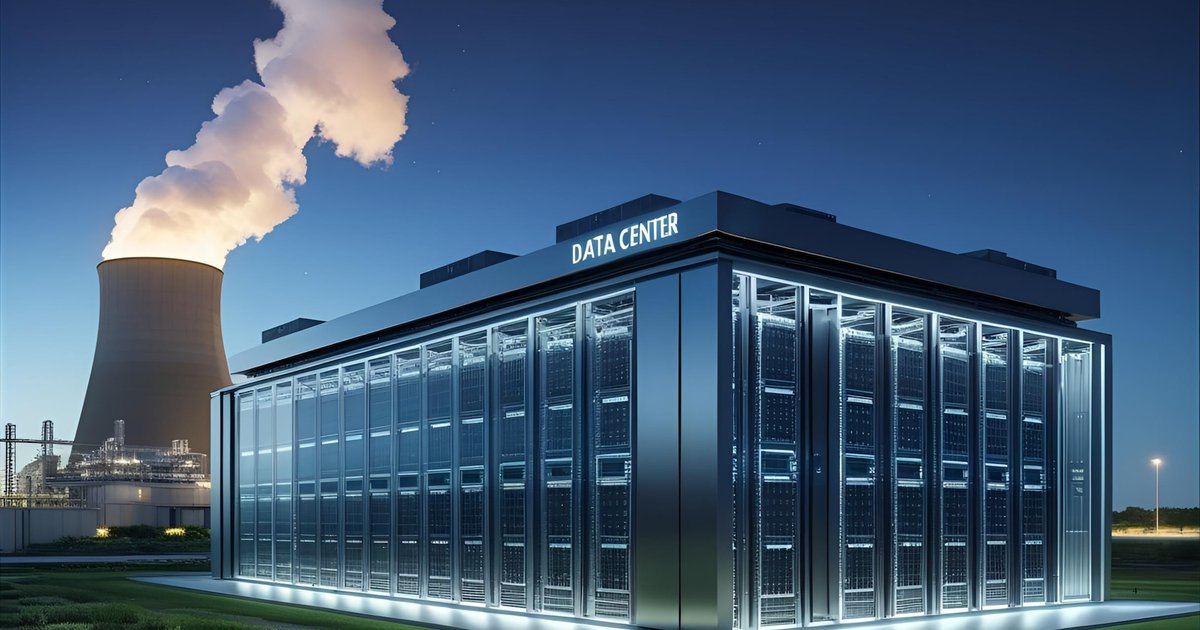
Southeast Asian nations are reassessing their nuclear energy plans to meet the energy demands of AI data centers, following disruptions in power supplies due to the conflict in Iran. This shift comes as pressure on traditional energy sources increases.
The need for energy in the region is growing, with investments in AI technologies requiring substantial power to operate data centers. The conflict in Iran has led to fluctuations in energy prices, prompting many countries to consider alternative options such as nuclear energy.
Nuclear Energy Plans in Southeast Asia
Nuclear energy is an attractive option for many Southeast Asian countries as they seek to achieve sustainability in their energy supplies. Reports indicate that some nations, such as Vietnam and Thailand, have already begun reevaluating their previously suspended nuclear projects.
These plans involve constructing new nuclear reactors, with hopes of balancing economic growth and environmental preservation. As energy demand rises, it has become essential to find reliable and sustainable energy sources.
Background & Context
Historically, nuclear energy has been a controversial topic in many Southeast Asian countries. The region has experienced past nuclear incidents, leading to concerns about the risks associated with nuclear power. However, climate change and pressure on traditional energy sources have prompted many nations to reconsider this option.
In recent years, the region has seen an increase in investments in renewable energy, but with the rising demand for energy, nuclear power may become a crucial part of the energy mix in the future.
Impact & Consequences
This move towards nuclear energy represents a significant shift in energy policy in the region. These plans could enhance energy supplies and reduce reliance on fossil fuels, contributing to the achievement of sustainable development goals.
However, this transition comes with substantial challenges, including the need to build robust infrastructure and provide necessary training for personnel. Countries must also address public concerns related to nuclear safety.
Regional Significance
Considering the situation in the Arab region, these developments in Southeast Asia could serve as an important lesson. Many Arab countries face similar energy challenges, and it may be beneficial to explore nuclear energy options as part of their future strategies.
In conclusion, the reevaluation of nuclear energy in Southeast Asia represents a bold step towards achieving sustainability in energy supplies. With increasing energy demand, it may also be necessary for Arab nations to explore new options to ensure energy security in the future.