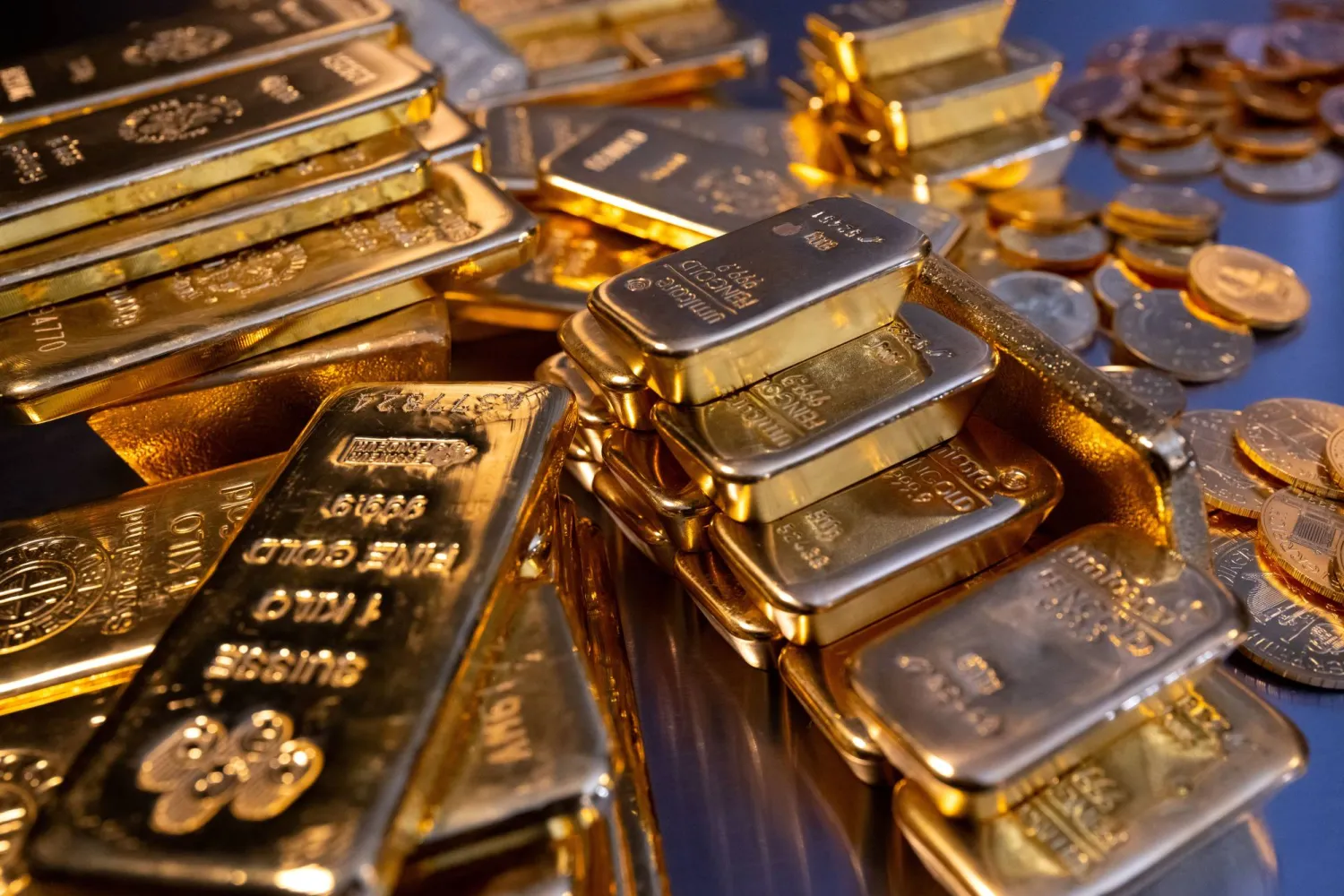
Gold prices stabilized during trading on Monday, recovering some of their early losses, supported by a limited decline in the dollar. This stability comes at a time when investors are looking for any signs of tangible progress in the stalled peace talks between the United States and Iran.
Gold was recorded at $4,707.75 per ounce in spot transactions, after earlier in the session it had dropped by about 0.8%. This stability follows a week in which the yellow metal ended a four-week winning streak, having fallen by 2.5%. Meanwhile, US gold futures reached $4,720.50 per ounce.
Event Details
Gold received additional support following reports that Iran had presented a new proposal to the United States, through Pakistani mediation, aimed at reopening the Strait of Hormuz and ending the two-month-long war. In response, US President Donald Trump stated that Iran could reach out by phone if it wanted to negotiate, reiterating his refusal to allow Tehran to possess nuclear weapons.
Amid the stalled peace talks, disruptions in energy exports from the Middle East continued, driving oil prices higher. The rising fuel costs add inflationary pressures by increasing transportation and production costs, which enhances the likelihood of tightening monetary policy and raising interest rates.
Background & Context
Gold prices are an important indicator of the global economy, as its price is closely linked to fluctuations in the US dollar. The recent decline in the dollar has contributed to enhancing gold's appeal as a safe haven for investors. Additionally, geopolitical tensions, such as the dispute between the United States and Iran, play a significant role in determining gold prices.
Historically, gold prices have experienced significant fluctuations during times of economic or political crises, as investors turn to the yellow metal as a means of preserving their wealth. This makes monitoring developments in US-Iran talks vital for investors in global markets.
Impact & Consequences
Market attention is currently focused on the upcoming Federal Reserve decision on Wednesday, which will determine the course of future monetary policy. Analysts expect this decision to have a significant impact on gold prices, as keeping interest rates unchanged could increase demand for the yellow metal.
At the same time, forecasts indicate that any escalation in tensions between the United States and Iran could lead to increased demand for gold as a safe haven, potentially driving its prices up. Therefore, any progress in the talks or new developments could significantly impact financial markets.
Regional Significance
Gold prices are an important indicator for Arab economies, as many countries rely on gold exports as a primary source of revenue. Any fluctuations in gold prices could affect economic stability in these countries, especially amid the political and economic crises faced by some Arab nations.
Moreover, rising gold prices could lead to increased living costs in Arab countries, impacting citizens' purchasing power. Thus, monitoring gold price developments remains vital for citizens and decision-makers in the region.
In conclusion, gold remains one of the most important assets monitored by investors amid economic and political changes. As tensions in the Middle East continue, gold prices will remain under scrutiny, with investors looking for any signals that may affect the market.