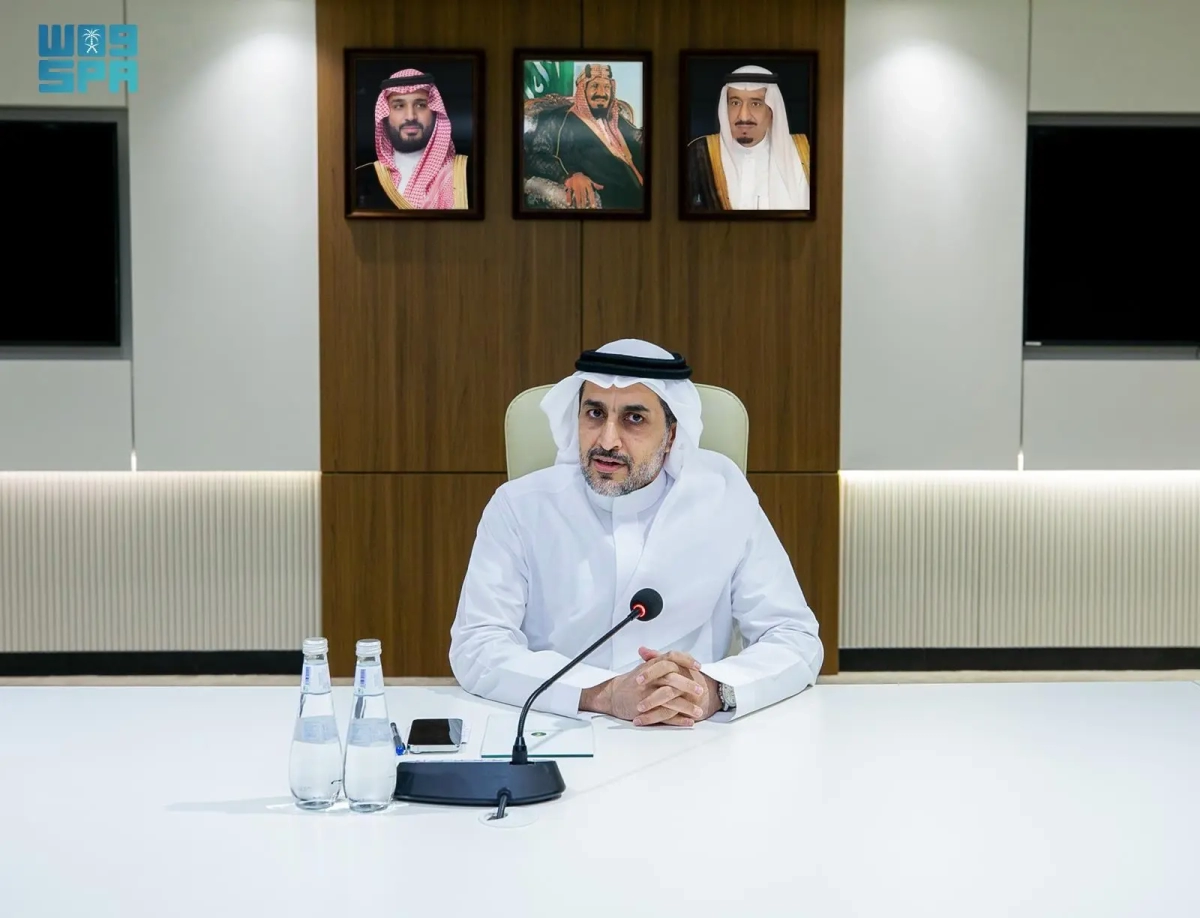
Engineer Mansour Al-Mushaiti, Deputy Minister of Environment, Water, and Agriculture in Saudi Arabia, confirmed the stability of supply chains in the poultry sector, which helps meet the increasing demand for poultry meat and its products. He noted that production in the Kingdom has seen significant leaps, with expectations that production will exceed 1.5 million tons, achieving a self-sufficiency rate of over 76%, thereby enhancing food security and supporting the national economy.
These statements came during a meeting held at the ministry's headquarters, where the status of inventory and expected production for the poultry sector in the upcoming period, including the Hajj season, was reviewed. Representatives from the General Food Security Authority, the National Committee for Poultry Producers, and the National Committee for Feed Manufacturers in the Saudi Chambers of Commerce attended the meeting.
Details of the Meeting
Al-Mushaiti stated that the results of the meeting and discussions provided reassurance regarding the production of poultry meat and its products, ensuring sufficient quantities to meet the increasing demand and guaranteeing stability in quality and prices for consumers, especially during the Hajj season. He explained that the consumption of poultry meat and its products doubles during this period, necessitating increased efforts from the ministry and relevant authorities to boost production and ensure product availability for consumers.
He also pointed out that the ministry's plans and the establishment of several model poultry projects in various regions have contributed to the abundance of fresh products, including meat and eggs, and the stability of prices in the markets. He affirmed that the initiatives and programs launched to support local feed producers have led to increased local investments in the poultry feed sector, contributing to its availability and enhancing overall poultry production.
Background & Context
The poultry sector in Saudi Arabia is considered a vital sector that plays an important role in achieving food security. In recent years, there has been notable development in this sector, with the implementation of numerous developmental projects aimed at increasing production and improving quality. Additionally, Saudi Vision 2030 prioritizes food security, reflecting the importance of this sector in achieving sustainable development.
Historically, Saudi Arabia relied heavily on importing poultry meat, but with significant investments in this sector, the Kingdom has become capable of achieving self-sufficiency and increasing local production. This transformation reflects the government's commitment to enhancing food security and reducing reliance on imports.
Impact & Consequences
The abundance of poultry products in the Saudi market is a positive sign that reflects the success of agricultural and environmental policies. This progress not only helps meet local market needs but also enhances the Kingdom's ability to face global economic challenges. Furthermore, price stability and product quality contribute to boosting consumer confidence.
This development is expected to have a positive impact on the national economy, as it will create new job opportunities and increase investments in this sector. Additionally, enhancing local production will help reduce reliance on imports, thereby strengthening the Kingdom's ability to achieve food independence.
Regional Significance
Saudi Arabia's experience in enhancing the poultry sector serves as a model for the Arab region. With increasing challenges related to food security in many Arab countries, the Saudi experience can inspire other nations seeking to achieve self-sufficiency in this field. Cooperation among Arab countries in exchanging expertise and best practices can contribute to strengthening regional food security.
In conclusion, the poultry sector in Saudi Arabia exemplifies success in achieving developmental goals and reflects the government's commitment to enhancing food security and supporting the national economy.