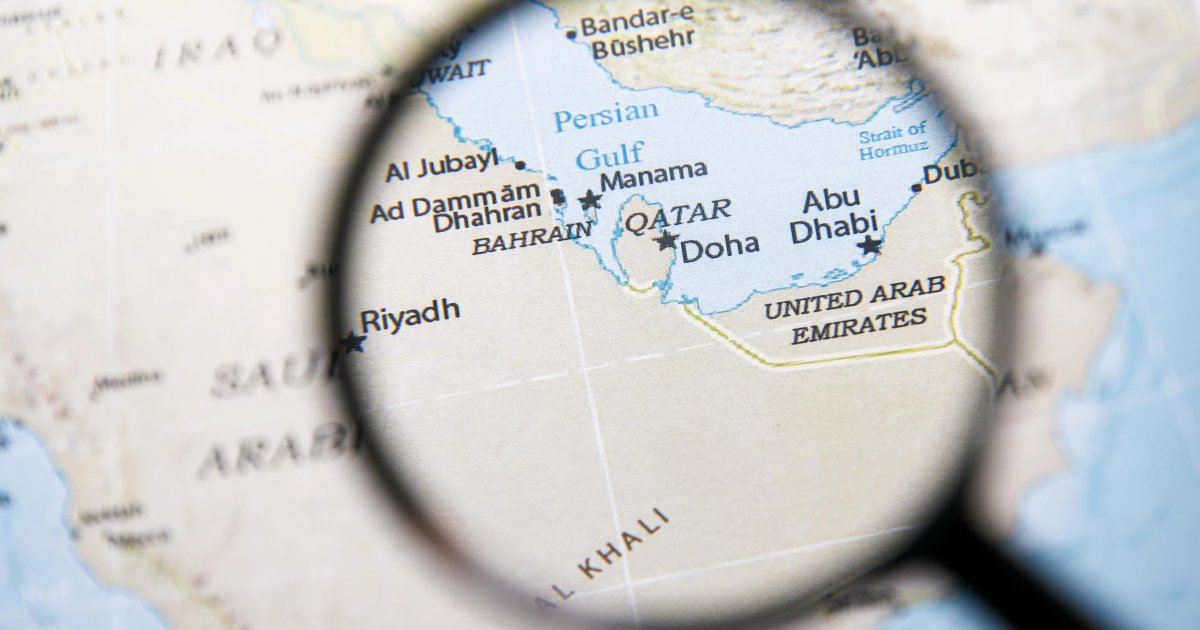
The escalation of conflict in Iran has halted helium production in Qatar, jeopardizing global supply chains in the technology sector. This development comes at a critical time as many industries rely on helium for manufacturing processes, which could exacerbate crises in global markets.
Qatar is considered one of the largest helium producers in the world, significantly contributing to meeting global market needs. However, the ongoing conflict in Iran has directly impacted production operations, raising concerns among companies that depend on this rare gas.
Details of the Event
The cessation of production in Qatar comes at a time when the world is witnessing an increase in demand for helium, particularly in technology and medical fields. Helium is used in various applications, including semiconductor manufacturing, MRI machines, and even in balloons. With production halted, companies may face difficulties in obtaining this vital material.
It is noteworthy that the conflict in Iran has exacerbated economic conditions in the region, affecting market stability. Reports have indicated that many companies have begun searching for alternatives to helium, but the available options may not be sufficient to meet the rising demand.
Background & Context
Historically, Qatar has played a pivotal role in the global helium market, possessing significant reserves of natural gas that is converted into helium. However, regional conflicts, including tensions with Iran, have affected Qatar's ability to maintain production levels. In recent years, the region has seen an escalation in armed conflicts, impacting investments and business operations.
In 2020, reports indicated that Qatar was seeking to increase its helium production, but geopolitical challenges have hindered these plans. As the conflict in Iran escalates, the situation has become more complicated, raising concerns about negative impacts on the Qatari and regional economies.
Impact & Consequences
The halt of helium production in Qatar could lead to price increases in global markets, affecting companies that rely on this material. Businesses may be forced to seek alternative sources, which could raise production costs and impact the final prices of products. Additionally, this situation may delay advanced technology projects, affecting innovation and growth in this sector.
Moreover, the repercussions may extend to other industries, such as aviation and medicine, both of which rely on helium for manufacturing and operational processes. This could exacerbate economic crises in countries dependent on these industries, increasing pressures on governments and companies.
Regional Significance
The cessation of helium production in Qatar may have widespread implications for the Arab region. With escalating conflicts in Iran, trade relations between Arab countries and Iran may be affected, increasing economic tensions. Neighboring countries to Qatar may face challenges in obtaining helium, impacting their local industries.
Ultimately, Arab nations must take proactive steps to ensure the stability of supply chains amid these challenges. Regional cooperation may be key to addressing potential economic crises, helping to foster stability and growth in the region.