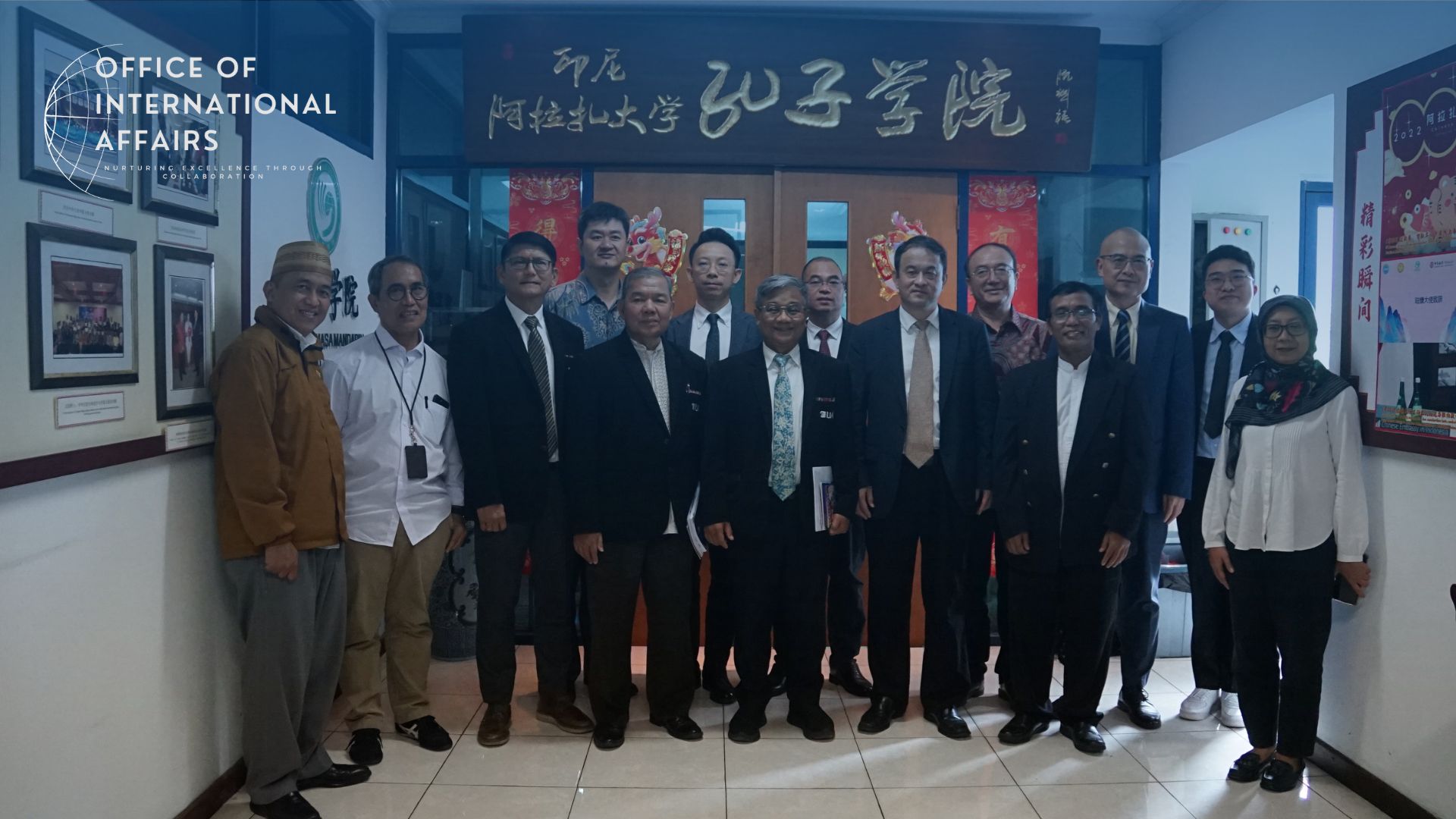
In a strategic move aimed at enhancing cooperation between academia and industry, Professor Heri Hermansyah, President of the University of Indonesia, led an academic delegation on a visit to the Shenzhen Chamber of Commerce in China. This visit is part of the university's efforts to promote innovation and develop human competencies capable of competing in the global market.
During this visit, Hermansyah expressed hope that this partnership would contribute to creating applied innovations that strengthen economic and educational relations between Indonesia and China. He emphasized the importance of collaboration between the two sides in developing research projects that meet market needs.
Event Details
Professor Hermansyah noted that the Shenzhen Chamber of Commerce showed great willingness to cooperate with the University of Indonesia, where it was agreed to accelerate cooperation in multiple areas, including innovation and talent development. The importance of joint efforts in achieving sustainable development goals was also emphasized.
For his part, Leo Haijing, President of the Shenzhen Chamber of Commerce, confirmed that this visit represents a starting point for enhancing cooperation between academia and industry. He explained that the chamber aims to develop an integrated platform based on digital transformation, facilitating collaboration between companies and universities.
Background & Context
The University of Indonesia is considered one of the leading universities in the country, enjoying a strong reputation in scientific research. On the other hand, Shenzhen is an important technological hub in China, hosting many leading companies in technology and innovation. This collaboration between the two sides represents a step towards strengthening bilateral relations between Indonesia and China in the fields of education and technology.
Historically, relations between Indonesia and China have seen significant development, with many economic and trade agreements signed in recent years. This academic collaboration is part of these efforts aimed at enhancing ties between the two countries.
Impact & Consequences
This cooperation is expected to contribute to enhancing innovation in Indonesia, helping to develop new products and services that meet market needs. Additionally, strengthening relations between academia and industry will help improve the quality of education and develop the skills necessary to face global market challenges.
Moreover, this collaboration may open new horizons for students and researchers in Indonesia, facilitating their access to training and job opportunities in Chinese companies. This step could lead to increased job opportunities and improve the economic situation in the country.
Regional Significance
Many Arab countries are seeking to enhance academic and industrial cooperation with major countries like China. The experience of the University of Indonesia can serve as a model in this context, where Arab countries can benefit from collaboration with China in the fields of technology and innovation.
In light of the economic challenges facing many Arab countries, enhancing cooperation with China can contribute to developing local economies and opening new markets. This collaboration may also help in the exchange of knowledge and experiences between Arab countries and China, enhancing the ability of Arab nations to compete in the global market.