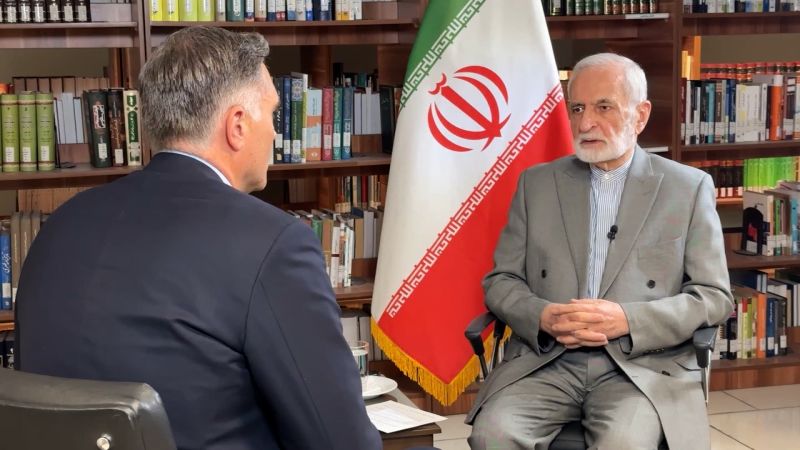
In recent statements, former Iranian Foreign Minister Kamal Kharrazi emphasized the importance of enhancing Iranian relations with Arab countries. These remarks come at a critical time as the region undergoes significant transformations.
Kharrazi, who currently serves as the head of the Iranian Foreign Relations Council, pointed out that his country aims to build strong relationships with its Arab neighbors as part of a strategic vision aimed at achieving stability in the region. He also stressed the necessity of dialogue and understanding among nations, emphasizing that Iran does not seek dominance but rather mutual cooperation.
Details of the Event
During his talk, Kharrazi addressed a range of regional issues affecting relations between Iran and Arab countries. He noted that the current tensions in the region, including conflicts in Syria and Yemen, require all parties to work together to achieve peace and stability. He also called for overcoming historical differences and focusing on common interests.
Kharrazi also touched upon Iran's role in supporting resistance causes in Palestine and Lebanon, affirming that this support comes within the framework of defending the rights of oppressed peoples. He clarified that Iran considers itself part of the resistance axis, which seeks to confront the challenges facing the region.
Background & Context
Historically, Iranian-Arab relations have witnessed numerous fluctuations, influenced by various political and economic factors. In recent years, tensions have escalated due to regional conflicts, leading to a widening gap in perspectives between Iran and Arab countries. However, there are increasing efforts from some Arab states to rebuild relations with Iran, especially in light of the geopolitical changes occurring in the region.
Kharrazi's remarks come at a time when Iranian-Saudi relations are showing noticeable improvement, with several meetings announced between officials from both countries. These meetings represent a positive step towards improving relations between Iran and Arab states and may help alleviate tensions in the region.
Impact & Consequences
If progress is made in Iranian-Arab relations, it could have a significant impact on regional stability. Cooperation between Iran and Arab countries could contribute to addressing many unresolved issues, such as armed conflicts and humanitarian crises. Furthermore, improving relations could open the door to joint economic projects, benefiting all parties involved.
However, challenges remain, as external forces seek to destabilize the region. Therefore, the success of these efforts depends on the political will of all parties involved.
Regional Significance
Improving Iranian-Arab relations could have positive effects on the entire region. If these efforts succeed, it could lead to enhanced security and stability, contributing to better living conditions for the peoples of the region. Additionally, cooperation among nations could help address the economic and social challenges they face.
In conclusion, Kharrazi's statements represent an important step towards enhancing dialogue between Iran and Arab countries. If diplomatic efforts are adhered to, there is potential for tangible progress in relations, benefiting all parties involved.