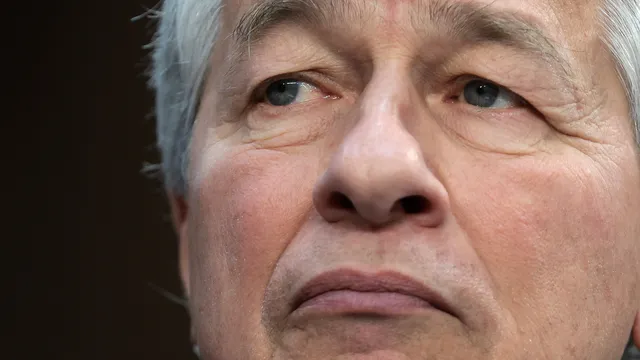
In a message directed to shareholders on Monday, Jamie Dimon, the CEO of JPMorgan Chase, asserted that the United States is facing challenges that require it to 'strengthen its power' to maintain its status as a superpower in military and economic domains. This statement comes at a time when the country is experiencing significant shifts in the global economy and increasing competition from other nations.
Dimon, regarded as one of the most prominent figures in the financial world, indicated that the bank intends to invest more than $1 trillion in projects aimed at boosting economic growth and creating job opportunities. This substantial investment reflects the bank's commitment to supporting the American economy in the face of rising global challenges.
Event Details
In his message, Dimon elaborated that the challenges facing the United States include changes in the global economy and heightened competition from countries like China. He emphasized the importance of investing in infrastructure and technology to enhance the competitiveness of the United States. He also called for the necessity of strengthening education and vocational training to ensure the availability of essential skills in the labor market.
Dimon also addressed potential risks that could impact the American economy, such as inflation and geopolitical disruptions. He affirmed that the bank's investment in various projects would help bolster long-term economic stability.
Background & Context
Historically, the United States has been considered the leading economic and military power in the world, but in recent years, signs of a decline in this dominance have begun to emerge. Increasing competition from nations like China and Russia, along with internal challenges such as poverty and inequality, have become real threats.
The United States is seeking to reaffirm its strength through new strategies that include enhancing innovation and investing in education and technology. These strategies aim to ensure that the United States remains at the forefront in a rapidly changing world.
Impact & Consequences
Dimon's call to strengthen American power could lead to significant changes in economic policies. If the government responds to this call, we may witness an increase in investments in infrastructure and technology, which could contribute to the creation of new job opportunities and an improved standard of living.
However, there are concerns that focusing on military strength may lead to a reduction in investments in social areas such as education and healthcare, which could negatively impact American society.
Regional Significance
In light of these developments, American policies may have direct effects on the Arab region. Strengthening American military power could lead to increased tensions in conflict areas, while the bank's investments in the American economy may reflect new economic trends affecting trade relations with Arab countries.
Additionally, bolstering the American economy could contribute to the stability of global markets, benefiting Arab nations that rely on international trade.
In conclusion, Jamie Dimon's call to strengthen American power represents an important step in the context of current global challenges. The United States must adopt comprehensive strategies that ensure it maintains its status as a superpower while addressing the internal and external challenges it faces.