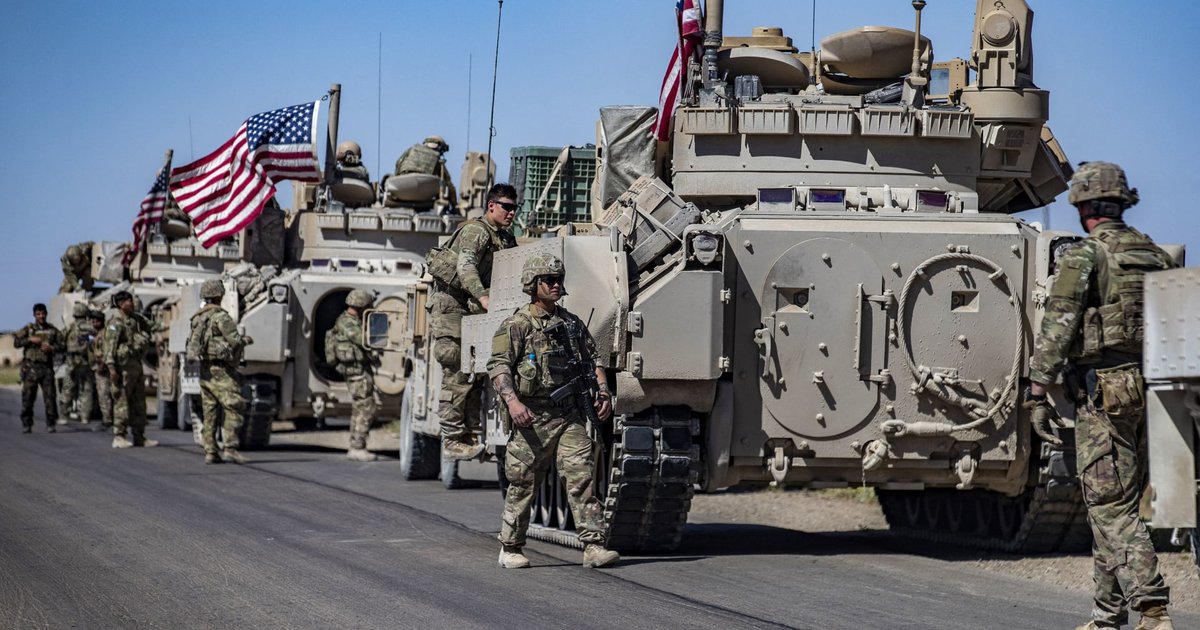
The United States is moving towards enhancing its military forces in the Middle East, raising questions about its intentions to escalate against Iran. Despite current efforts to open a diplomatic path, reports indicate that this deployment could be a precursor to potential military operations, including the seizure of the strategically important Khark Island and the Strait of Hormuz.
Information suggests that potential military scenarios range from limited operations to seize Khark Island, which handles 90% of Iran's oil exports, to executing special military operations within Iranian territory. These plans, according to Time magazine, could serve as a warning message to Tehran, indicating Washington's seriousness regarding its military options.
Details of the Deployment
The US military is preparing to deploy thousands of Marines, with approximately 2,200 soldiers from the 31st Marine Expeditionary Unit expected to arrive in the region. An additional 2,500 soldiers from the same unit are anticipated to arrive aboard the warship USS Boxer. Furthermore, there are plans to deploy a combat brigade from the 82nd Airborne Division, reflecting a high level of readiness for rapid intervention.
These units consist of ground combat elements, armored vehicles, and artillery, enhancing the United States' capability to conduct complex military operations. Marine units have been used in previous invasions, such as the invasions of Afghanistan and Iraq, highlighting their expertise in amphibious operations.
Background & Context
This reinforcement comes at a time when US President Donald Trump is focusing on reopening the Strait of Hormuz, a vital artery for global oil trade. Reports suggest that the seizure of Khark Island could be part of a broader strategy to pressure the Iranian government, despite the high risks associated with such actions.
While Khark Island is significant, controlling it may not be sufficient to alter Iran's calculations, which has shown strong resistance to external pressures. There are also concerns that Iran may resort to targeting critical infrastructure in Gulf states, potentially leading to a significant spike in oil prices.
Impact & Consequences
If these plans are executed, they could lead to a significant escalation in tensions between the United States and Iran, threatening regional stability. In the event of conflict, US forces may find themselves facing fierce resistance, as the Iranian military is believed to be prepared for any ground war.
Some analyses predict that any comprehensive military intervention could lead the United States into a new quagmire, where the conflict could turn into a long-term war, similar to the experience in Iraq. Additionally, Iran's terrain may complicate the execution of successful military operations, raising questions about the feasibility of these plans.
Regional Significance
Arab countries are directly affected by any military escalation in the region, as this could destabilize Gulf states. The rise in oil prices due to conflict may negatively impact Arab economies, which heavily rely on oil exports.
In conclusion, developments in the Middle East remain under close scrutiny, as any miscalculated steps could have dire consequences for the entire region.