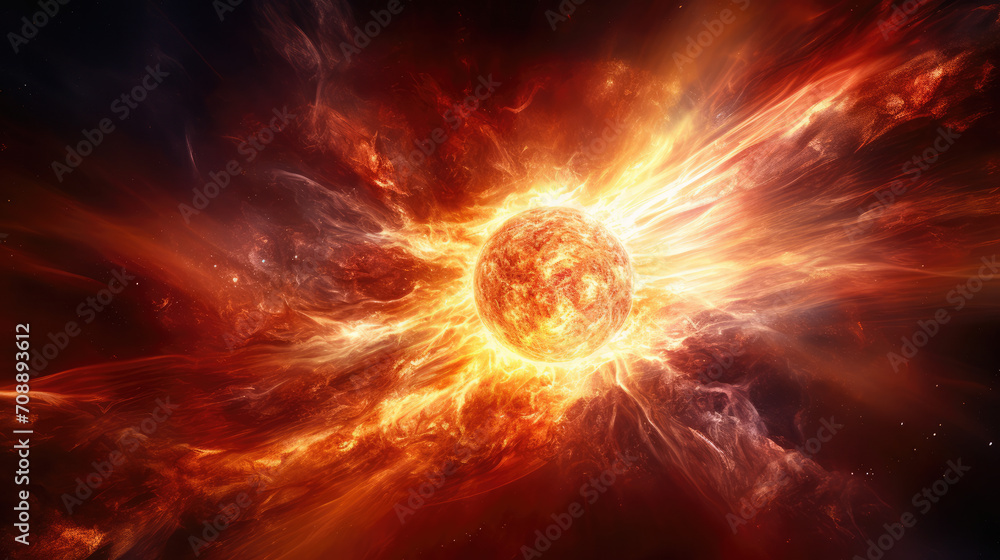
Today, Earth is witnessing a rare astronomical event characterized by a strong magnetic storm resulting from an unprecedented solar flare. A massive plasma cloud and solar emissions have been detected heading towards our planet, raising concerns among scientists and space specialists.
The magnetic storm, classified as a level two event, may affect communication systems and satellites, in addition to the possibility of natural phenomena such as auroras in certain regions. Scientists have indicated that these phenomena occur due to increased solar activity, which can have far-reaching effects on Earth.
Details of the Event
According to reports from the Global Meteorological Organization, the solar flare that occurred yesterday released a massive plasma cloud into space, leading to increased magnetic activity around Earth. Radiation levels in space have been measured, recording unusual levels of activity, indicating that the magnetic storm may lead to noticeable effects on modern technological systems.
The current magnetic storm is the result of a complex interaction between solar winds and Earth's magnetic field. Pilots and navigators have been warned of potential communication risks, as these storms can lead to signal disruptions.
Background & Context
Historically, Earth has experienced many strong magnetic storms, some dating back decades. For instance, in 1989, a magnetic storm caused a power outage in Quebec, Canada. Solar activity increases periodically every 11 years, suggesting that we may witness more of these phenomena in the near future.
These storms are part of the solar activity cycle, which affects the climate and the environment around us. As reliance on modern technology increases, understanding these phenomena becomes more critical to ensure the safety of technological systems.
Impact & Consequences
The potential impacts of the magnetic storm include communication disruptions, deterioration of satellite performance, and increased radiation exposure risks. It may also affect aviation navigation systems, necessitating additional precautions by airlines.
Moreover, these phenomena could lead to an increase in auroras, which can be a spectacular sight for many people in regions close to the poles. However, the negative impacts on technology could be more severe, warranting close monitoring by scientists.
Regional Significance
For the Arab region, the magnetic storm may affect communication and internet systems, especially in countries that heavily rely on satellites. There are also concerns about impacts on aviation services, which may require precautionary measures from the relevant authorities.
At the same time, these phenomena could serve as an opportunity to raise awareness about the importance of monitoring solar activity and its effects on daily life. Arab countries should enhance their research in this field to ensure preparedness for any future challenges.
In conclusion, the current magnetic storm stands out as a significant event that requires considerable attention from scientists and specialists. There should be a swift and effective response to ensure the safety of technological systems and protect citizens from any potential negative impacts.