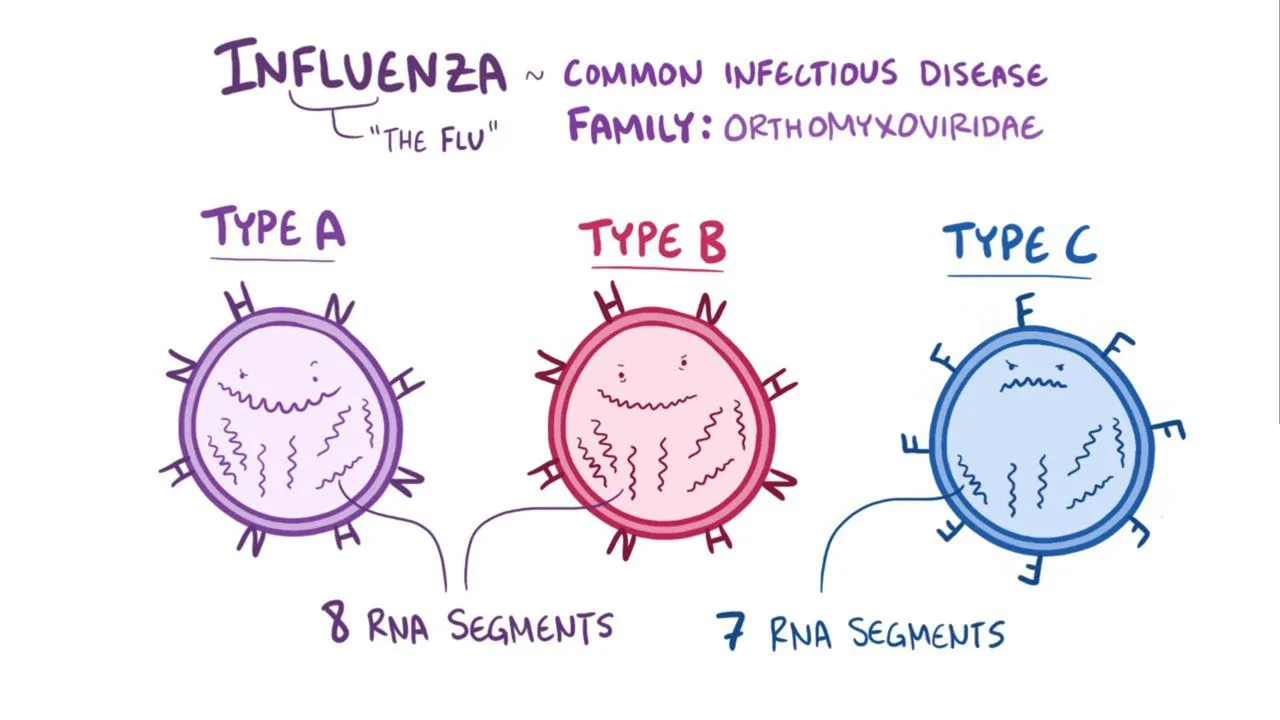
Recent studies published in 'Nature' and 'Science' reveal new mechanisms used by the influenza virus to enhance its lethality by hijacking molecules from infected body cells to facilitate its replication. These discoveries open new avenues for understanding how viruses spread and affect human health.
In the study published in 'Nature', researchers demonstrated how the human influenza virus steals specific molecules from the cells it infects. These molecules are then used to modify the virus's replication mechanism, increasing its ability to spread and cause harm.
Event Details
The study indicates that the virus targets specific molecules known as ribosomes, hijacking them for its replication process. This method is considered one of the clever tricks that viruses employ to survive in hostile environments, making them more lethal.
The other study published in 'Science' focused on the avian influenza virus, revealing a new mechanism that enhances the virus's severity. This mechanism involves complex chemical interactions that increase the virus's ability to infect cells and replicate more rapidly.
Background & Context
The influenza virus is one of the most widespread viruses globally and is a leading cause of respiratory disease-related deaths. Historically, the world has witnessed several influenza pandemics, the most notable being the 1918 influenza pandemic, which claimed millions of lives. A deep understanding of viral replication mechanisms can aid in the development of more effective vaccines and treatments.
Concerns are growing that viruses like influenza may evolve and acquire new traits that make them more dangerous. Therefore, current research plays a vital role in understanding how to combat these viruses.
Impact & Consequences
These discoveries are significant not only from a scientific perspective but also for public health. Understanding how viruses replicate can lead to the development of new strategies to combat viral diseases. Additionally, this research may contribute to improving the effectiveness of currently available vaccines.
Furthermore, these findings could influence global health policies, potentially enhancing research and development efforts in the fields of medicine and biosciences.
Regional Significance
In the Arab region, where respiratory diseases are a major health concern, these discoveries could have a significant impact. A better understanding of the influenza virus can help improve the response of health systems in Arab countries to pandemics.
Moreover, strengthening regional and international collaboration in scientific research can contribute to developing effective strategies to combat viruses, thereby enhancing public health in the region.
Continuous research on the influenza virus and its mechanisms reflects the importance of science in addressing global health challenges. By understanding how these viruses operate, we can take effective steps to protect community health.