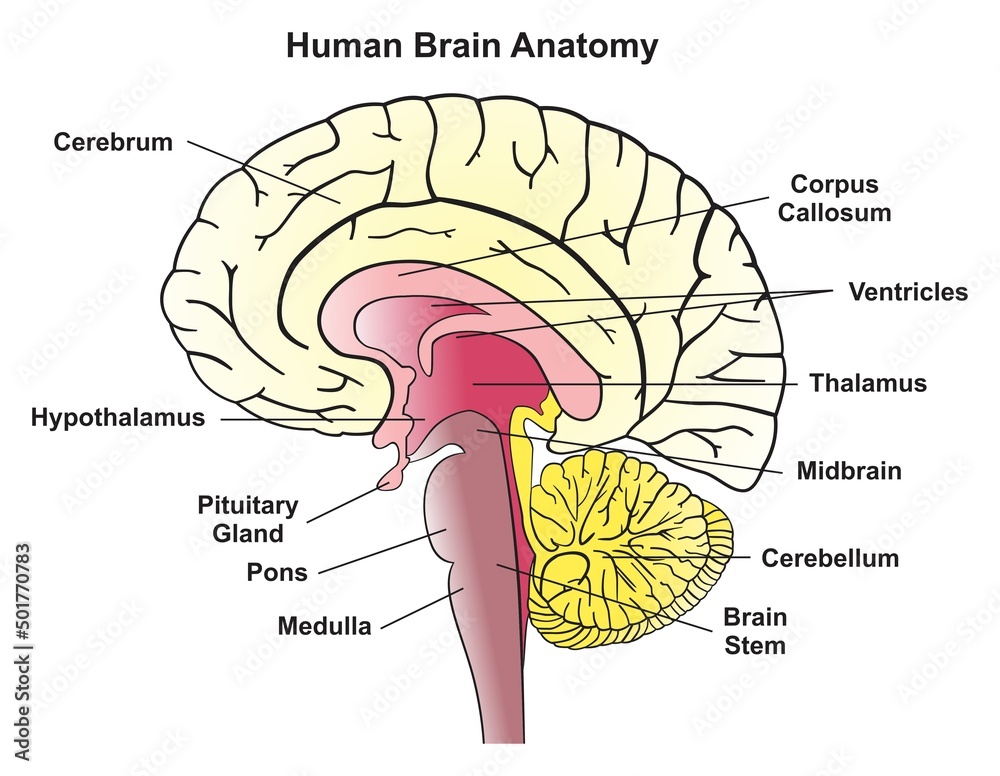
A new study shows that the human brain processes the concept of time through three distinct stages, highlighting how we perceive time and its impact on our daily lives. This research comes at a time of increasing interest in how time influences human behavior and cognitive processes.
The three stages identified by researchers include: the first stage is the perception of immediate time, where the brain can sense the passage of time directly. The second stage relates to time estimation, where the brain evaluates the duration that has passed. The third stage pertains to the mental storage of time, where memories associated with time are retained.
Details of the Study
This study was conducted by a team of researchers at Columbia University, who utilized advanced techniques such as functional magnetic resonance imaging (fMRI) to monitor brain activity during experiments related to time perception. The results showed that each of the three stages requires different activity in specific areas of the brain, highlighting the complexity of how the brain processes time.
These findings are significant for understanding how time affects perception and behavior, and they may open new avenues in the fields of psychology and neuroscience. This study could also assist in developing strategies to enhance cognitive performance in areas such as education and psychotherapy.
Background & Context
Historically, studies on time perception have focused on how external factors such as culture and environment influence the concept of time. However, this study emphasizes the internal processes occurring in the brain, representing a significant advancement in our understanding of this topic.
Previous research has dealt with how time affects memory and learning, but this study offers a new perspective that focuses on how the brain actually processes time. This understanding could have far-reaching implications for how we manage time in our daily lives.
Impact & Consequences
The results derived from this study could lead to improved educational and training methods, as educational programs can be designed to consider how the brain processes time. They may also aid in developing new techniques for treating psychological disorders related to time perception.
Furthermore, these findings could influence how work environments and daily activities are designed, helping individuals enhance their time perception and increase their productivity.
Regional Significance
In the Arab region, these results could contribute to the development of educational and health programs that align with a better understanding of how time is processed. This study could serve as a starting point for further research in psychology and neuroscience in the Arab world.
In conclusion, this research represents an important step towards a deeper understanding of how we perceive time, which may impact many aspects of our daily lives.