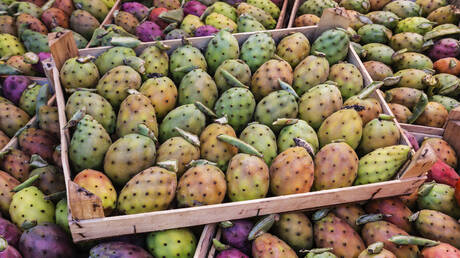
A recent study published in the journal Nutrients highlights that prickly pear fruit contains natural compounds that may help combat metabolic syndrome. These findings reflect the significance of prickly pear as a healthy food choice, making it an ideal option for those looking to improve their health.
Metabolic syndrome is a cluster of disorders that includes obesity, high blood pressure, and elevated blood sugar levels. This condition increases the risk of heart disease and diabetes. Therefore, any discovery that can assist in addressing this syndrome is of great importance.
Study Details
The study conducted by a group of researchers examined the effects of prickly pear on overall health. The results showed that the compounds found in these fruits, such as vitamins and minerals, play a crucial role in improving cholesterol levels and regulating blood sugar.
The researchers also noted that consuming prickly pear may help reduce inflammation, a key factor in the development of metabolic syndrome. These findings support the idea that natural foods can be part of treatment and prevention strategies.
Background & Context
Prickly pear, also known as cactus, is a plant that grows in desert regions and is characterized by its unique appearance and delicious taste. This plant has been used in traditional medicine for centuries, being regarded as a remedy for various ailments.
In recent years, research on the benefits of prickly pear has increased, leading to new discoveries about its health effects. This study comes at a time when concerns about lifestyle-related diseases are on the rise, making it essential to seek natural solutions.
Impact & Consequences
These results represent an important step toward a better understanding of how to improve public health through nutrition. If these benefits are confirmed through further studies, it could lead to new recommendations regarding the inclusion of prickly pear in daily diets.
Moreover, these discoveries could encourage the increased cultivation of prickly pear in areas facing health issues related to nutrition, thereby enhancing food security and public health.
Regional Significance
Prickly pear is part of the culinary heritage in many Arab countries, where it is used in traditional dishes. This study reinforces the importance of this plant in Arab food culture and highlights its health benefits.
With the growing health awareness in the region, incorporating prickly pear into the diet could lead to improved public health and reduced chronic diseases.
In conclusion, this study opens new horizons for understanding the benefits of prickly pear, making it crucial to continue research in this field. Raising awareness of the benefits of natural foods can contribute to improving the quality of life in Arab communities.