A coalition of political forces loyal to the Sudanese government has announced its boycott of the third Berlin Conference, scheduled for mid-April, citing what they described as an imbalance in the invitations extended for participation. These forces indicated that the conference aims to address the humanitarian and political crises in Sudan, but the invitations were issued in a manner lacking balance.
Earlier, the German Foreign Ministry confirmed that it would host a high-level international conference in Berlin to support Sudan on humanitarian and political fronts, coinciding with the three-year anniversary of the outbreak of war in the country. The initiative aims to tackle the largest humanitarian crisis in the world and support civilians affected by the conflict, in addition to bringing Sudanese factions closer together for a comprehensive dialogue to end the crisis.
Event Details
Sources within the African Union revealed that the Union has invited several Sudanese political blocs and civil society representatives to participate in a preparatory forum to be held in Addis Ababa on April 10, to agree on arrangements for a Sudanese meeting on the sidelines of the Berlin Conference. The forum will be sponsored by the Quintet mechanism, which includes the African Union, the United Nations, the European Union, the Arab League, and the Intergovernmental Authority on Development (IGAD).
The head of the National Forces Coordination, Mohamed Said Ahmed Al-Jakoumi, confirmed that the decision to boycott came after observations regarding the imbalance in the invitations, as influential forces and figures from Sufi orders, tribal, community, youth, and women leaders were excluded. He noted that they had informed the African mechanism of their observations weeks ago, prompting them to decide on the boycott unless the representation was corrected.
Context and Background
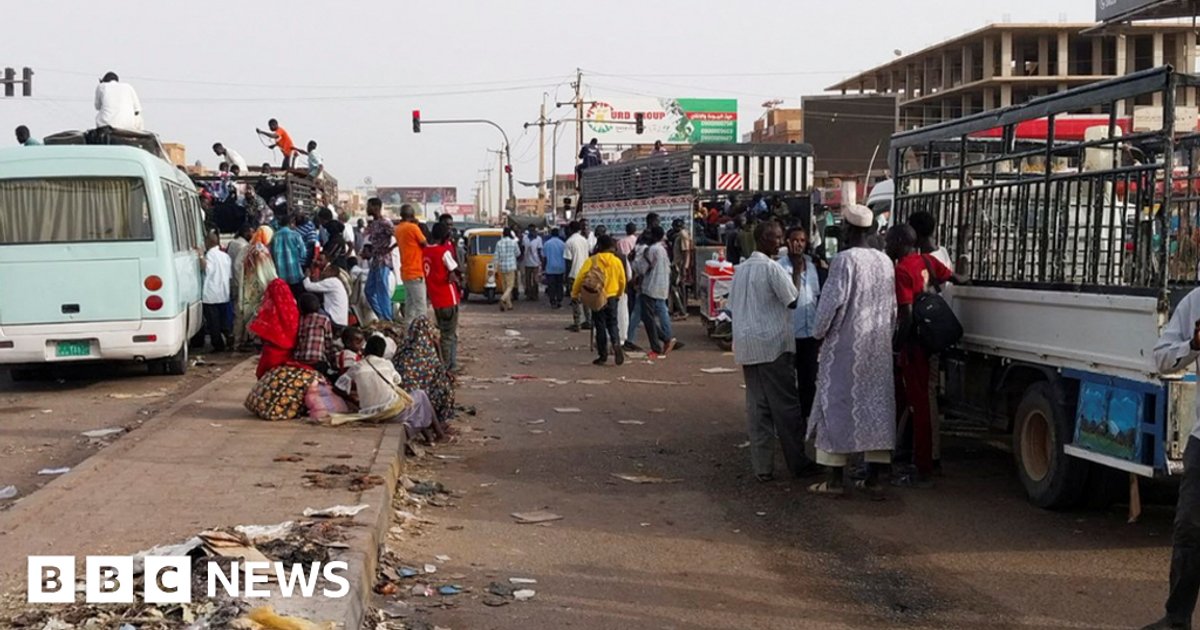
These developments come at a time when Sudan is suffering from increasing humanitarian and political crises, having witnessed internal conflicts that have led to the displacement of millions and rising rates of poverty and hunger. The first Berlin Conference was held in Paris in 2024, while the second was in London in 2025, where financial aid was pledged to support those affected, but the commitment did not exceed 25% of the pledges.
The "Sumud" alliance, which participated in the previous two editions, welcomed Berlin's invitation and announced its participation, while the Central Committee of the National Professionals' Gathering announced its boycott of the conference, citing the deviation of the Quintet mechanism from its role as a neutral mediator. The Central Committee also accused the mechanism of interfering in determining the course of the conference and selecting participants.
Impact and Consequences
The boycott of the conference by political forces may negatively affect the chances of reaching political solutions to the Sudanese crisis. While the German government and the international community seek to provide support, the absence of key forces could weaken the effectiveness of the conference and exacerbate the humanitarian and political situations in the country.
On the other hand, the Sudanese diaspora group (Sada) announced its rejection of any international arrangements that exceed national sovereignty, warning against attempts to impose external agendas through the Berlin Conference. These positions reflect an increasing concern about foreign interventions in Sudan's internal affairs.
Impact on the Arab Region
The crises in Sudan are part of a broader landscape of challenges facing the Arab region, where internal conflicts and political divisions are on the rise. Instability in Sudan could affect the regional neighborhood, necessitating greater international attention to resolve the crisis.
In conclusion, it appears that the third Berlin Conference faces significant challenges in achieving its objectives, especially in light of the boycott by major political forces. Addressing the humanitarian and political crises in Sudan requires genuine national consensus, which remains contingent upon the will of the Sudanese people themselves.