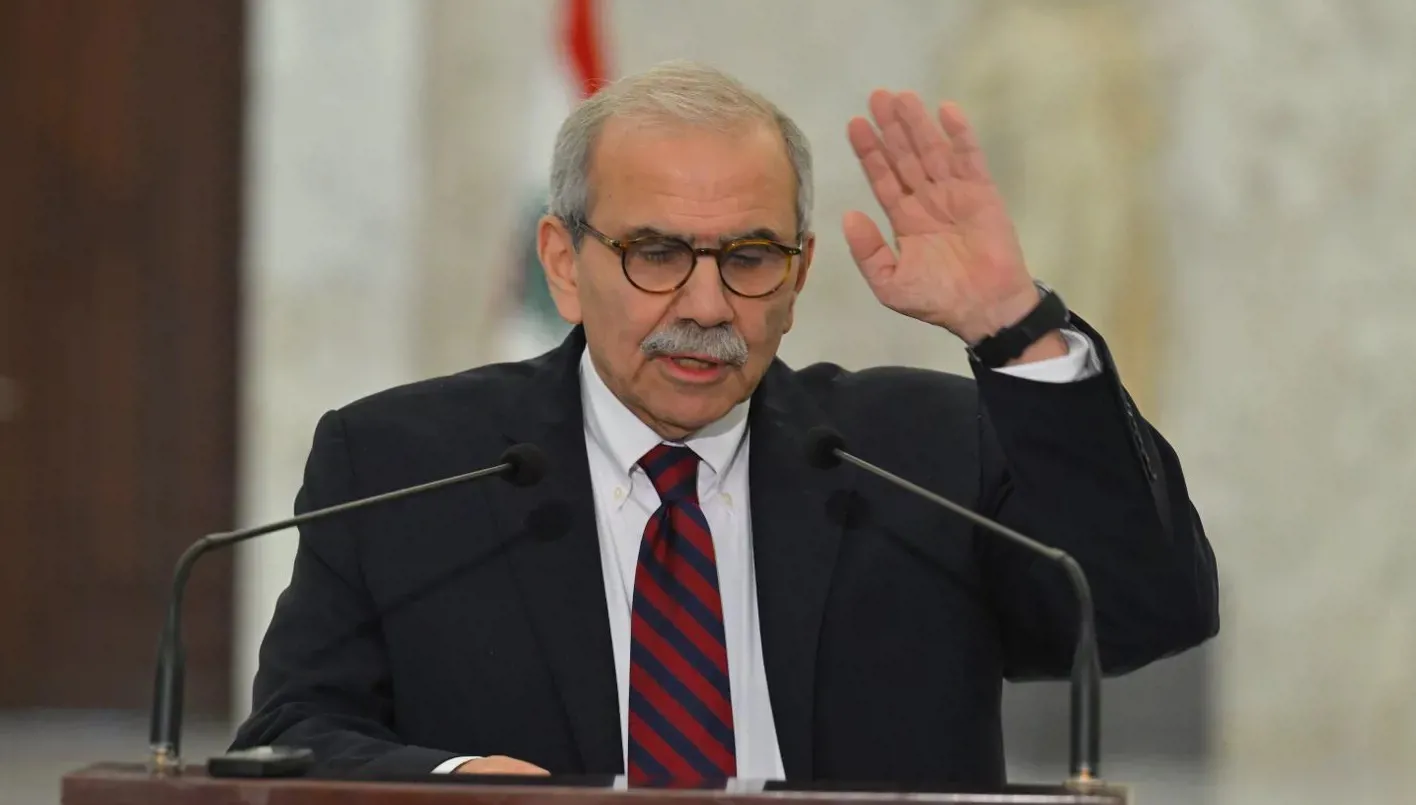
Iraqi Prime Minister Muhammad Shia al-Sudani recently stated that the power to make decisions regarding peace and war is exclusively the state's prerogative. This affirmation comes at a time when the country is witnessing an increase in armed activities from certain groups that seek to bypass legal frameworks and official declarations.
Al-Sudani, who has been in office since October 2022, directly criticized these groups, noting that they have "taken it upon themselves" to make decisions concerning security and peace, which could reflect a dysfunction in the institutional and security systems of the country. He also called for the necessity of limiting these decisions to official state institutions to ensure security and stability in Iraq.
These statements come amid growing concerns over the security situation and military operations in certain areas. Iraq has recently seen a rise in armed attacks, particularly from unofficial armed groups rooted in the chaos following 2003. This requires urgent government action to strengthen security authority and protect citizens.
In this context, al-Sudani's confirmation of the state's priority in making war and peace decisions is not just an incidental remark. It reflects a comprehensive vision to rebuild trust between the government and the people. After years of internal and external conflicts, Iraq needs to restore the state's dignity and its ability to protect its citizens.
This step is an attempt to centralize the political process in Iraq, where al-Sudani has prioritized state institutions in making sensitive decisions. This aligns with modern global trends emphasizing the need for accountable and transparent leadership in all matters concerning national security and foreign policy.
Al-Sudani's affirmation seems consistent with the efforts of many Arab countries seeking to control violence and chaos that could threaten their stability. The lessons learned from the experiences in the region, especially in Syria and Libya, emphasize the necessity of making strong decisions that redefine the role of the state and affirm its sovereignty.
In conclusion, al-Sudani called for building bridges of trust between the government and citizens, stressing that restoring security requires everyone's cooperation for a safe and prosperous Iraq.
This statement could have a positive impact on Iraq's international relations, as al-Sudani seeks to rebuild relationships with neighboring countries, contributing to economic stability and investment. Countries interested in Iraq have a significant opportunity to cooperate in security and economic fields, which could help stabilize the region as a whole.
In this vein, the Iraqi government is working to improve its security plans and reevaluate its strategies in combating terrorism and its repercussions by enhancing cooperation and partnership with regional and international countries.
The importance of these statements lies in al-Sudani's efforts to implement a comprehensive vision for internal security and reinforce the political will necessary to maintain state control and achieve peace and stability.
Moreover, the importance of this affirmation is highlighted by the adverse conditions faced by some neighboring countries, making Iraq a vital center for reshaping security and political frameworks in the region, especially if it can control surrounding factors that might hinder its developmental journey.